
Addiction Treatment Centers in Arizona
518 verified treatment centers in Arizona
- Verified & accredited centers
- Confidential & free
- 24/7 support available
Find treatment near you in Arizona
Enter your ZIP to see the nearest verified centers in Arizona, sorted by distance — or browse by county below.
Arizona is a state rich in opportunities for those seeking recovery from addiction, with Addiction Treatment Services offering a comprehensive directory of facilities across the region. Our platform provides access to numerous addiction rehab centers dedicated to helping you find balance and recovery. With coverage throughout major cities like Phoenix, Tucson, Mesa, and Scottsdale, our directory simplifies the process of finding the right care, whether it's for alcohol addiction, drug dependency, or holistic therapies tailored to individual needs.
Addiction treatment in Arizona encompasses a variety of services, from personalized therapy and dual diagnosis programs to specialty recovery solutions. Our directory ensures that you have access to a diverse range of care levels, including outpatient services and residential treatment options. These facilities often focus on treating the whole person, addressing both the physical and emotional aspects of addiction. Furthermore, we help you explore options that align with your specific healthcare coverage.
At Addiction Treatment Services, we believe in empowering you on your journey to recovery by providing easy access to detailed information and trustworthy rehab facility listings. Let Arizona be the place where your recovery journey begins, transforming life's challenges into extraordinary opportunities for change and growth.
Arizona Treatment Centers by County
Explore addiction treatment across all 15 counties in Arizona.
Browse Arizona Cities
Find addiction treatment centers in cities and towns across Arizona
Featured Treatment Centers in Arizona
Verified facilities offering evidence-based treatment programs

SAGE Counseling Inc
Phoenix, Arizona
Medicaid
Salt River Pima-maricopa Indian Community
Scottsdale, Arizona
Rock View Recovery I, LLC
Phoenix, Arizona
Rivyve Behavioral Health, INC.
Kingman, Arizona
Reintegration Provider Services
Phoenix, Arizona
Reboot Detox Az LLC
Mesa, Arizona
Ready For Life LLC
Phoenix, Arizona
Rachels Foundation INC
Tucson, Arizona
Push Wellness LLC
Phoenix, Arizona
Progressive Living, LLC
Phoenix, Arizona
Prescott Recovery Services LLC
Prescott, Arizona
Perfect Paradise LLC
Maricopa, Arizona
Paramount Recovery Services, LLC
Prescott, Arizona
Paradise Creek Homes
San Tan Valley, Arizona
Northwest Organization For Voluntary Alternatives
Glendale, Arizona
Nirvana Recovery LLC
Phoenix, Arizona
Nirvana Recovery LLC
Phoenix, Arizona
Nexus Academy
Cave Creek, Arizona
State License accredited
New Revive House, LLC
Maricopa, Arizona
New Merveille LLC
Phoenix, Arizona
Neema LLC
Tucson, Arizona
National Community Builders LLC
Surprise, Arizona
Motherland Counseling, LLC
Phoenix, Arizona
More For More
Tucson, Arizona
Mogollon Treatment Center
Phoenix, Arizona
Mindvista LLC
Phoenix, Arizona
Milestone Recovery. LLC
Phoenix, Arizona
Medicine Man INC
Scottsdale, Arizona
Medical Billing Resources LLC
Glendale, Arizona
Maya Therapy Center LLC
Glendale, Arizona
Maiden Voyage LLC
Tucson, Arizona
State License accredited
Lyons Concept LLC
Maricopa, Arizona
Lodge At Sedona, LLC
Sedona, Arizona
Living Hope Arcadia LLC
Tolleson, Arizona
Light House Group Home LLC
Mesa, Arizona
Life Transformation Recovery
Prescott Valley, Arizona
Ivy Home Care LLC
Laveen, Arizona
In Balance Ranch Academy , INC.
Huachuca City, Arizona
Horizon Recovery Arrowhead LLC
Glendale, Arizona
Horizon Recovery 91st Dr LLC
Peoria, Arizona
Hope Light Care Homes , LLC
Phoenix, Arizona
Hope And Compassion Living Programs
Avondale, Arizona
Home Of Purpose Empowerment LLC
Phoenix, Arizona
Riverbend Residential
Tucson, Arizona
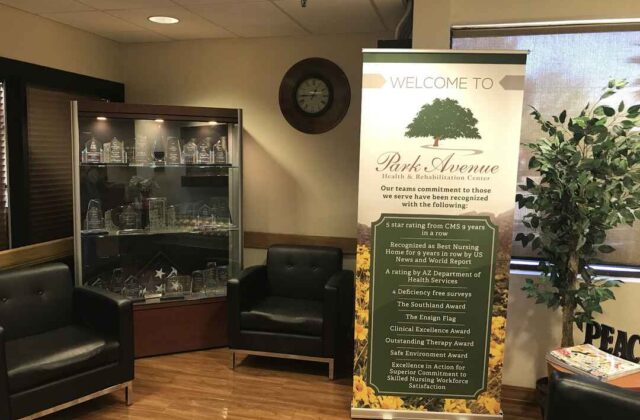
Park Avenue Health and Rehabilitation
Tucson, Arizona
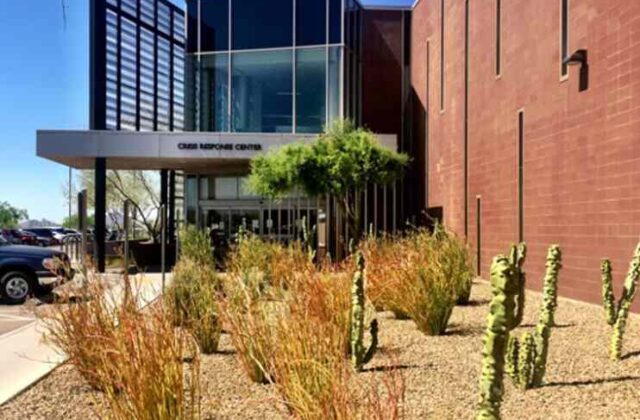
Connections Health Solutions – Crisis Response Center
Tucson, Arizona
the SOBER Project
Tucson, Arizona
the SOBER Project
Tucson, Arizona
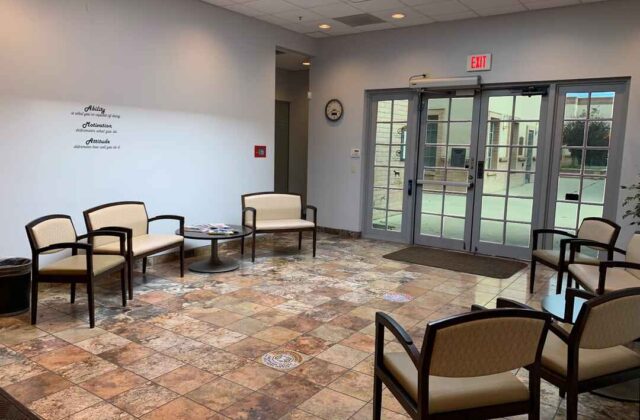
New Oasis Group Residential Behavioral Facility
Tucson, Arizona
Addiction Treatment in Arizona
Two things decide what treatment actually looks like in Arizona: who is licensed to provide it, and who pays for it. Both are governed at state level, which is why the same insurance plan, the same diagnosis and the same level of care can produce very different options a few hundred miles apart. The sections below cover how to check a provider here, how treatment is usually paid for, and what to do if the program you want has a waitlist.
What a treatment license in Arizona means — and how to check it
Every state licenses substance use disorder treatment providers through a health department or behavioral health authority, and the license is specific: it names the services a provider may deliver — medically monitored detox, residential treatment, partial hospitalization, intensive outpatient, opioid treatment — and the physical address at which it may deliver them. A facility can be legitimately licensed for outpatient counseling at one site and have no authority to run detox at another.
Accreditation is a separate, voluntary check, granted by bodies such as The Joint Commission and CARF International after an external survey against a published standard. It is verifiable in each accreditor's own directory rather than by the badge on a website — our guide to accreditation explains what each body inspects. Opioid treatment programs dispensing methadone carry an additional federal layer: they must be SAMHSA-certified and DEA-registered, which is why methadone cannot simply be prescribed at a general outpatient clinic while buprenorphine can be prescribed by any practitioner holding a standard DEA registration.
Ask the program Ask for the license number, then look it up on the state agency's public register, which also shows status and any disciplinary history.
Paying for treatment in Arizona
Medicaid is the largest single payer for addiction treatment in the United States, and it is administered state by state. Whether a state expanded Medicaid eligibility under the Affordable Care Act, which services its program covers, and what the income thresholds are all vary — so eligibility is worth checking directly with the state Medicaid agency even if you have been told you do not qualify in the past, because both the rules and your circumstances change. Every state also receives federal Substance Abuse Prevention and Treatment block grant funding, which supports no-cost and reduced-cost programs at community providers; those programs are consistently underused because people assume they do not exist.
If you have commercial insurance, federal parity rules require a plan that covers mental health and substance use benefits to apply no more restrictive financial requirements or treatment limitations to them than it applies to comparable medical and surgical care — that covers deductibles and copays as well as prior authorisation and concurrent review. Our insurance guide covers verification and network status, and the payment options guide covers sliding-scale fees, state-funded care and self-pay.
If the program you want has a waitlist
Waiting lists are common, particularly for residential beds and for publicly funded programs, and the gap between deciding to get help and starting treatment is where people most often fall away. Ask to be placed on more than one list at once; ask whether the provider offers interim services — an outpatient group, a bridge prescription of buprenorphine, or a weekly check-in — while you wait; and widen the search geographically before you widen it downward in level of care.
Federally qualified health centers can often start medication and counseling within days on a sliding scale.
If withdrawal is medically risky Particularly from alcohol or benzodiazepines, an emergency department is the right route rather than a waitlist.
Where most Arizona listings are
These are the Arizona cities with the most listed programs. Metropolitan areas generally carry a wider range of levels of care, while rural areas more often rely on outpatient providers and telehealth — so if you live outside a city, check the nearest metro as well as your own town.
Crisis & Recovery Resources in Arizona
Trusted, confidential support for Arizona — available 24/7, whether or not you are ready for treatment yet.
Frequently Asked Questions About Treatment in Arizona
In Arizona, you can find a wide array of addiction treatment services catering to different needs. These include detox programs, inpatient and outpatient rehabilitation, therapy sessions, and specialized programs such as dual diagnosis for co-occurring disorders. Many facilities also offer holistic treatments, enabling a comprehensive approach to recovery by addressing the physical, mental, and emotional aspects of addiction.
Choosing the right rehab center involves considering factors such as the type of addiction treatment you need, the level of care required, facility accreditations, and your budget or insurance coverage. Addiction Treatment Services provides a directory that includes detailed information on rehab centers across Arizona to help you make an informed decision. It's also beneficial to consult with healthcare professionals who can give personalized recommendations.
Yes, many rehab centers in Arizona accept various types of insurance to help cover the costs of addiction treatment. It's important to verify insurance coverage directly with the rehab facility to understand what treatments and services are covered. Addiction Treatment Services can assist in navigating these options and directing you to facilities that match your insurance plan.
Absolutely, several rehab centers in Arizona specialize in dual diagnosis treatment, which addresses both substance use disorders and co-occurring mental health issues. This integrated approach is crucial for individuals dealing with complex conditions, ensuring that both aspects of their health are considered during treatment. Addiction Treatment Services can connect you with facilities that provide such comprehensive care.
The success rate of addiction treatment in Arizona varies depending on several factors, including the type of treatment program, individual commitment, and aftercare support. Many facilities report success rates ranging from 40 to 60 percent for long-term sobriety. However, success is personal and varies based on each individual's journey and the support systems they have in place post-treatment. Addiction Treatment Services can guide you to facilities with proven track records and supportive environments.
Ask the facility for its license number and the exact address the license covers, then look it up on the state health or behavioral health authority's public register. The register shows the license status, the specific services authorised — detox, residential, outpatient, opioid treatment — and any disciplinary history. Accreditation by The Joint Commission or CARF is a separate, voluntary check and should be verified in the accreditor's own directory rather than by a logo on a website.
Medicaid is the largest single payer for addiction treatment nationally, but it is administered state by state: eligibility thresholds, which services are covered and how prior authorisation works all differ. Check eligibility directly with the state Medicaid agency rather than assuming, including if you were found ineligible in the past — rules and personal circumstances both change. Many providers also have staff whose job is to help with the application.
No-cost and reduced-cost options exist in every state and are widely underused. Federal Substance Abuse Prevention and Treatment block grant funding supports publicly funded programs; federally qualified health centers provide outpatient counseling and buprenorphine on a sliding scale based on income; and many nonprofit providers operate their own sliding scales. The SAMHSA National Helpline can point you to funded programs in your area at no cost, 24 hours a day.
Yes. There is no residency requirement for private treatment, and distance from a using environment helps some people. The considerations are cost, since out-of-network care is usually more expensive; family involvement, which predicts retention and is harder at distance; and continuing care, which has to be arranged where you live. Publicly funded and Medicaid-covered programs are the exception — those are generally tied to the state that funds them.