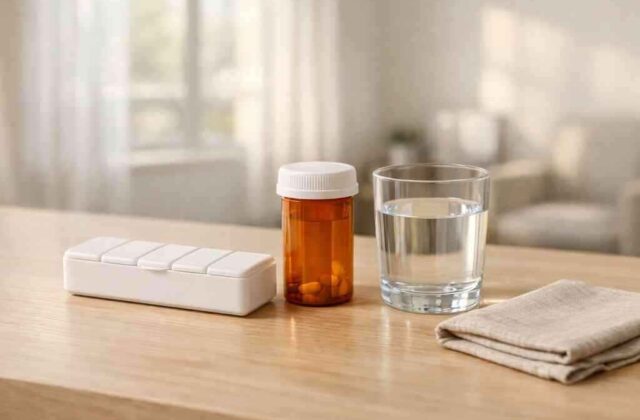


The right medication-assisted treatment for opioid addiction is the one that matches your withdrawal pattern, relapse risk, medical history, mental health needs, and the level of care you can realistically stick with. Suboxone, methadone, and Vivitrol are not interchangeable, and the best choice depends on the person, not just the diagnosis.
If you are reading this while feeling overwhelmed, that makes sense. This part is genuinely confusing for most people, especially when cravings, fear of withdrawal, and pressure to pick something quickly are all happening at once.
Key Takeaways
- Suboxone, methadone, and Vivitrol work differently, so the safest choice depends on opioid use history, withdrawal risk, and treatment setting.
- Medication-assisted treatment often works best after a real addiction assessment, not as a standalone decision made in a rush.
- Medical detox for opioids may come before MAT if withdrawal symptoms are severe or the person needs stabilization first.
- ASAM criteria and levels of care help determine whether outpatient, IOP, PHP, residential treatment, or inpatient rehab should come first.
- Dual diagnosis and psychiatric support can change the medication plan, especially when co-occurring disorders, trauma, anxiety, or depression are part of the picture.
When opioid recovery feels stuck, which MAT option actually fits the person, not just the diagnosis
The best MAT choice depends on how your body responds to opioids, how severe the cravings are, whether you still have withdrawal symptoms from opioids, and whether you need structure beyond medication. For many people, Suboxone treatment, methadone maintenance treatment, or Vivitrol for opioid use disorder each solves a different problem, and the wrong fit can make recovery harder to sustain.
Why Suboxone, methadone, and Vivitrol are not interchangeable choices in opioid use disorder treatment
Suboxone, methadone, and Vivitrol serve different roles in opioid recovery support. Suboxone contains buprenorphine and naloxone, methadone is a full opioid agonist used in highly structured treatment, and Vivitrol is naltrexone, an opioid blocker that requires a fully detoxed system before starting. The medication choice changes based on whether you need cravings management in recovery, supervised stabilization, or relapse prevention after detox.
You don't have to figure this out alone.
Speak with a caring specialist now — we'll verify your insurance, answer your questions, and find the right program near you. Free, 100% confidential, and no pressure, 24/7.
Call 1-888-685-2199Verify your insurance →Here is the practical difference I explain most often:
MedicationBest fitKey considerationsSuboxoneMany people with opioid use disorder who want office-based careCan reduce cravings and withdrawal, but timing matters if opioids are still in the systemMethadonePeople with severe opioid addiction, high tolerance, or repeated relapseUsually requires more structure and daily clinic-based careVivitrolPeople who have completed detox and want naltrexone for relapse preventionMust be opioid-free before the first injectionI usually tell families that this is not about a “stronger” or “weaker” medication. It is about matching the medication to the pattern of use. Someone with fentanyl addiction treatment needs may need a very different plan than someone recovering from prescription drug addiction. That is why a true MAT comparison guide starts with the person’s history, not the prescription pad.
On a recent call, a parent told me her son had tried to quit heroin three times and kept crashing on day three or four. He did not need a pep talk. He needed opioid withdrawal management, a safe level of care, and a medication plan that fit real life, not an idealized one. That is where the clinical work starts.
What opioid withdrawal management, cravings, and relapse prevention look like before medication is even selected
Before choosing MAT, clinicians should look at detox symptoms, current opioid exposure, and relapse warning signs. If the person is sweating, vomiting, unable to sleep, panicking, or using again to avoid withdrawal, the first step may be medical detox for opioids or another stabilization setting. The medication decision comes after the body is safer and the history is clearer.
A solid first-pass assessment usually includes:
- Withdrawal severity and whether symptoms are mild, moderate, or severe
- Recent opioid use, including fentanyl, heroin, and pain medications
- Overdose risk and prior relapse patterns
- Psychiatric symptoms that may complicate treatment
- Home support, work demands, and transportation
- Willingness for daily or weekly structure
Here is what almost no online guide mentions clearly: naltrexone for relapse prevention only works when the person can complete detox first. If the body is not fully opioid-free, Vivitrol can trigger sudden withdrawal. That is why the question is never just “Which medication is best?” It is “What can the person safely start now?”
For general withdrawal education, I often point people to Signs of Withdrawal so they can recognize symptoms without guessing. And for a broader overview of treatment types, our treatments for opioid addiction page can help you see how detox, medication, and therapy fit together.
The decision map that turns a MAT comparison guide into a real treatment plan
A real MAT plan is built from addiction assessment, ASAM criteria, and the right level of care. In practice, that means medication choice follows the treatment setting, not the other way around. For some people, outpatient care is enough; for others, inpatient rehab or residential treatment has to come first.
How addiction assessment, ASAM criteria, and levels of care shape whether outpatient program, IOP, PHP, or inpatient rehab comes first
ASAM criteria help determine whether you need outpatient support, IOP, PHP, residential treatment, or inpatient rehab before or alongside MAT. A person with manageable withdrawal and a stable home may do well in an outpatient program or an intensive outpatient program for recovery with medication management. Someone with heavy use, repeated relapse, or unsafe housing may need inpatient rehab for opioid addiction or residential treatment for opioid recovery first. A simple way to think about it: 
- Medical detox if withdrawal is active and destabilizing.
- Inpatient rehab or residential treatment if the environment is unsafe or relapse risk is high.
- PHP for substance use disorder if the person needs long clinical days but can sleep at home safely.
- IOP with medication management if the person can function at home but needs frequent support.
- Outpatient program for MAT if the situation is stable and the person can attend reliably.
A good fit is not only about medication access. It is about what the person can realistically sustain. Someone in a demanding job may need an outpatient program or IOP. Someone with a chaotic home environment may need more structure first. That is why “addiction treatment near me” should really mean “the right level of care near me.”
If you want a broader guide to matching care levels, our outpatient and recovery guide can help you compare options without getting lost in the jargon.
Why dual diagnosis, co-occurring disorders, and psychiatric support can change the medication choice as much as the opioid history
Dual diagnosis and co-occurring disorders can change MAT selection because untreated depression, anxiety, PTSD, or bipolar symptoms can drive relapse. If opioid use is tied to sleep problems, panic, trauma, or mood instability, the treatment team may prioritize psychiatric support in recovery alongside medication and therapy. In some cases, that makes a more structured program the safer starting point.
I have seen people do everything “right” on paper and still struggle because the real issue was untreated trauma. A patient may need EMDR therapy for trauma and addiction, dialectical behavior therapy in addiction treatment, or cognitive behavioral therapy for relapse prevention before they can use medication consistently. Group therapy for recovery support and individual counseling for opioid addiction also matter, because MAT works better when the emotional drivers of use are being treated too.
For people who need a mental health screening before treatment, the NAMI overview is a solid starting point, and the American Psychiatric Association offers reliable patient education on mental health care. If co-occurring disorders are in the picture, I usually say do not separate “addiction treatment” from “mental health treatment.” They are part of the same plan.
What to ask before you commit so the plan can survive real life, not just the first week
The right MAT plan has to fit your schedule, finances, transportation, and support system. If a program is clinically sound but impossible to attend, it will not hold. Before you enroll, ask how insurance, visit frequency, counseling, and aftercare planning will work in daily life.
How to compare access, insurance for addiction treatment, in-network rehab, and paying for rehab without guessing
You should compare insurance for addiction treatment, in-network rehab options, and out-of-pocket costs before starting care. Ask whether the program accepts your plan, what services are covered, and whether medication, testing, therapy, and case management bill separately. If coverage is unclear, ask for a benefits review before you commit.
A quick checklist helps:
- Confirm whether the program is in-network or out-of-network
- Ask about medical detox, MAT visits, and counseling coverage
- Check whether IOP or PHP is covered at the same rate as standard outpatient care
- Ask about pharmacy coverage for Suboxone, methadone, or Vivitrol
- Request a written estimate for paying for rehab if insurance is limited
If you are comparing programs, it helps to ask directly how often you will need to travel and whether the plan includes aftercare planning, sober living, or transitional housing. We see people get stuck when the first week looks manageable but the monthly logistics do not. That is why I encourage families to compare the whole package, not just the headline service.
If you want help sorting through verified options, Addiction Treatment Services can be a practical place to start because we help people compare treatment programs and insurance coverage without sending them into a maze of unrelated listings. You can also use our MAT comparison guide if you want a clearer side-by-side view before making calls.
A few additional supports often belong in the plan too: 12-step programs, SMART Recovery for substance use disorder, family therapy in addiction recovery, sober living after rehab, and relapse prevention planning. For people who need extra recovery structure, peer support can make the medication plan easier to sustain. I have watched that combination matter just as much as the prescription itself.
If you need help finding a trusted program, start with one concrete step today: call 18886852199 for confidential support from Addiction Treatment Services. You do not have to sort through MAT options alone, and you do not have to get every decision right at once.
Frequently Asked Questions
Question: How do I choose between medication-assisted treatment for opioid addiction options like Suboxone, methadone, and Vivitrol?
Answer: The best choice depends on your opioid use history, current withdrawal symptoms from opioids, relapse risk, and what kind of structure you can realistically follow. Suboxone treatment may fit people who want office-based care and help with cravings management in recovery. Methadone maintenance treatment is often considered when opioid addiction is severe, tolerance is high, or more supervision is needed. Vivitrol for opioid use disorder is usually considered after detox, since naltrexone for relapse prevention requires the body to be fully opioid-free before the first dose. Addiction Treatment Services can help you compare these medication-assisted treatment for opioid addiction options and understand how they fit into a broader medication-assisted recovery plan, including medical detox for opioids, outpatient program for MAT, or higher levels of care when needed.
Question: How does addiction assessment and ASAM criteria help determine the right level of care for opioid recovery?
Answer: A proper addiction assessment looks at withdrawal severity, recent opioid use, mental health needs, relapse warning signs, home stability, and whether the person can safely participate in treatment. ASAM criteria then help match that information to the right level of care, such as an outpatient program, intensive outpatient program for recovery, partial hospitalization program for addiction, inpatient rehab for opioid addiction, or residential treatment for opioid recovery. This matters because medication-assisted treatment is most effective when it matches the treatment setting. For example, someone with severe detox symptoms and unstable housing may need medical detox and residential treatment first, while someone with a stable home may do well in an IOP with medication management. Addiction Treatment Services helps people find drug rehab for opioid addiction that fits their real-life needs, not just a diagnosis.
Question: What should I know if I need dual diagnosis support along with MAT for opioid use disorder treatment?
Answer: If depression, anxiety, trauma, PTSD, or another mental health concern is part of the picture, dual diagnosis and co-occurring disorders treatment can be a critical part of recovery. Untreated mental health symptoms can make cravings worse and increase relapse risk, so psychiatric support in recovery may influence which MAT option is best and what therapy services should be included. Many people benefit from cognitive behavioral therapy for relapse prevention, dialectical behavior therapy in addiction treatment, EMDR therapy for trauma and addiction, group therapy for recovery support, and individual counseling for opioid addiction. Addiction Treatment Services can help you find programs that address substance use disorder and mental health together, so your recovery plan is more complete and more sustainable.
Question: How can Addiction Treatment Services help with insurance for addiction treatment and paying for rehab?
Answer: We understand that cost is one of the biggest barriers to getting help. That is why Addiction Treatment Services helps people compare insurance for addiction treatment, in-network rehab options, and programs that may fit different budgets. Before starting care, it is smart to ask whether medical detox, MAT visits, therapy, testing, and aftercare planning are covered, and whether medications like Suboxone, methadone, or Vivitrol are included under your plan. If coverage is limited, you can also ask about paying for rehab, payment arrangements, or programs that offer more flexible levels of care. Our goal is to make it easier to find addiction treatment near me without the confusion, so you can focus on recovery support instead of paperwork alone.
Question: How do I know whether outpatient program, IOP, PHP, or inpatient rehab is the right choice for opioid recovery support?
Answer: The right option depends on how much support you need right now and how stable your environment is. An outpatient program for MAT may be enough if withdrawal is mild and you have reliable transportation and support at home. An intensive outpatient program or IOP with medication management can be a strong fit when you need frequent counseling and structure but do not need overnight care. A partial hospitalization program for substance use disorder, or PHP, can help when someone needs a lot of daytime support but can safely sleep at home. Inpatient rehab for opioid addiction or residential treatment for opioid recovery may be better when relapse risk is high, the home environment is unsafe, or withdrawal management requires more supervision. Addiction Treatment Services helps people compare these levels of care so they can choose a plan that supports long-term relapse prevention, aftercare planning, and the kind of recovery structure they can actually maintain.