
Addiction Treatment Centers in Augusta, West Virginia
30 verified treatment centers near Augusta, West Virginia
- Verified & accredited centers
- Confidential & free
- 24/7 support available
Treatment Centers in Augusta
Showing 30 of 30 centers
Burlington United Methodist Family Services
Burlington, West Virginia 15.4 mi
Medicaid

Recovery Care
Keyser, West Virginia 21.5 mi
Potomac Highlands Guild
Moorefield, West Virginia 22.3 mi
Accepts 6 insurance plans
Cityreach Cumberland Men’s Hope Home
Cumberland, Maryland 23.7 mi
Villa Maria of Mountain Maryland
Cumberland, Maryland 24.4 mi
Financial Aid
Allegany County Health Department
Cumberland, Maryland 24.8 mi
Financial Aid
Northwestern Community Services Board – Amherst Clinic
Winchester, Virginia 25.5 mi
Medicaid
Alternative Drug and Alcohol Counseling – ADAC
Cumberland, Maryland 25.6 mi
Financial Aid
Martinsburg VA Medical Center – Cumberland CBOC
Cumberland, Maryland 25.6 mi
Joint Commission accredited
Financial Aid
Allegany County Health Department – Joseph S. Massie Unit
Cumberland, Maryland 25.7 mi
Medicaid

VAMED Health Group LLC
Winchester, Virginia 25.9 mi
Medicaid
Lord Fairfax Community
Winchester, Virginia 26.3 mi
Accepts 5 insurance plans
On the Mark Recovery Plus
Winchester, Virginia 26.4 mi
Self-Pay Options
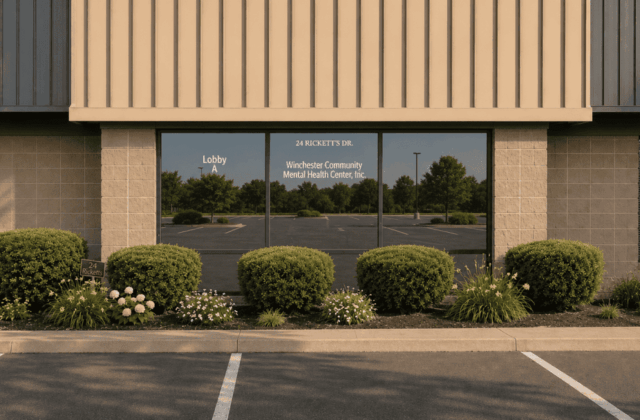
Winchester Community Mental Health Center
Winchester, Virginia 26.4 mi
Accepts 7 insurance plans
Northwestern Community Services
Winchester, Virginia 26.4 mi
SAMHSA accredited
Accepts 6 insurance plans
Martinsburg VA Medical Center – Stephens City CBOC
Winchester, Virginia 26.4 mi
Accepts 1 insurance plan
Oxford House
Winchester, Virginia 26.4 mi
Northwestern Community Services – Community House
Winchester, Virginia 26.5 mi
Edge Hill Retreat Center
Winchester, Virginia 26.7 mi
Self-Pay Options
Western Maryland Recovery Services
Cumberland, Maryland 27.2 mi
Financial Aid

Atlas Counseling Center
Winchester, Virginia 28 mi
Self-Pay Options
Eastridge Health Systems
Berkeley Springs, West Virginia 30.1 mi
Accepts 6 insurance plans
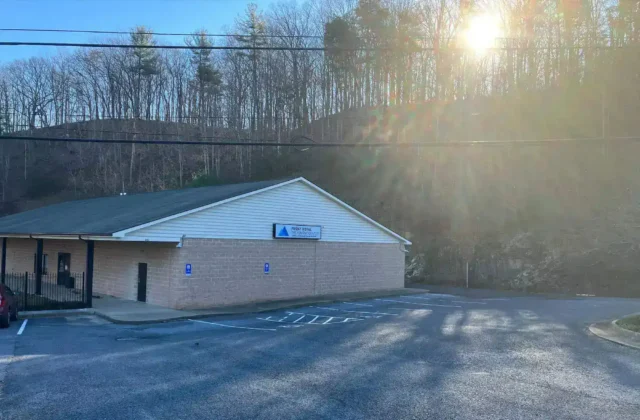
Martinsburg VAMC – Petersburg CBOC
Arthur, West Virginia 33.1 mi
Joint Commission accredited
Financial Aid
Treatment Access Near Augusta
Augusta is within reach of 55 verified treatment centers within 50 miles, 8 of them within a 25-mile drive. The closest is Potomac Highlands MH Guild Inc in Romney, about 7 miles away.
Closest centers to Augusta
- Potomac Highlands MH Guild Inc · Romney 7 miles
- Burlington United Methodist Family Services · West Virginia 15 miles
- Timber Ridge School · Cross Junction 18 miles
- Recovery Care · Keyser 22 miles
- Potomac Highlands Guild · Moorefield 22 miles
Nearby communities with listed centers include Romney, West Virginia, Cross Junction, Keyser, Moorefield, and Cumberland — if nothing in Augusta fits, these are the next closest options.
Treatment Near Augusta
The towns and cities closest to Augusta — compare programs a short drive away.
Finding Treatment in Augusta, West Virginia
Around Augusta there is a working but finite set of options — about 8 verified centers within 25 miles, the closest roughly 7 miles away. That usually covers the main levels of care locally, though a specific track may still mean looking to the nearest larger city. Decide which level of care you need first; it narrows the list fastest.
Staying local versus travelling for treatment
Some levels of care are inherently local: outpatient, intensive outpatient and partial hospitalization all require attending several times a week, so anything beyond a manageable drive tends to end in missed sessions. Methadone for opioid use disorder is similar at first — dispensed only at certified clinics, often daily — while buprenorphine can be filled at any pharmacy and travels far better.
Residential and inpatient care is where travelling genuinely becomes an option — distance from a using network can help, and specialty programs are unevenly distributed, so the right track may not exist near Augusta. Weigh that against higher out-of-network costs, family involvement (which predicts retention and is harder at a distance), and aftercare, which has to happen where you live. Our levels-of-care guide breaks down which setting fits which need.
If you do travel Agree the aftercare plan and how any prescription will transfer before you go — not on discharge day.
Checking a local provider
Providers in Augusta are licensed by West Virginia, not by the city, and the license names both the services a facility may deliver and the address it may deliver them at. Ask for the license number and check it against the state register, which also shows status and disciplinary history.
Then check accreditation separately in the accreditor's own directory — our accreditation guide explains what The Joint Commission and CARF actually inspect.
Practical logistics
Before admission, settle the things that most often derail a first attempt: how you will get to sessions, whether your employer's leave policy or the Family and Medical Leave Act covers the absence, who cares for children or pets, and how the cost is being paid.
Ask the program for a written estimate and confirm network status with your insurer — see the insurance guide and payment options if you are uninsured or underinsured. You can also browse every listed program in West Virginia if nothing nearby fits.
Be wary of any local service offering free transport, paid rent or waived copays to get you through the door: that is patient brokering, and it is prohibited under the federal Eliminating Kickbacks in Recovery Act as well as state law in much of the country.
Frequently Asked Questions About Treatment in Augusta, West Virginia
The closest verified treatment center to Augusta is Potomac Highlands MH Guild Inc in Romney, about 7 miles away. In total there are roughly 8 verified centers within a 25-mile drive of Augusta, so you usually have more than one program to compare on level of care, cost and insurance. Call our free, confidential helpline and a specialist can tell you which programs fit your situation.
It depends on the level of care. Outpatient, intensive outpatient and partial hospitalization require attendance several times a week, so they are only realistic close to home. Residential and inpatient care can be anywhere, and distance from a using network or an unstable household is sometimes an advantage. Weigh that against higher out-of-network costs, harder family involvement, and the fact that aftercare has to happen where you live.
Licensing is issued at state level, not by the city, and it specifies both the services a provider may offer and the address it may offer them at — so confirm the license covers the site you would actually attend. Check accreditation separately in The Joint Commission or CARF directory. Offers of free flights, paid rent or waived copays in exchange for admitting are patient brokering, which is prohibited under the federal Eliminating Kickbacks in Recovery Act and under state law in much of the country.
Ask to be placed on more than one waitlist at once, and ask each provider what interim support is available while you wait — an outpatient group, a bridge prescription for buprenorphine, or a weekly check-in all reduce the risk of the gap. Widen the search to nearby cities before you step down in level of care. If withdrawal is medically risky, particularly from alcohol or benzodiazepines, go to an emergency department rather than waiting.
Plans that cover mental health and substance use disorder benefits must apply no more restrictive financial requirements or treatment limitations to them than to comparable medical and surgical benefits, and substance use treatment is an essential health benefit on marketplace and most small-group plans. What varies is your share: deductible, whether the facility is in-network, and how many days the insurer authorises. Have the facility verify benefits and give you a written estimate before you admit.