


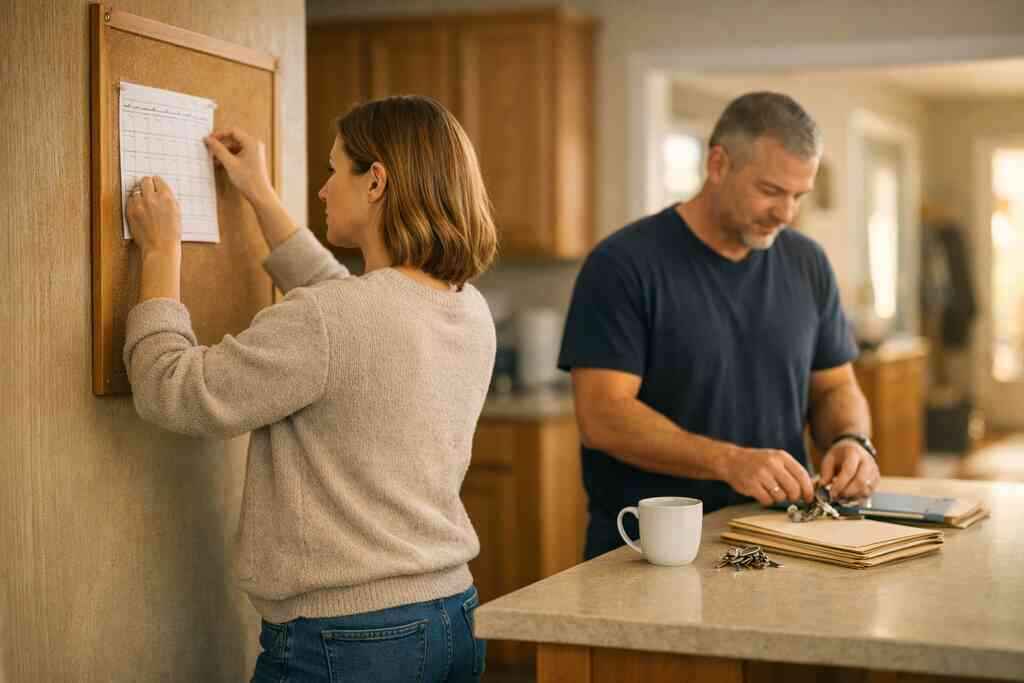
Rent is due, rehab just ended, and tonight still has to be solved. That is the part nobody puts in the discharge folder. If you are trying to find Medicaid sober homes right now, the confusion is real, and the pressure can feel brutal. Many people leaving treatment need housing that is safer than an old couch, a chaotic apartment, or a return to triggers. Addiction Treatment Services helps you compare sober living homes, a sober house, and other recovery residence options with a practical lens.
Why Medicaid sober homes matter when the rehab discharge papers don’t solve tonight
What Medicaid sober living actually covers and where the gaps usually are
Medicaid sometimes helps with recovery housing, but the coverage rules are not simple. In many places, Medicaid may support related services, while the bed itself is often separate. That means a sober living house can be part of your plan, even when Medicaid-approved sober living is not a plain yes. This is why people searching for affordable sober living often hit a wall. The gap is usually housing, not willingness to recover.
Here is the part most families miss. A home may accept residents with Medicaid-connected services, but still require private pay sober living or sliding scale sober housing for room and board. Some homes are simply insurance accepted sober living, which does not always mean Medicaid pays the whole bill. If you are sorting through options, start with Ultimate Guide to Medicaid Sober Homes and Sliding Scale Costs. Then ask direct questions about what part is covered, what part is not, and what paperwork is required.
Why a sober house can be safer than going straight back to unstable housing
A sober house is not fancy. That is the point. It gives you a drug-free housing setting, clear sober living rules, and some distance from the people, places, and routines tied to use. For someone managing substance use disorder, alcoholism, or dual diagnosis, that structure can reduce chaos in the first fragile weeks after treatment. It is not magic. It is a safer setting.
One client in a mid-sized city had a discharge plan but no stable home to return to. The family thought a relative’s spare room would be enough. It was not. Too many visitors came and went, and the old drinking cues showed up fast. The move to a structured sober living home gave them curfews, house meetings, and a sober peer support network. That kind of setup is often the bridge between treatment and real life.
How transitional housing fits after detox, inpatient care, or outpatient treatment
Transitional housing sits between treatment and full independence. It is not the same as detox, and it is not the same as a hospital. It is closer to addiction treatment aftercare with a roof over your head. After drug detoxification and recovery transition, many people still need support before they can handle a lease alone. The same is true after inpatient care or outpatient treatment.
If you are unsure about the next step, think in levels of care. Detox handles withdrawal. Inpatient care handles stabilization. Outpatient treatment adds therapy while you live elsewhere. A recovery residence can support the in-between. For a plain-language explanation, see What Is a Sober Living Home in 2026 for Adults. It helps to know exactly where the house fits, because the right level of care changes what you can expect.
The paperwork maze that decides whether a sober house is Medicaid approved
What to look for in a recovery residence before you assume insurance will pay
Do not assume every listing is the same. A real recovery residence should spell out house expectations, payment terms, and who can live there. Some homes are built for men, women, or specific needs like LGBTQ sober living, Veterans sober living, or pet-friendly sober homes. Others focus on employment, school, or a more independent setting. The details matter because they affect both fit and payment.
Before you call, check for clear language about sober living requirements, house supervision, and any recovery programming. Ask whether the home coordinates with alcoholics anonymous or NA meetings, and whether the residence supports recovery support without acting like a treatment center. If you want a stronger screening process, use How to Find Sober Living Near Me With Insurance in 2026. A good directory can save you hours of dead ends.
How state licensing, NARR standards, and certified recovery residence labels differ
This is where people get tripped up. State-licensed sober homes are not the same thing as homes that follow NARR standards. NARR stands for the National Alliance for Recovery Residences, and its standards focus on recovery housing quality. A certified recovery residence may show better structure, but certification does not always mean state licensing. Those are separate questions.
You may also see labels like “Oxford House,” which is a specific peer-run model. That does not automatically mean the home is state licensed or Medicaid approved. The safest move is to ask how the residence is verified, who inspects it, and what rules it follows. If you want help sorting the labels, review How to Compare Oxford House and Certified Recovery Residence. The title alone is not enough. The paperwork behind it matters more.
Why insurance accepted sober living still may not mean full Medicaid payment
“Insurance accepted” sounds reassuring, but it is often only part of the story. Some insurance accepted sober living homes bill for outside services, while the housing itself remains separate. Medicaid may also cover one piece and leave the rest to you. That is why asking about the payment structure before move-in is essential. It keeps surprise charges from landing later.
Here is a simple way to compare options:
Payment typeWhat it may coverWhat to askMedicaid-linked servicesCounseling, case support, related careDoes Medicaid pay for any housing-related services?Private pay sober livingRoom, board, house oversightWhat is included in the monthly rate?Sliding scale sober housingReduced fees based on incomeWhat proof do you need?Low-cost sober housingBasic housing at a lower priceAre there extra program or deposit fees?If you need a broader payment map, use Addiction Treatment Services Directory for Medicaid Users. It is easier to compare when you know which cost bucket you are actually in.
The questions to ask about sliding scale, private pay, and low-cost sober housing
Ask the hard questions early. What is the full monthly amount? Is there a deposit? Are drug tests extra? Is transportation included? Does the house require employment, school, or meetings? These details can change the real price fast, especially in low-cost sober housing.
A good house will answer without dodging. If they say they offer sliding scale, ask how it is calculated and how often it is reviewed. If they mention affordable sober living, ask what “affordable” means in dollars, not adjectives. This is also where Guide to Low Cost Sober Housing With Job Assistance 2026 can help. For many people, the best option is not the cheapest one. It is the one that keeps housing stable while recovery gets stronger.
What a sober living house really looks like once you move in
Sober living rules that usually shape daily life, from curfews to house meetings
A sober living house usually runs on rhythm. You may have a curfew. You may have chores. You may have house meetings, sign-in rules, and guest limits. These sober living rules are not meant to punish you. They are there to keep the house predictable and focused on a sober environment.
If you want the clearest picture, think less about “housing” and more about “recovery structure.” A lot of homes expect residents to respect quiet hours, keep common areas clean, and avoid conflict. Some homes also require attendance at 12-step sober living meetings or other support groups. For a deeper breakdown, see What Does a Structured Sober Living Program Include 2026. Structure can feel strict at first, but many people find it calming once they settle in.
Sober living requirements that often include drug tests, employment, or program participation
Most homes have expectations. Many require random drug testing. Some require work, school, volunteer hours, or active treatment participation. These sober living requirements help protect the house culture and lower the chance of relapse-triggered disruption. They also make expectations clear from day one.
A person I spoke with last year had just finished outpatient treatment and wanted “freedom.” What they actually needed was accountability. The house required meetings, proof of employment search, and weekly tests. That felt heavy at first. A month later, they said the routine helped them stay focused when old habits tried to return. For the exact basics, read What Are Sober Living Rules and Requirements in 2026.
How peer support, house accountability, and recovery support work in practice
Peer support is the backbone of many recovery homes. You are living with people who understand the grind of early recovery. That does not mean everyone is best friends. It means people notice patterns, speak up, and hold one another to the house standard. That kind of sober support network can be grounding when cravings or loneliness spike.
Real recovery support looks practical. Someone reminds you about a meeting. Someone notices you are skipping meals. Someone tells the house manager when tension is building. That is accountability, and it can matter more than inspirational talk. If you want a plain explanation of what this feels like, see Sober Living Homes and Addiction Treatment Services Support. For many residents, that support becomes a key part of long-term sobriety.
Halfway house vs sober living and why the level of care changes the rules
People mix these up all the time. A halfway house often has more formal oversight and may connect to the justice system or treatment system. A sober living home is usually more flexible, but still structured. The difference affects curfews, supervision, and who can live there. It also affects the level of care. 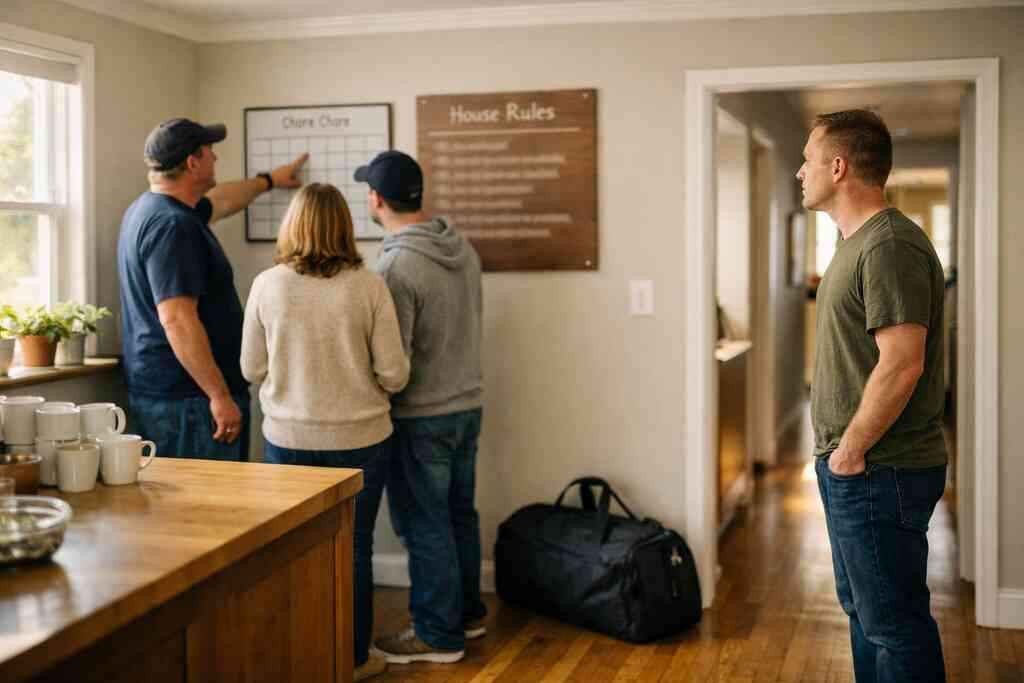
Here is a quick comparison:
FeatureHalfway houseSober living homeOversightOften more formalOften house-run or peer-runPopulationMay include court-involved residentsUsually recovery-focused adultsRulesOften stricterStructured, but varies by homeLength of stayOften time-limitedOften longer-termIf you are comparing the two, The Difference Between Halfway House and Sober Living Today is a useful next read. The right choice depends on your housing need, your recovery plan, and how much structure you still need.
How to choose a sober home without getting stuck in the wrong place
What every family should check in a Addiction Treatment Services directory before calling
A Addiction Treatment Services directory should tell you more than an address. Look for house type, gender focus, recovery requirements, payment details, and contact information. A good nationwide directory also helps you compare homes across all 50 states without starting over each time. That matters when you need to find sober living fast.
Before you call, make a short checklist:
- Is the home open now?
- Does it accept your payment type?
- Are tests, curfews, or meetings required?
- Is the location close to work, school, or treatment?
- Does the house fit your recovery needs?
If you are searching broadly, Addiction Treatment Services Sober Living Directory for Nationwide Search can help narrow the field. The best directory should save time, not create more doubt.
Men’s sober living, women’s sober living, LGBTQ sober living, and other fit-based options
Fit matters more than many people expect. Men’s sober living and women’s sober living often create different social dynamics and house expectations. LGBTQ sober living can matter for safety, identity, and peer comfort. The right fit can reduce stress before it turns into a relapse trigger. That is not a small detail. It is part of the plan.
There are also homes built around shared values or needs. Some people want faith-based recovery. Others prefer holistic sober housing. Some need a quieter environment with less group intensity. If you want a community-based option that understands identity and belonging, Guide to LGBTQ Sober Living Homes and Peer Support Networks is worth reviewing. Housing works better when it feels safe enough for honesty.
When pet-friendly sober homes, veterans sober living, college student sober living, or executive sober living make sense
Specialized housing can solve practical problems. Pet-friendly sober homes help people keep a companion animal during recovery. Veterans sober living may better fit service-related needs and routines. College student sober living can support school schedules. Executive sober living can offer more privacy for people managing work demands. These are not luxury labels by themselves. They are matching tools.
A small example: one resident needed a home that allowed a senior dog. Without that option, they would have delayed moving and stayed in a risky apartment. The pet-friendly house removed that barrier. Recovery became possible because the housing was realistic. If that sounds familiar, check Best Pet Friendly Sober Homes for People in Recovery 2026. The best fit is the one you can actually live in.
How to compare structured sober living, Oxford House, and faith-based recovery models
These models are not interchangeable. Structured sober living usually means clear house rules, monitoring, and expectations. Oxford House is peer-run and democratic, with residents sharing responsibility. Faith-based recovery adds spiritual support and often stronger religious language. Each can work. Each can also feel wrong if it does not match your values.
If you want more structure, ask about curfews, leadership, and consequences. If you want peer-led housing, ask how decisions are made. If spirituality matters, ask how the program includes prayer, worship, or faith-based meetings. For a closer comparison, read Top 7 Faith Based Recovery Homes for Men and Women in 2026. The right home should support recovery without asking you to become someone else.
The move that comes next after you find sober living near me and want to act fast
How to use a nationwide directory and state pages to narrow choices in all 50 states
When you search sober living near me, the list can feel endless. A nationwide directory helps you narrow by state, city, payment type, and house style. That matters if you are comparing places across all 50 states or trying to line up housing after treatment. Start with one state page, then compare nearby options. Fast searches still need careful checks.
Use the directory to sort by basics first: location, payment, gender, and program style. Then call the homes that remain. If you are exploring a wider search strategy, How to Find Sober Living Near Me with Addiction Treatment Services can guide the next step. Good housing decisions are often made in layers, not all at once.
What to ask about job assistance sober living, relapse prevention, and recovery resources
Some homes offer more than a bed. They help with resumes, applications, transportation planning, and schedule discipline. Job assistance sober living can matter because stable income supports housing stability. Ask whether the house helps with interviewing, work search, or local employers. Also ask what recovery resources they connect residents to.
You should also ask about relapse prevention support. Do they track triggers? Do they encourage meetings? Do they help residents build routines around sleep, food, and movement? These questions reveal how the house thinks about recovery, not just rent. For homes that connect housing and work support, Guide to Low Cost Sober Housing With Job Assistance 2026 is a smart place to start. A solid house should help you stabilize, not just occupy space.
How to coordinate aftercare, AA or NA meetings, and a sober support network before move-in
Do not wait until move-in day to build your plan. Ask which AA or NA meetings are nearby. Confirm the meeting times. Check whether the home expects attendance. Then line up a sponsor, counselor, or peer contact if you have one. That way, your aftercare does not start from zero.
Some houses also encourage connections to alcoholics anonymous and NA meetings as part of the weekly routine. Others allow broader recovery paths. Both can work if the house stays consistent and the support is real. If you need meeting help, Alcoholics Anonymous meetings and Narcotics Anonymous Meetings can help you map options quickly. A steady support network makes the house feel less like a stopgap and more like a launch point.
Which next steps belong on your checklist once a recovery residence looks like the right fit
Once a recovery residence seems right, move methodically. Ask for the resident agreement. Confirm move-in costs. Verify ID and transportation needs. Review house rules again. Then make sure the timing works with treatment discharge, work, or family obligations. If it feels rushed, slow it down just enough to verify the basics.
Use this quick checklist:
- Confirm payment and deposit terms.
- Ask about testing, curfew, and meetings.
- Verify the location and transportation access.
- Check whether the home matches your support needs.
- Arrange aftercare before you move in.
If the house checks out, do not get stuck in analysis. Place the call. Gather the papers. Put the plan in motion. You do not have to solve the entire recovery path today, and you do not have to do it alone. Start with one verified home, one honest conversation, and one clear move forward.
Frequently Asked Questions
Question: What is a sober living house, and how does Addiction Treatment Services help me find sober living near me?
Answer: A sober living house is a drug-free housing option that supports addiction recovery after detox, inpatient care, or outpatient treatment. It is usually a structured recovery residence with sober living rules, peer support, and expectations that help residents stay focused on recovery. Addiction Treatment Services helps people compare sober living homes across all 50 states through a nationwide directory, so you can find sober living near me without guessing which option fits your needs. We make it easier to review details like level of care, sober living requirements, location, and whether the home is a fit for men’s sober living, women’s sober living, LGBTQ sober living, or another specialized recovery community.
Question: Does the Addiction Treatment Services Guide to Medicaid Sober Homes explain Medicaid-approved sober living, insurance accepted sober living, and low-cost sober housing options?
Answer: Yes. The Addiction Treatment Services Guide to Medicaid Sober Homes is designed to help you understand the difference between Medicaid sober homes, Medicaid-approved sober living, private pay sober living, insurance accepted sober living, and sliding scale sober housing. In many cases, Medicaid may help with related recovery services, while room and board are handled separately, so it is important to ask what is covered before moving in. Our guide walks you through the payment maze in plain language and helps you compare affordable sober living options without making assumptions about what insurance will pay. If you are trying to find low-cost sober housing that still offers structure, accountability, and recovery support, our directory and resources can help you sort through the choices with more confidence.
Question: How do I choose a sober home that fits my recovery needs, especially if I need structured sober living, peer support, or dual diagnosis support?
Answer: How to choose a sober home depends on your recovery goals, daily needs, and the amount of support you still need after treatment. A good recovery residence should clearly explain sober living requirements, sober living rules, house expectations, and whether it offers structured sober living or a more independent setting. Addiction Treatment Services helps you compare homes that may support substance use disorder recovery, alcoholism recovery, or dual diagnosis needs by showing you practical details rather than just a listing name. You can also look for features that matter to your life, such as job assistance sober living, relapse prevention support, recovery resources, alcoholics anonymous or NA meetings, and a sober support network. If you need a specific fit, our directory can help you search for pet-friendly sober homes, Veterans sober living, college student sober living, executive sober living, faith-based recovery, or holistic sober housing.
Question: What is the difference between halfway house vs sober living, and how do I know which level of care is right for me?
Answer: Halfway house vs sober living can be confusing because both provide transitional housing, but they often serve different needs. A halfway house may have more formal oversight and may be linked to the justice system or a treatment program, while a sober house or sober living home is often more recovery-focused and can offer a longer-term sober environment with more flexibility. The right level of care depends on how much structure, accountability, and recovery support you still need after detox or treatment. Addiction Treatment Services helps you compare these options side by side so you can find halfway house options or sober living homes that match your current stage of addiction recovery. We encourage you to ask about curfews, meetings, testing, peer support, and whether the residence is a state-licensed sober home or certified recovery residence before making a decision.
Question: Can Addiction Treatment Services help me compare men’s sober living, women’s sober living, LGBTQ sober living, and other specialized sober community options?
Answer: Yes. Addiction Treatment Services helps people find sober living options that fit real-life needs, not just a generic housing category. That includes men’s sober living, women’s sober living, LGBTQ sober living, pet-friendly sober homes, 12-step sober living, faith-based recovery, holistic sober housing, and more specialized communities like Oxford House, Veterans sober living, college student sober living, or executive sober living. The goal is to help you find a sober community where the sober environment feels safe, stable, and supportive enough for long-term sobriety. Because every recovery journey is different, we focus on giving you clear information about the house type, expected sober living rules, and available recovery resources so you can choose a place that truly fits your needs.