


Igniting Hope: The New Age of Medication Assisted Recovery
Why addiction treatment services review matters
Across the nation, people desperately Google solutions for substance misuse every minute. Without reliable guidance, online results feel endless, contradictory, and overwhelming. A comprehensive addiction treatment services review narrows the maze, spotlighting science backed options instead of marketing slogans. Readers gain confidence when they see transparent evaluations of detoxification services, outpatient care, and residential treatment pathways. That confidence often sparks the first phone call, transforming hesitation into decisive action toward recovery.
Addiction Treatment Services curates verified data from hundreds of addiction treatment centers across all fifty states. Our directory grades facilities on accreditation, staff credentials, patient reviews, and measurable outcomes. When readers click find medication-assisted programs near you, they instantly compare local MAT clinics without hunting through sponsored ads. Such transparency saves time, reduces frustration, and protects families from predatory marketing disguised as help. Knowledge empowers change, and a precise review often becomes the spark of hope that shatters denial.
From withdrawal symptoms to first step care
Every substance produces a unique withdrawal profile, yet fear of those symptoms paralyzes many people seeking help. Opioid cravings, shaking, cold sweats, and mood swings may appear unbearable when viewed in isolation. However, medication-assisted treatment protocols convert chaotic detox into a supervised, tolerable, and clinically measured process. Clinicians deploy buprenorphine microdoses or methadone stabilization to relieve pain while preventing dangerous respiratory depression. These pharmacological supports allow patients to focus on motivation, not agony, during that vital first step.
Families often misinterpret early agitation as failure, yet it usually means the body is recalibrating neurotransmitters. Understanding standard signs of opioid withdrawal and expected timelines prevents unnecessary emergency room visits. Professional teams monitor blood pressure, hydration, and mood daily, adjusting medication dosing protocols when metrics shift. This responsive care model embodies harm reduction, ensuring safety without moral judgment. Once stability returns, counselors introduce early intervention therapy, preparing clients to explore root causes beyond chemical dependence.
How MAT redefines evidence based recovery methods
Medication-assisted treatment, or MAT, integrates FDA approved medications with behavioral health services to target both brain chemistry and lifestyle habits. Instead of swapping addictions, carefully titrated doses normalize dopamine pathways and calm impulses hijacked by substance use disorders. Studies from major universities demonstrate that MAT doubles retention rates compared to abstinence only programs. Longer engagement means more counseling sessions, deeper skill building, and stronger relapse prevention planning. Consequently, communities witness lower overdose deaths and improved employment statistics among graduates of evidence based medication recovery.
Historically, critics viewed methadone clinics as the final stop, yet modern MAT now spans multiple innovative molecules. Extended release of naltrexone blocks opioid receptors for weeks, granting individuals chemical freedom without daily dosing. Buprenorphine’s ceiling effect lowers overdose risk while maintaining enough receptor activity to silence persistent cravings. Suboxone maintenance therapy adds naloxone, deterring misuse and supporting outpatient treatment flexibility. These pharmacological variations let physicians personalize care, matching biology, history, and personal goals.
The Addiction Treatment Services directory catalogs programs that weave psychotherapy, peer support, and MAT into one seamless curriculum. Clinicians share outcomes through standardized data sets, allowing ATS analysts to benchmark progress across states. This nationwide comparison fuels policy advocacy, ensuring rural MAT access solutions receive equal funding attention. When policymakers see quantifiable success, stigma erodes and insurance coverage expands for medication-assisted treatment. Ultimately, MAT redefines recovery as a personalized, data driven partnership rather than a one-size moral expectation.
Mapping the MAT Landscape FDA Approved Tools and Tactics
Methadone versus buprenorphine comparative insights
Methadone has anchored opioid treatment programs for decades, yet modern research shows buprenorphine offers comparable retention with fewer risks. Buprenorphine’s ceiling effect lowers overdose potential, while methadone’s full agonist profile better controls relentless cravings. Choosing between them involves examining personal history, co-occurring disorders, and driving time to dosing sites. Families often consult the national addiction treatment services overview to compare local wait-lists, staff credentials, and daily schedule demands. Data transparency replaces guesswork, empowering patients to pick the safest medication-assisted treatment pathway.
Clinical teams also weigh cardiac concerns, pregnancy status, and medication interactions when recommending either agent. Methadone may prolong QTc intervals, so cardiology screening becomes essential. Buprenorphine clinics near you frequently offer same-day inductions, reducing relapse risk during the first step. Meanwhile, methadone programs supply observed dosing, which some individuals find reassuring for accountability. Ultimately, individualized dosing protocols turn these pharmacologic tools into powerful relapse prevention foundations.
Extended release naltrexone for alcohol and opioid dependence
Extended release naltrexone delivers a monthly injection that blocks euphoric receptor activity for weeks. This steady blockade benefits people juggling both opioid and alcohol use disorders who dread daily pill fatigue. Because it is non-addictive and non-sedating, participants can safely drive, parent, and maintain demanding jobs. However, clinicians must confirm complete detoxification before the first injection to prevent acute withdrawal symptoms. Many addiction treatment centers schedule inpatient detox followed by immediate naltrexone initiation for seamless continuity of care.
Cost considerations often surface because injection formulations carry higher pharmacy prices than oral tablets. Fortunately, many insurers cover the shot when documentation proves prior treatment attempts or high overdose risk. Clients also appreciate that monthly visits include counseling, lab draws, and mental health services under one roof. This bundled approach shortens appointment clutter and boosts engagement with behavioral therapy. In turn, retention statistics for naltrexone programs continue to climb nationwide.
Suboxone maintenance therapy protocols
Suboxone blends buprenorphine with naloxone to deter misuse while sustaining receptor stability. Standard induction starts with microdosing during early withdrawal, preventing precipitated symptoms and easing anxiety. Once stabilized, clinicians shift to once-daily dosing that fits outpatient treatment schedules. Because naloxone remains inert unless injected, the formulation discourages diversion without punishing legitimate patients. Many intensive outpatient programs include observed dosing early, then graduate clients to take-home privileges as adherence grows.
Routine medication reviews guard against tolerance creep and ensure dosing remains therapeutic rather than excessive. Providers track liver function, mood shifts, and sleep patterns, adjusting milligrams as biology evolves. Suboxone maintenance dovetails naturally with cognitive behavioral therapy, mindfulness training, and peer support groups. Patients report an improved ability to focus during counseling because cravings no longer dominate mental bandwidth. Sustained stability allows deeper exploration of trauma, family dynamics, and vocational goals.
Telehealth medication assisted treatment in rural communities
Geography can hinder access when the nearest clinic sits hours away, especially during severe weather. Telehealth medication-assisted treatment bridges that gap through secure video visits, remote urine screens, and mailed medication lockboxes. Rural MAT access solutions pioneered in states like Idaho now inspire national policy shifts. Licensed prescribers adjust dosages online while local pharmacies dispense under digital supervision, saving countless miles of travel. Consequently, overdose rates in several frontier counties have begun to decline.
Besides logistical relief, virtual platforms reduce stigma by letting people attend sessions from private spaces. This discretion matters in small towns where anonymity feels impossible at the grocery store. Telehealth also broadens specialist reach, connecting addiction psychiatrists with clients otherwise limited to primary care. Of course, contingency planning ensures emergency in-person services remain available when complications arise. Balanced correctly, hybrid models fuse convenience with clinical rigor.
Insurance coverage and MAT program navigation
Many consumers wrongly assume medication-assisted treatment exceeds their budget, yet parity laws mandate coverage on most commercial plans. Case managers within addiction treatment services directories teach families how to decode formularies, prior authorization rules, and co-pay structures. They often recommend submitting appeal letters that highlight medical necessity and evidence-based recovery methods. Success rates improve when documentation includes counseling attendance, toxicology reports, and relapse history.
Navigating public insurance presents its own maze of income thresholds, state waivers, and provider certification requirements. Outpatient care settings usually accept a mix of Medicaid expansion plans and private insurance, whereas residential treatment may require additional pre-certification. Financial counselors compare in-network facility options against out-of-network benefits, ensuring no surprise bills derail progress. When coverage gaps persist, scholarship funds and sliding-scale fees fill the void. Equipped with clear financial roadmaps, patients commit fully to the recovery process rather than worry about hidden costs.
 Synergy in Action: Integrating Counseling and Medication
 Synergy in Action: Integrating Counseling and Medication
Combining behavioral therapy with MAT for dual diagnosis
Medication-assisted treatment gains momentum when therapists weave cognitive strategies into every dosing checkpoint. Clinicians address mood disorders, trauma memories, and substance misuse triggers during the same appointment, eliminating fragmented care. This integration allows people with co-occurring depression or anxiety to practice coping tools while brain chemistry stabilizes. Readers interested in the detailed science behind this blend can explore the role of psychotherapy with MAT for a deeper clinical overview. When psychological safety grows, the first step toward lasting recovery feels less like a gamble and more like a structured plan.
Addiction treatment services track measurable gains by comparing craving scores before and after counseling sessions. Data show that clients engaging in weekly talk therapy cut opioid daydreaming nearly in half within three months. Meanwhile, family member feedback indicates improved emotional regulation at home, confirming external progress. Transparent outcome dashboards inspire other treatment facilities to embed behavioral health services fully rather than treat them as optional add-ons. This wraparound philosophy also attracts insurers eager to fund evidence-based recovery methods.
Outpatient treatment and intensive outpatient program support
Many people fear that stepping away from residential treatment will dismantle hard-won momentum. Well-designed outpatient treatment dismantles that myth by maintaining daily structure without uprooting jobs or child-care duties. Intensive Outpatient Programs supply three-hour evening blocks of group therapy, skill rehearsal, and medication reviews, preventing idle time that breeds relapse risk. Clinicians monitor withdrawal symptoms remotely, adjusting buprenorphine or naltrexone doses before discomfort escalates. Because appointments remain predictable, clients keep earning paychecks and strengthening sober networks simultaneously.
Addiction treatment centers in the Addiction Treatment Services directory publish clear schedules so families can compare commute times and clinician credentials. Participants often combine in-person counseling with telehealth check-ins, creating a hybrid safety net that travels wherever they do. This flexibility especially benefits professionals who cannot miss full workdays for care. Over time, participants graduate to weekly sessions while continuing medication management, demonstrating how early intervention evolves into sustainable self-management. Each milestone is logged, celebrated, and shared with supportive peers.
Family education and craving reduction strategies
Relapse prevention starts at the dinner table where subtle triggers often hide in plain sight. Counselors coach relatives to recognize escalating restlessness, irritability, or insomnia as possible signs of withdrawal rather than a bad attitude. Armed with that awareness, families redirect conversations toward coping skills instead of blame, reducing shame that fuels secrecy. Workshops also outline nutrition plans, mindfulness exercises, and sleep hygiene tips that naturally decrease cravings by balancing cortisol levels. Empowered households become miniature recovery support services, extending therapeutic reach beyond clinic walls.
Many programs invite siblings and partners to role-play high-risk scenarios, practicing boundary statements ahead of real-world stressors. This rehearsal helps everyone differentiate support from enabling, a nuance crucial for long-term stability. Educators offer printed guides on how medication-assisted treatment interacts with mental health services, ensuring no conflicting prescriptions slip through. Families also receive hotline numbers should urgent questions arise after hours. When crises are anticipated, they rarely spiral into emergency room visits or courtroom interventions like the Florida Marchman Act.
MAT support groups near me are leveraging the community
Peer networks convert clinical insights into everyday language that resonates on a human level. MAT support groups near me gather weekly, blending newcomers with seasoned mentors who model realistic hope. Facilitators clarify that craving flare-ups do not equal failure; they are neurological echoes fading with consistent medication adherence. Some participants attend open sessions at local churches, while others prefer online meetings for privacy. Regardless of format, shared stories dismantle isolation faster than any prescription alone.
Groups often partner with traditional fellowships, directing attendees to regional resources that complement medication plans. Members can easily find Alcoholics Anonymous meetings or locate Narcotics Anonymous groups for additional accountability without judgment. Housing options like Top Sober House or transitional communities such as RECO Institute provide supportive roofs when home environments feel unstable. Mutual-aid leaders also organize weekend hikes, art workshops, and resume clinics, proving recovery is a full-color lifestyle rather than a narrow medical script. Each handshake, laugh, and shared milestone tightens the communal fabric that safeguards against relapse.
Navigating Barriers, Stigma Access and Personalized Care
Stigma reduction in medication recovery
Many people still believe medication-assisted treatment replaces one addiction with another, and that myth cuts deep. Shame thrives when neighbors whisper, forcing individuals to hide life-saving prescriptions and skip clinic visits. Addiction treatment services confront misinformation head-on through public webinars, employer training, and faith-community roundtables. Participants learn the neuroscience behind substance use disorders and discover that FDA-approved medications normalize, rather than numb, brain chemistry. When facts replace fear, conversations shift from judgment to practical support for the recovery process.
Community stories further erode stigma by spotlighting graduates who now mentor newcomers. Hearing a former patient describe rejoining the workforce while on Suboxone reframes expectations instantly. Family members who once opposed methadone programs now celebrate reduced overdose deaths and restored relationships. Addiction treatment centers publish outcome data, proving retention doubles when medications pair with counseling. These transparent results convince skeptics faster than any slogan ever could.
Rural MAT access solutions and mobile clinics
Geography should never dictate survival, yet remote counties often lack brick-and-mortar opioid treatment programs. To bridge that gap, mobile dosing units and telehealth platforms park beside libraries, farms, and courthouses, bringing outpatient care directly to residents. Nurses oversee inductions while tablets connect patients to distant addiction psychiatrists, saving hours of travel. States modeling this approach, including the Idaho rural addiction care initiative, report measurable drops in fatal overdoses. Local leaders now champion mobile units as essential public health infrastructure rather than optional extras.
Reliable broadband remains the final hurdle, so advocacy teams partner with telecom providers to install community hot-spots. Once internet access stabilizes, evening video groups keep momentum alive for people juggling shift work and childcare. Addiction treatment services directory entries flag clinics offering hybrid visits, allowing individuals to alternate between in-person dosing and secure video check-ins. This flexibility sustains engagement during harsh weather or harvest season. As mobile models expand, even frontier communities gain equal footing in evidence-based recovery methods.
Personalized medication dosing protocols
No two bodies metabolize opioids identically, so predetermined dosages invite either cravings or sedation. Modern clinics start with micro-induction, then adjust buprenorphine or methadone using genetic markers, liver panels, and patient feedback. Pharmacists collaborate with physicians daily, comparing trough levels against self-reported anxiety and sleep quality. This precision transforms medication-assisted treatment from a blunt tool into a tailored wellness plan. Patients feel heard, which boosts adherence and trust in their care team.
Personalization extends beyond milligrams to delivery format and appointment cadence. Some individuals request extended-release naltrexone injections to avoid daily reminders of past substance misuse. Others prefer observed dosing for built-in accountability during early intervention. Mental health services integrate seamlessly, tweaking antidepressants or mood stabilizers alongside MAT shifts. Addiction treatment services review dashboards track outcomes across demographics, helping clinicians refine protocols for veterans, pregnant patients, and older adults. Data-driven adjustments prove that individualized care is not a luxury-it is the standard.
Managing tapering off medication safely
Eventually, many clients wonder when or whether to taper. The safest answer emerges only after sustained stability in housing, employment, and mental health has been documented for months. Clinicians then design a slow reduction schedule, lowering doses in tiny increments to minimize signs of withdrawal. Patients practice coping skills, monitor blood pressure, and journal cravings daily, flagging any spike early. If discomfort flares, providers pause the taper rather than forcing progress for the calendar’s sake.
Peer support and relapse prevention planning surround every dosage change. Therapists rehearse high-risk scenarios, while medical staff keep naloxone on hand as an extra safety valve. Families learn to differentiate normal restlessness from alarming regression, relying on the publicly available signs of opioid withdrawal guide for quick reference. Graduated step-downs continue until medication reaches zero or an optimal maintenance point. Throughout this journey, clients know they can always contact the addiction treatment services team members for guidance, preventing isolation from derailing hard-won gains.
Epilogue: Empowered Journeys Beyond Relapse
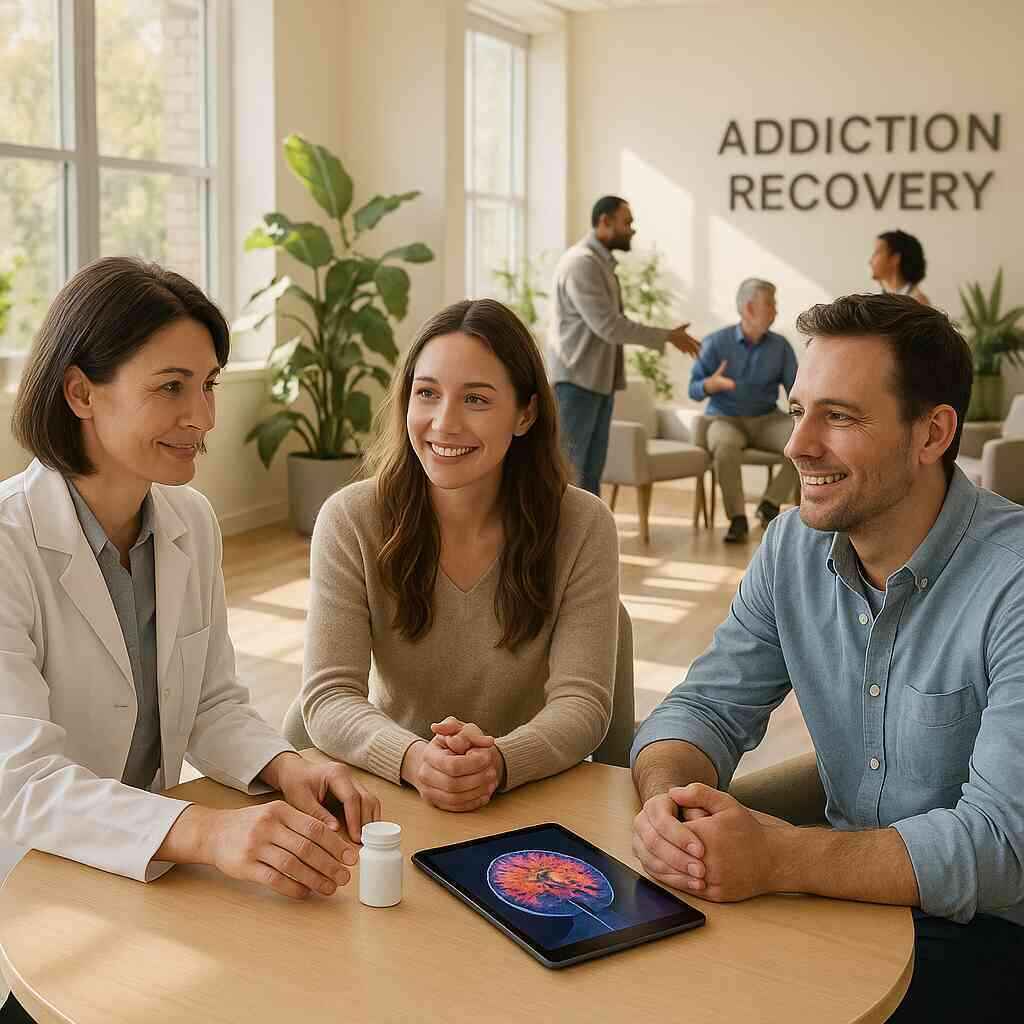 Epilogue: Empowered Journeys Beyond Relapse
Long term outcomes of MAT are measured through data
Medication-assisted treatment produces measurable gains that hold steady long after formal programming ends. Addiction treatment services review dashboards reveal lower overdose deaths, higher job retention, and stronger family reunification rates among participants who remain engaged beyond twelve months. Researchers track medication adherence, counseling attendance, and criminal justice involvement to create a holistic success index. Across multiple treatment facilities, graduates demonstrate reduced emergency room use, proving that early intervention saves both lives and community resources. These numbers dissolve lingering doubts and give policymakers a concrete basis for expanding evidence-based recovery methods.
Continual data collection also identifies subtle trends that help clinicians fine-tune protocols. For example, buprenorphine doses often dip slightly during the second year without increasing relapse risk, suggesting neurochemical healing. Meanwhile, extended-release naltrexone participants show consistent alcohol abstinence when they attend monthly peer coaching. Addiction treatment centers feed this information back into the nationwide addiction treatment services directory, empowering other providers to replicate victories. Transparent metrics therefore transform isolated success stories into scalable public health strategies.
Relapse prevention and harm reduction recovery plan
A sustainable recovery plan blends behavioral health services, medication management, and real-world rehearsal of coping skills. Counselors coach clients to schedule daily mindfulness breaks, maintain balanced nutrition, and keep naloxone within reach. By rehearsing responses to stress, individuals replace impulsive cravings with predictable protective actions. Harm reduction does not excuse substance misuse; instead, it creates safer conditions while motivation matures. This pragmatic stance keeps momentum alive during inevitable life turbulence.
Families also need quick reference tools when warning signs appear. Many households bookmark the signs of opioid withdrawal guide so everyone recognizes early tremors, yawns, or mood swings. Swift identification prompts timely dose adjustments rather than frantic emergency visits. Combined with weekly check-ins, this shared vigilance turns potential setbacks into teachable moments. Over time, such coordinated relapse prevention dissolves fear and turns each household into an extension of professional recovery support services.
Selecting an addiction treatment center near you
Choosing the right treatment facility involves more than scanning glossy brochures. Prospective clients should verify accreditation, staff credentials, and medication-on-site capabilities through the addiction treatment services directory. Comparing urban and rural options clarifies whether daily dosing schedules, telehealth options, or residential beds match personal obligations. Individuals juggling employment may prioritize outpatient treatment with evening hours, while those facing chaotic environments might seek short-term residential stabilization first. A clear list of priorities prevents emotional marketing from overshadowing clinical needs.
During consultations, ask pointed questions about individualized dosing protocols, dual diagnosis resources, and family education workshops. Request outcome data that matches your demographic group, such as veterans or pregnant women, to gauge program relevance. Evaluate whether mental health services integrate seamlessly with medication management or exist as separate silos. Finally, confirm insurance navigation assistance so financial stress will not derail progress. This systematic approach transforms a daunting search into an informed, confident first step.
Continuous recovery support services and peer networks
Recovery truly begins once structured treatment ends, making ongoing community support essential. Local MAT support groups, alumni meetings, and online forums offer safe arenas to process setbacks and celebrate milestones. These peer networks translate clinical vocabulary into everyday language, reinforcing skills learned during therapy. Because members share lived experience, advice feels authentic and immediately applicable. Regular attendance also rebuilds social capital, which addiction often erodes.
Addiction Treatment Services encourages graduates to blend multiple resources for maximum resilience. Participants might pair weekly peer gatherings with monthly therapist check-ins and occasional volunteer work at nearby sober living homes. Such layered engagement keeps purpose, accountability, and belonging in constant rotation. When challenges arise, a simple phone call or text to a trusted peer often diffuses risky impulses before they escalate. Ultimately, continuous connection converts short-term success into lifelong empowerment, proving that sustained collaboration outshines solitary willpower.
Frequently Asked Questions
Question: What makes the Addiction Treatment Services’ addiction treatment services review so reliable when I am searching for medication-assisted treatment insights?
Answer: Our analysts grade addiction treatment centers on objective metrics-accreditation status, staff credentials, patient reviews, measurable outcomes, and availability of FDA-approved addiction medications. Because the directory is not pay-to-play, every addiction treatment service review reflects verified data rather than advertising. This transparency lets you compare outpatient treatment, residential treatment, and detoxification services side-by-side, then move forward with evidence-based recovery methods you can trust.
Question: How can Addiction Treatment Services help my family weigh Suboxone maintenance therapy against methadone treatment or an extended-release naltrexone evaluation?
Answer: Our searchable addiction treatment services directory lets you filter programs by the exact medication offered, whether you need a buprenorphine clinic near you, an opioid treatment program for methadone, or centers that specialize in monthly naltrexone injections. Each listing shows wait-lists, dosing schedules, cardiac screening protocols, and peer support options, so families can see which MAT for opioid dependence best matches withdrawal symptoms, craving reduction strategies, and everyday logistics.
Question: The blog Addiction Treatment Services Review Medication Assisted Care talks about integrating MAT and counseling-does your platform highlight centers that provide dual diagnosis medication care?
Answer: Yes. Facilities tagged Dual Diagnosis in our directory must demonstrate integrated behavioral health services and medication-assisted treatment in one coordinated plan. That means psychiatric evaluations, cognitive behavioral therapy, and MAT dosing occur under the same roof, streamlining care for co-occurring disorders. Outcome dashboards show higher retention and lower relapse when counseling and medication work together, giving you hard numbers to back your decision.
Question: Can Addiction Treatment Services guide me through insurance coverage, prior authorizations, and personalized medication dosing protocols for MAT programs?
Answer: Absolutely. Each treatment facility profile lists accepted insurers, Medicaid expansion status, and on-site financial counselors. Our case-management team also supplies template appeal letters and real-time formulary checks to confirm coverage for Suboxone, methadone, or extended-release naltrexone. Once enrolled, clinicians use lab panels and patient feedback to craft personalized dosing protocols, ensuring your medication remains therapeutic without over-sedation or breakthrough cravings.
Question: Do you offer telehealth medication-assisted treatment or rural MAT access solutions for people who live far from traditional clinics?
Answer: Yes. Many addiction treatment centers in our network provide secure video inductions, remote urine screens, and mobile dosing units that travel to frontier counties. You can search Telehealth or Mobile Clinic filters to locate programs that mail medication lockboxes or partner with local pharmacies. These innovations bring evidence-based recovery methods, harm reduction recovery plans, and ongoing relapse prevention to every zip code, no matter how remote.