


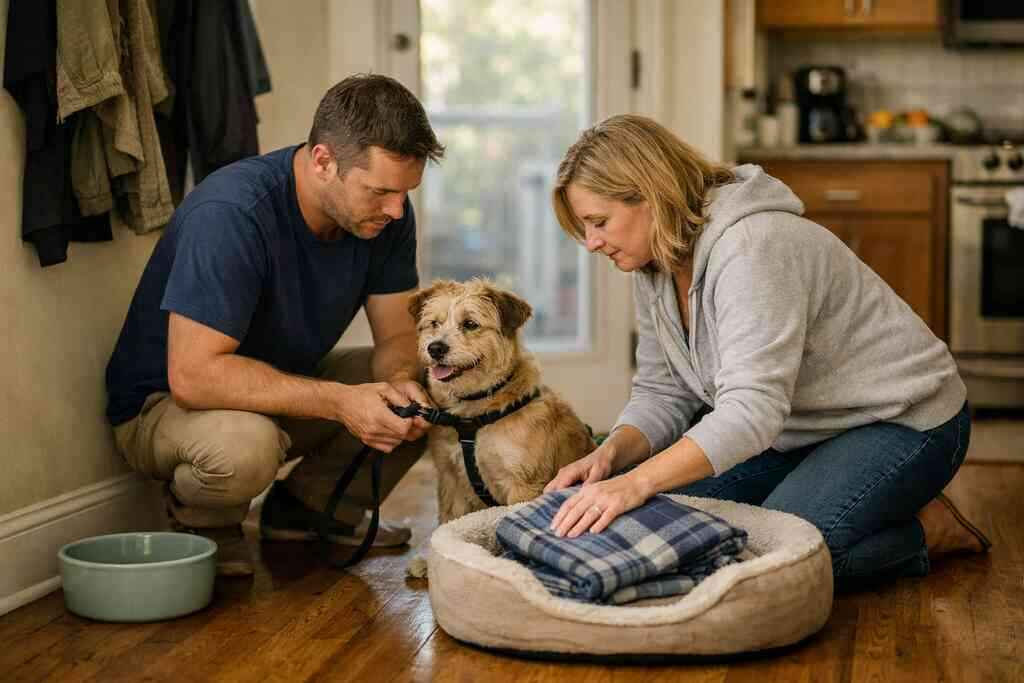
When pet friendly sober homes solve a problem people rarely talk about
You may be leaving treatment with a packed bag and one hard question: where can you go that still feels steady? That question gets sharper when a pet depends on you. Many people underestimate how much a dog, cat, or small companion can anchor daily routine during recovery. If you feel torn, that reaction is normal.
Why leaving treatment gets harder when a pet is part of your daily stability
Pets can quietly hold a recovery schedule together. They pull you outside, wake you up, and give the day shape. For someone rebuilding after alcoholism or substance use disorder, that structure matters. Losing that bond can make the next housing choice feel bigger than it should.
A person we spoke with recently had one concern after residential treatment: their older terrier. The dog slept at the foot of the bed, came on every walk, and made evenings feel less empty. They were not asking for luxury. They were asking for a sober environment that would not force an impossible choice. That is where pet-friendly sober housing can matter more than people expect.
What pet friendly sober housing usually allows and what house rules still matter
Pet-friendly sober homes do not all work the same way. Some allow only cats or small dogs. Others ask for vaccination records, leashes, cleanup supplies, and proof that your animal will not disrupt the house. Most still enforce sober living rules, quiet hours, guest limits, and shared cleaning.
The important part is this: a pet policy never replaces recovery requirements. A real recovery residence still expects drug-free housing, honest communication, and respect for the home. If a place advertises pet-friendly sober homes but cannot explain its house rules, that is a warning sign. Good housing balances compassion with clear expectations.
Why a sober living home with peer support can feel safer than going it alone
Peer support changes the feel of a house. Instead of isolating after discharge, you are around people who understand cravings, meetings, work stress, and the awkwardness of rebuilding life. A sober living home with peer support can make the first weeks less fragile. That does not mean the work gets easy. It means the work gets shared.
Here is the part most families miss. A sober community often reduces the sense that every mistake is a crisis. Residents check in, go to AA meetings or NA meetings, and notice changes early. In many cases, that practical contact is what makes transitional housing more useful than moving back into an old trigger-heavy setting.
The questions families should ask before they search for pet friendly sober homes
Before you search for pet-friendly sober homes in 2026, ask direct questions. You need more than a yes or no on pets. You need to know how the house handles relapse, noise, visitors, and shared space. If the answers feel vague, keep looking.
Ask these first:
- What pets are allowed, and what documents are required?
- Are there size, breed, or species limits?
- Does the home require deposits or extra cleaning fees?
- How are house rules enforced?
- Is peer support built into the schedule?
- Are residents expected to attend recovery meetings or work?
Those answers tell you whether the home supports addiction recovery or simply markets itself well. Families dealing with dual diagnosis concerns should ask how the house responds to mental health needs, too. A good answer will be specific, calm, and written down.
What separates a real recovery residence from a place that just says sober
What a sober living house is and how it differs from a halfway house
A sober living house is a drug-free housing setting where people live while they keep working on recovery. A halfway house can mean something different, especially if court involvement or formal supervision is part of the arrangement. The phrase halfway house vs sober living gets used loosely online, but the difference matters in real life. You want to know who runs the house, what rules apply, and what happens if someone struggles.
A true sober house usually focuses on accountability, routine, and recovery support. It is not inpatient treatment. It is not detox. It is a recovery residence that helps bridge the gap between treatment and independent living. That is why people often search for what is a sober living home for adults when they are trying to understand the level of care.
How structured sober living uses curfews, drug testing, house meetings, and shared accountability
Structured sober living works because it removes too much choice too soon. Curfews keep nights predictable. Drug testing keeps the house honest. House meetings create a place to address problems before they spread. Shared accountability turns small commitments into routine.
A structured sober living program often includes chores, meeting attendance, employment expectations, and written consequences for rule violations. That structure can feel strict at first. Still, many people in early recovery find the predictability calming. It gives the brain fewer places to drift.
Where peer support fits in with recovery residence with peer support and sober community
Peer support is not a nice extra. In many homes, it is the engine. A sober living home with peer support can include peer recovery coaching, mutual aid support, and simple daily check-ins. Residents may remind each other about meetings, job interviews, or sleep routines.
That kind of recovery support helps create a sober support network. It also makes relapse prevention more concrete. Instead of speaking in generalities, people talk about triggers, boredom, money stress, and sleep loss. Those are the moments when structure matters most.
Which programs tend to align with men’s sober living, women’s sober living, LGBTQ sober living, and Veterans sober living
Different people need different kinds of safety. Men’s sober living and women’s sober living can reduce distractions and simplify group dynamics. LGBTQ sober living may offer a more affirming sober community for people who have faced discrimination or family rejection. Veterans sober living may fit people who need housing that respects service-related stress and routine. 
The best program is not always the fanciest one. It is the one where the resident feels seen and can actually follow the rules. Some houses also serve college student sober living needs, executive sober living needs, or faith-based recovery preferences. Others lean toward 12-step sober living, holistic sober housing, or an Oxford House model. The fit matters more than the label.
How to compare the homes that look good on paper but work very differently in real life
What sober living rules and sober living requirements should be written down before move-in
Never move in without written rules. Real sober living requirements should explain curfew, chores, drug testing, rent due dates, meeting attendance, guest policies, and relapse procedures. If a house avoids putting this in writing, that is a problem. Clarity protects everyone. You should also ask how the home handles medication, work schedules, and pets. Some houses allow medication-assisted treatment under a clear policy. Others do not, and that needs to be known before move-in. The sober living rules and requirements should be plain enough that a tired person can understand them. ### How to judge level of care, aftercare, and relapse prevention support without guessing
People often ask how to choose a sober home without getting lost in marketing language. Start with level of care. Does the house coordinate with outpatient treatment, therapy, or dual diagnosis support? Does it discuss transitional housing and aftercare support in plain language? If not, the support may be thinner than it sounds.
Relapse prevention should also be specific. A good home explains what happens after a missed meeting, a positive test, or a conflict with another resident. It should connect residents to recovery resources, not shame them. That matters even more for people managing both substance use disorder and mental health symptoms. Real aftercare is about planning, not perfection.
Which payment paths come up most often, including affordable sober living, private pay sober living, insurance accepted, sliding scale, and Medicaid sober homes
Cost is often the point where people get stuck. Affordable sober living can look very different from one state to the next. Some homes are private pay sober living. Some accept insurance. Others use sliding scale pricing or serve residents through Medicaid sober homes programs where allowed. A few combine several payment paths.
If money is tight, compare all of your options before you rule anything out. Search for affordable sober living near me and ask whether the house works with insurance-accepted plans, sliding scale costs, or public funding. Never assume a higher price means better recovery support. Price should match services, not hype.
Payment pathWhat to askCommon cautionPrivate pay sober livingWhat is included in rent?Extra fees may appear later.Insurance acceptedWhat services are billed?Housing itself may not be covered.Sliding scaleHow is the rate calculated?Documentation may be required.Medicaid sober homesWhat state rules apply?Availability varies widely.### How to think about job assistance sober living and daily structure when you are rebuilding routine
Job assistance sober living can be a major difference-maker. Some homes help residents build resumes, apply for work, and keep wake times steady. That can matter as much as therapy in early recovery. A person who wakes up, works, eats, and attends meetings is less likely to drift into isolation.
Still, structure should be realistic. If you are rebuilding after detox, inpatient treatment, or a long period of instability, too much pressure can backfire. The house should support pace, not push chaos. That is why job assistance sober living works best alongside meeting attendance, house chores, and clear expectations.
What makes low-cost sober housing or luxury sober living the right fit for different recovery needs
Low-cost sober housing and luxury sober living can both be valid. The right choice depends on needs, not image. A simple house with strong peer support may help more than a polished property with weak accountability. On the other hand, some people need quiet, privacy, or space for work travel.
Luxury sober living sometimes offers more amenities. Low-cost sober housing may offer more stability for the money. Ask yourself what helps you stay sober. Ask what distracts you. Then compare sober house options by real support, not aesthetics.
The shortest path from searching to a move-in that actually makes sense
How to use a nationwide directory to find sober living near me across all 50 states
A good search starts with a nationwide sober living directory that covers all 50 states. That saves time when you are moving after treatment, relocating for work, or looking for family access. A directory should help you compare sober living near me options without making you open twenty tabs. It should also make filtering easier by city, cost, and house type.
Addiction Treatment Services serves people across all 50 states, which helps when location is still uncertain. If you need sober living near me in all 50 states, start broad and then narrow the search. That approach is faster than random internet searching. It also keeps your options grounded in recovery resources instead of ads.
What to look for in state licensed sober homes, certified recovery residence options, and Oxford House style settings
Not every sober house is the same level of formal. Some are state-licensed sober homes. Some are certified recovery residence programs. Others follow an Oxford House style of peer-run accountability. Each model has a different structure, and that structure should be visible before move-in.
If you want more oversight, look for state-licensed sober homes and certified recovery residence status where available. Ask who inspects the house, how complaints are handled, and how residents are screened. Those details matter more than polished photos. They tell you whether the recovery residence is serious about safety.
How to compare sober house listings by sober environment, pet policy, and recovery support network
A sober house listing should tell you more than rent and photos. It should explain the sober environment, pet policy, house rules, and recovery support network. Look for details about mutual aid, house meetings, drug testing, and local meetings. A listing that leaves all of this vague is asking you to guess.
Use the listing to compare real life, not marketing. Does the home fit men’s sober living, women’s sober living, or LGBTQ sober living needs? Is the recovery community active? Can the house support faith-based recovery or holistic sober housing if that matters to you? Those questions narrow the search quickly.
Which next step usually matters most when you are ready to find sober living or find halfway house options without wasting time
The next step is simple: call and verify. A listing is a starting point, not proof. Ask whether the home currently has openings, whether pets are accepted, and whether the rules fit your situation. Then ask how they coordinate aftercare, meetings, and peer support.
If you want the fastest route, use a trusted top sober house directory alongside Addiction Treatment Services. Compare two or three homes, not ten. Then choose the one that can explain its structure clearly and honestly. You do not have to solve everything today, but you do need one solid call before the week ends.
Frequently Asked Questions
Question: What should I look for when comparing pet-friendly sober homes with peer support and structured sober living?
Answer: Start with the basics: a true recovery residence should offer drug-free housing, clear sober living rules, and enough structure to support addiction recovery without feeling overwhelming. If you are comparing pet-friendly sober homes, ask whether the house allows your type of pet, what documentation is required, and whether there are extra cleaning fees or deposits. Then look at the level of care and aftercare support. A strong sober living program will explain how peer support works, whether residents attend AA or NA meetings, and how the house handles relapse prevention, curfews, chores, and shared accountability. Addiction Treatment Services helps you find sober living options that are clearer to compare because our nationwide directory covers all 50 states, so you can focus on the sober environment and recovery support network instead of guessing from vague listings.
Question: How does Best Pet Friendly Sober Homes With Peer Support in 2026 help me find a sober living near me that fits my recovery needs?
Answer: The blog Best Pet Friendly Sober Homes With Peer Support in 2026 is designed to help people and families narrow the search for sober living near me by focusing on the details that matter most in real life. That includes pet policy, peer support, structured sober living, and whether the home is a good fit for men’s sober living, women’s sober living, LGBTQ sober living, Veterans sober living, or college student sober living. Addiction Treatment Services makes that search easier by offering a nationwide directory of recovery resources across all 50 states. Instead of wasting time on random searches, you can compare sober house options, ask about sober living requirements, and look for homes that support sobriety, aftercare, and long-term sobriety in a setting that feels stable and respectful.
Question: What is the difference between halfway house vs sober living, and how can Addiction Treatment Services help me understand it?
Answer: The difference between halfway house vs sober living is important because the level of structure, supervision, and eligibility can vary widely. A sober living house is typically a drug-free housing setting where residents work on recovery while following house rules, while a halfway house may involve more formal oversight or court-related requirements. Addiction Treatment Services helps clarify what is a sober living house by explaining recovery residence models in plain language and by connecting you to listings that may include state-licensed sober homes, certified recovery residence options, or Oxford House style settings. When you are trying to choose a sober home, we encourage you to ask about drug testing, meetings, guest policies, peer recovery coaching, and whether the home supports addiction treatment aftercare and relapse prevention support.
Question: Are there affordable sober living options, including private pay sober living, insurance accepted, sliding scale, or Medicaid sober homes?
Answer: Yes, affordable sober living can take several forms, and the right option depends on your situation, location, and the services the home provides. Some recovery residence listings may be private pay sober living, while others may accept insurance, offer sliding scale rates, or work with Medicaid sober homes where allowed. Addiction Treatment Services helps you compare these options without making assumptions about what is covered, because housing and recovery support are not always billed the same way. We recommend asking what is included in rent, whether there are extra fees, and how the sober living program handles level of care, aftercare, and recovery support. If budget is a concern, our nationwide directory can help you find low-cost sober housing and affordable sober living near me options across all 50 states.
Question: How do sober living homes with peer support help with relapse prevention and building a sober support network?
Answer: Sober living homes with peer support can be especially helpful in early recovery because they combine routine, accountability, and community. Peer support may include house meetings, mutual aid support, reminders about alcoholics anonymous or NA meetings, and simple day-to-day encouragement from other residents who understand substance use disorder and alcoholism recovery. That kind of sober community can make a big difference when you are rebuilding structure after detox, residential treatment, or outpatient care. Addiction Treatment Services highlights homes that emphasize recovery support, sober community, and relapse prevention because those are the features that often help people stay connected to recovery resources. We also encourage people to look for homes that fit their needs, whether they want faith-based recovery, holistic sober housing, dual diagnosis supportive housing, or a more traditional 12-step sober living environment.
Question: How do I use Addiction Treatment Services to compare the best sober living homes, find halfway house options, and choose the right recovery residence?
Answer: The easiest way to start is by using Addiction Treatment Services as a nationwide directory that helps you compare sober living homes, find halfway house options, and review recovery residence listings in all 50 states. You can search for sober living near me, look at the sober environment, and compare details like pet-friendly sober homes, job assistance sober living, structured sober living, and whether the home supports women’s sober living, men’s sober living, LGBTQ sober living, or Veterans sober living. When you compare listings, pay attention to sober living rules, sober living requirements, the recovery support network, and whether the home offers clear aftercare and addiction treatment aftercare guidance. Our goal is to help you find sober living that fits your life, supports recovery, and gives you a stable place to rebuild with confidence.