


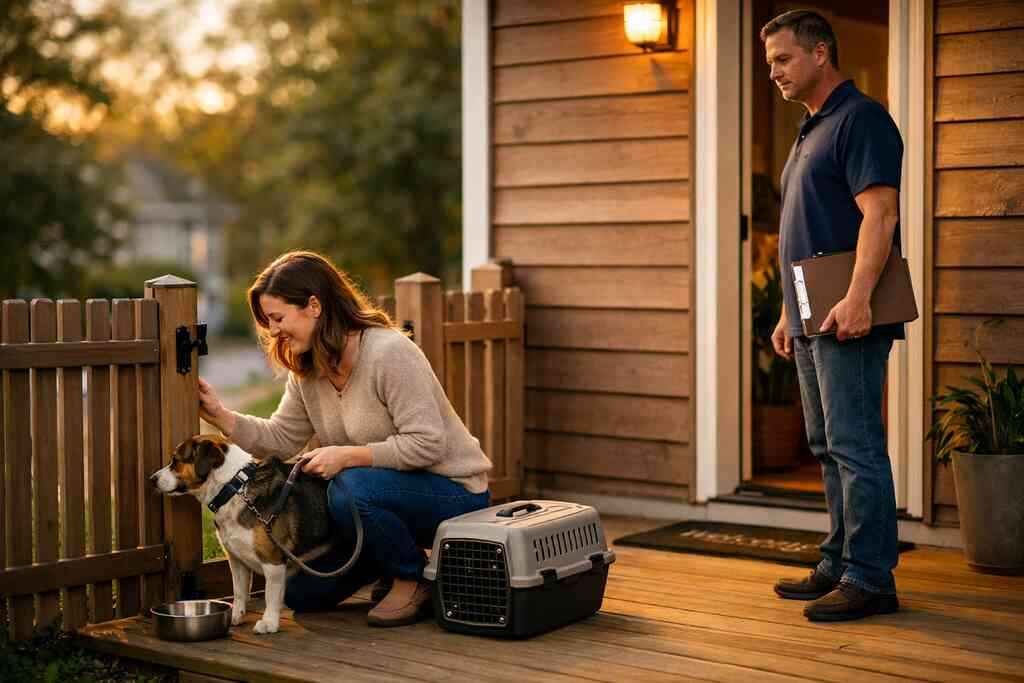
When your dog is part of the recovery plan and the lease is not
You are trying to stay sober, keep your dog close, and find housing fast. That is a hard mix. Many people leaving treatment feel the pressure immediately, especially when a landlord, house manager, or discharge planner gives different answers. If you are reading this with a crate by the door and a bag half packed, that stress makes sense. The good news is that pet-friendly sober living homes do exist, but the rules are often narrower than people expect. For a quick comparison, start with our pet-friendly sober living homes near me in 2026 guide.
What pet friendly sober living homes actually mean in practice
A sober living home is a recovery residence that offers drug-free housing and daily structure. A pet-friendly sober home usually means the house allows certain animals under written rules. Those rules often cover size, breed, vaccination records, cleanup, noise, and whether the pet can be left alone. In plain terms, “pet-friendly” does not mean “anything goes.” It means the house has decided pets can fit inside its recovery environment without violating safety or neighbor rules. Many people ask what a sober living house is, and this is part of the answer: it is housing with structure, not a free-for-all.
Here is the part most people miss. A pet-friendly house can still say no to dogs that bark often, need constant care, or trigger allergies in roommates. One client we spoke with found a room quickly, then learned the house accepted pets only in ground-floor rooms with fenced outdoor access. That small detail changed the whole search. A house can be kind and still have limits. That is not rejection; it is structure.
Where the pet rules usually live in a sober house agreement
The pet policy is usually buried inside the resident agreement, house rules, or intake packet. You may also see it in a separate addendum. Read those pages closely. They often explain pet deposits, monthly pet fees, waste cleanup, leash rules, quiet hours, and what happens if the animal becomes disruptive. Good sober living rules are specific, because vague rules create conflict later.
Many homes also spell out whether the pet can come to house meetings, shared yards, or transport with you to meetings like Alcoholics Anonymous or NA meetings. Some houses require proof of vaccination and flea prevention. Others ask for a behavior assessment or trial period. If the policy is missing, ask for it in writing before you move in. That is the safest way to avoid surprise charges or a forced move.
Why some recovery residences allow pets and others do not
A recovery residence has to balance safety, cleanliness, and roommate stability. That balance gets harder when pets enter the picture. Some homes allow pets because they know an animal can reduce isolation and support routine. Others do not because they have shared bedrooms, close quarters, or residents with allergies and trauma concerns. The decision is usually about house design and liability, not a judgment on your recovery.
You will also see different answers across men’s sober living, women’s sober living, and LGBTQ sober living homes. That is normal. The more specialized the house, the more specific the rules may be. Some faith-based recovery houses and 12-step sober living homes accept pets only in certain settings, while some holistic sober housing programs are more flexible. Always ask why the house has its rule. The reason tells you a lot about fit.
What to ask before you add a pet to a sober living search
Start with the questions that matter most. Ask whether the house accepts dogs, cats, or emotional support animals. Ask about deposits, monthly fees, cleaning duties, yard access, and roommate expectations. Ask whether the pet can stay if the resident changes rooms or shifts schedules. Ask what happens during house inspections, and ask who decides if a pet is no longer a fit. These questions are practical, not picky.
You should also ask about the surrounding setup. Is the home near a park, vet clinic, or transit line? Is there space for morning walks? Can you keep a crate or supplies in your room? If you are comparing options across states, a nationwide sober living directory for fast comparison can save time. It helps you compare details before you make a call and before your patience runs out.
The details that separate a real pet friendly sober house from a bad fit
A real pet-friendly house does more than say yes on a listing. It gives you clear rules, realistic expectations, and enough space for both recovery and animal care. That matters because early recovery is already full of pressure. You do not need a housing mismatch on top of it. The question is not just “Does this house allow pets?” The better question is “Can I live here without creating chaos for myself or my housemates?”
How to read sober living rules without missing the pet clauses
Read the rules line by line. Then read the house manual again. Pet language often hides under sections about guests, cleanliness, noise, damage, or prohibited items. If the house bans unattended animals in common areas, that may affect your work schedule. If the rules require weekly inspections, your pet will need to stay calm during them. These details matter more than polished listing photos.
A clear policy often points to a more structured home. That is a good sign. In a strong sober living program, the house rules are part of relapse prevention, not just chores. They usually cover curfews, drug testing, meeting attendance, rent timing, and respect for shared space. A pet rule that fits into that structure is easier to follow than one that appears after move-in. If you want a deeper primer, our sober living rules and requirements for new residents in 2026 guide breaks down what to expect.
Why level of care matters when you need both structure and animal care
Level of care matters because your housing must match your recovery needs and your daily load. If you are stepping down from residential treatment, you may need a house with more structure and fewer moving parts. If you are in outpatient care, you may have more flexibility. A home with a high level of structure may require more check-ins, more house meetings, and tighter curfews. That can be helpful, but only if you can still care for your pet without feeling overwhelmed.
This is where addiction treatment aftercare and housing should work together. If you are juggling medications, therapy, work, and a pet, the wrong schedule can become a trigger. In one case, a resident chose a house near the bus line because it cut commute time and made evening dog walks realistic. That small choice reduced stress. Recovery gets easier when housing fits your actual life, not a perfect version of it.
The housing setups that tend to work best for dog owners
Dog owners usually do best in houses with a little more space and a little less crowding. Private or semi-private rooms often work better than dense dorm-style setups. Ground-floor access helps. A fenced yard helps too. So does a neighborhood with sidewalks and quiet streets. If the house is strict about shared areas, your dog may need to stay mostly in your room except during approved times.
These setups tend to be easier for pet owners:
- Private or semi-private bedrooms
- Ground-floor units with outdoor access
- Fewer roommates
- Clear cleaning schedules
- Nearby walking routes
- Written pet approval before move-in
Some people do well in structured sober living with pets because the routine helps both the resident and the animal. Others need more independence. The right fit depends on your work schedule, your pet’s temperament, and how much support you still need. That is why asking detailed questions up front saves so much trouble later.
Where halfway house vs sober living changes the answer entirely
The difference between halfway house vs sober living is not just a label. It can change the pet answer completely. A halfway house often has tighter rules, more oversight, and sometimes ties to the justice system or clinical discharge planning. Many halfway houses do not allow pets because the setting is more controlled. A sober house may be more flexible, but that varies by program and state.
If you are unsure what category a listing belongs to, ask directly. Ask who runs it, what level of monitoring it uses, and whether residents must follow a written aftercare plan. If the answer is fuzzy, the house may be too. A helpful reference is our halfway house versus sober living explained today page. It helps you spot the difference before you commit.
What sober living requirements can look like for residents with pets
Pet owners still need to meet standard sober living requirements. That usually includes sobriety, curfew, rent, chores, meeting attendance, and sometimes employment or school participation. Pets do not replace those rules. In fact, pet owners may have a few more. You might need proof of vaccination, proof of flea treatment, or a signed statement that you can cover pet damage.
A good house will tell you these requirements before move-in. A sloppy house will tell you later. That difference matters. If a policy sounds like an afterthought, treat it like one. If it sounds organized and fair, that usually reflects the broader house culture too. The best homes protect recovery and respect the practical realities of life with an animal.
How to find sober living near me without getting trapped by vague listings
Searching sober living near me can feel like sorting through half-truths. One listing says pet-friendly, another says case-by-case, and a third gives you no details at all. That is frustrating when you need housing now. A strong search process cuts through the noise. It helps you compare house rules, payment options, resident types, and certification status before you call. If you want a faster path, our how to find sober living near me with addiction treatment services resource is a solid place to start. 
How a nationwide directory helps you compare sober living homes fast
A nationwide directory lets you compare homes across all 50 states without opening fifty tabs. That matters when you need to find sober living quickly and you are also trying to manage a pet move. A directory can show which homes mention pets, which offer peer support, and which accept different payment types. It can also help you filter by low-cost sober housing, structured support, and neighborhood type. The best directories do not just list names. They help you compare the actual living situation. Look for clear notes on house rules, room type, recovery support, and whether the home appears to be a certified recovery residence or part of a larger recovery network. When listings are vague, move on. Clarity saves time. ### What to look for in men’s sober living women’s sober living and LGBTQ sober living
Gender-specific homes can make a big difference in early recovery. Men’s sober living homes often focus on routine, work, and accountability. Women’s sober living homes may place more emphasis on safety, parenting needs, and trauma awareness. LGBTQ sober living homes can add identity safety and peer understanding, which matters a great deal when you are trying to stabilize. Pet policies vary in each type.
If you are comparing specialized homes, ask how pets fit into the house culture. A house can be affirming and still have strict animal rules. That is fine if the rules are clear. What you want to avoid is a listing that claims to be welcoming but does not explain the pet policy. For more detail, our LGBTQ sober living homes and peer support networks page can help you compare options with care.
Why affordable sober living matters when pet fees and deposits add up
Affordable sober living matters because pet costs add up fast. A pet deposit, first month’s rent, food, transportation, and basic vet care can stretch a tight budget. If the house also charges weekly rent, late fees, or damage fees, the math matters immediately. Some houses may look cheap until the extras appear. Others may look higher at first but end up more manageable.
Here is a simple way to compare:
- Base rent
- Pet deposit
- Monthly pet fee
- Food and supply costs
- Transportation to work or meetings
- Any cleaning or inspection fees
If you need a lower-cost option, look for low-cost sober housing with job assistance in 2026. That pairing can matter because work support often helps you keep housing stable. Recovery and money pressure often collide. The right house should make that pressure smaller, not larger.
When insurance accepted sliding scale Medicaid sober homes or private pay sober living changes the search
Payment type can decide the whole search. Some homes are insurance accepted. Some use sliding scale pricing. Some are Medicaid sober homes. Others are private pay sober living only. You need to know which category applies before you fall in love with a listing that does not fit your budget.
Ask whether pet fees are separate from rent. They usually are. Also ask whether the home accepts benefits, grants, or community referrals. If a listing says it takes insurance, verify what that means. Insurance rarely covers room and board in the way people hope, so ask for specifics. A helpful starting point is our Medicaid sober homes and sliding scale costs guide.
How to compare state licensed sober homes certified recovery residence and Oxford House options
Not every sober home has the same oversight. State-licensed sober homes are regulated by the state’s rules. A certified recovery residence often follows standards like those from the National Alliance for Recovery Residences. Oxford House is a peer-run model with its own structure and rules. These differences affect how pets are handled, because each model balances autonomy and accountability differently.
A simple comparison can help:
Housing typeOversight stylePet policy tendencyBest fitState-licensed sober homesFormal regulationVaries by housePeople who want clear rulesCertified recovery residenceStandards-basedOften clearerPeople who want structure and quality markersOxford HousePeer-runCase-specificPeople who value shared governanceIf you want to compare these models more closely, use our how to compare Oxford House and certified recovery residence guide. It can help you sort out which home style matches your routine and your pet’s needs.
The next move that keeps recovery steady when you need housing now
The best pet-friendly sober home is the one you can actually keep. That means the rent works, the rules are clear, and the daily rhythm fits your life. It also means your pet fits the house without becoming a source of conflict. If you are in early recovery, this is not the time for guesswork. A good search is calm, specific, and grounded in reality. You may not need the perfect house. You need the right one.
How to choose a sober home that fits your routine work and pet needs
Start with your actual schedule. If you work early, you need a house with a sensible curfew and morning access. If your pet needs exercise, you need safe outdoor space. If you attend meetings at night, you need transportation that works. The right house supports your routine instead of fighting it. That is how structure helps rather than suffocates.
Ask yourself these questions:
- Can I meet house rules and care for my pet daily?
- Is the location near work, meetings, or transit?
- Can I afford rent plus pet costs?
- Does the house feel calm enough for early recovery?
- Are the rules clear in writing?
Our how to choose a sober home for long-term sobriety guide walks through this decision in a practical way. It is especially useful if you feel torn between speed and fit.
Why aftercare peer support and recovery support should be part of the decision
A sober house should not be just a bed. It should be part of your aftercare plan. That means peer support, house meetings, relapse prevention, and a clear sober support network. The best homes make room for ongoing recovery work, not just rent collection. That includes Alcoholics Anonymous, NA meetings, sponsor calls, and therapy follow-through.
One resident we heard about had a dog that kept him on a walking schedule. That routine helped him get to morning meetings on time. The house also required nightly check-ins, which reduced isolation. The mix of pet care and house accountability gave his week shape. That is what good recovery housing can do when it is built well.
Where to look for job assistance sober living and long-term sobriety structure
Job assistance sober living can help if work is part of your recovery plan. Some houses help with resumes, referrals, interview prep, or scheduling around shifts. That matters because stable income often supports stable housing. It also supports long-term sobriety by reducing panic and idle time. A house with work expectations may feel demanding, but it can also build momentum.
Look for homes that are honest about structure. Ask about curfew, chores, meeting requirements, and employment expectations. Ask whether the house supports dual diagnosis needs if mental health is part of your picture. Ask whether the community is built around accountability or just proximity. Structure should feel steady, not harsh.
What to verify before you call a house whether you are in Alabama California or Texas
State rules vary, and so do local practices. Before you call a house in Alabama, California, or Texas, verify three things: pet policy, payment structure, and house requirements. Ask whether the home is licensed, certified, peer-run, or independent. Ask if there are breed restrictions or pet limits. Ask if the listing is current. Small details can save you a wasted trip.
If you want a broader search tool, Addiction Treatment Services is built to help people compare homes across the country. That can be especially useful when you need a sober living near me search that includes pets, recovery support, and payment filters. A strong directory does not make the decision for you. It makes the decision clearer. That is a real service when your energy is already stretched thin.
How to use Addiction Treatment Services to find halfway house and sober living program options that make sense
Use Addiction Treatment Services to narrow the field before you make calls. Start with the housing type you need, then filter for pet-friendly details, affordability, and recovery structure. If you are comparing a halfway house, sober house, or recovery residence, look at the rules first. Then check whether the home fits your pet, your budget, and your schedule. That order saves time and cuts down on disappointment.
The most useful next step is simple. Pick three listings, write down the pet questions, and ask each house the same way. Keep notes on rent, deposits, rules, and support. You do not have to solve every part of this today. Start with one call, then keep moving.
Frequently Asked Questions
Question: What is a sober living house, and how do pet-friendly sober homes work within a recovery residence?
Answer: A sober living house is a drug-free housing option that provides structure, accountability, and peer support for people in addiction recovery. In practice, pet-friendly sober homes are recovery residences that allow certain animals under written sober living rules, which may include pet deposits, vaccination records, cleaning duties, noise limits, and roommate agreements. At Addiction Treatment Services, we help you understand the difference between a general sober house and a pet-friendly option so you can find sober living that fits both your recovery needs and your responsibilities as a pet owner. Because every house is different, we encourage people to review the resident agreement carefully and ask about the level of care, aftercare expectations, and whether the home is a certified recovery residence or another type of structured sober living.
Question: How can Addiction Treatment Services help me find sober living near me, including Best Pet Friendly Sober Living Homes Near Me in 2026?
Answer: Our guide to Best Pet Friendly Sober Living Homes Near Me in 2026 is designed to help you compare sober living homes quickly and more confidently. Addiction Treatment Services offers a nationwide directory across all 50 states, so you can search for sober living near me options without relying on vague listings or outdated details. We focus on clear information about sober living program structure, pet policies, affordability, and recovery support so you can evaluate whether a home is a good fit before you call. If you are looking for transitional housing, halfway house options, or a sober house with room for your dog or cat, our directory makes it easier to compare choices side by side and find a sober community that supports long-term sobriety.
Question: What should I look for in affordable sober living if I need a pet-friendly house and I am worried about cost?
Answer: If affordability is a concern, it is important to look beyond the monthly rent and ask about pet deposits, pet fees, cleaning charges, and any extra move-in costs. Affordable sober living can still vary widely, especially if the home is private pay sober living, insurance accepted, sliding scale, or Medicaid sober homes. Addiction Treatment Services helps people compare these details so they can avoid surprises. We also encourage asking whether the home offers job assistance sober living support, because employment can help stabilize housing and support addiction treatment aftercare. When you are balancing rent, pet care, and recovery needs, a clear comparison can make the difference between a stressful move and a workable plan.
Question: How do halfway house vs sober living options differ, and which one is more likely to allow pets?
Answer: Halfway house vs sober living is an important distinction because the rules, oversight, and flexibility can be very different. A halfway house often has more formal supervision and may be tied to a court, treatment, or reentry setting, while a sober living home or recovery residence may offer more independence with clear sober living requirements. Pet policies are not the same across every program, but sober living homes are generally more likely than halfway houses to consider pet-friendly arrangements. That said, each house is unique, and some will still have restrictions based on size, breed, shared rooms, or neighborhood rules. Addiction Treatment Services helps you find halfway house and sober living options with the information you need to make a careful, informed choice instead of guessing from a listing title alone.
Question: Do you list men’s sober living, women’s sober living, LGBTQ sober living, and specialized options like Veterans sober living or college student sober living?
Answer: Yes, our directory is built to help people compare a wide range of recovery housing options, including men’s sober living, women’s sober living, LGBTQ sober living, Veterans sober living, college student sober living, executive sober living, and even luxury sober living when available. Different communities may have different expectations around peer support, sober environment structure, and house culture, so it is important to match the home to your needs, your level of care, and your recovery goals. Some homes may also focus on 12-step sober living, faith-based recovery, or holistic sober housing. Addiction Treatment Services helps you review those differences in one place so you can choose a sober support network that feels safe, practical, and aligned with your recovery journey.
Question: How do I know whether a sober house is a strong fit for addiction recovery and relapse prevention?
Answer: A strong fit usually means the house offers clear sober living rules, realistic sober living requirements, and a structure that supports relapse prevention without feeling overwhelming. Look for basics like curfew, meeting attendance, rent expectations, chores, guest policies, and whether the home encourages Alcoholics Anonymous or NA meetings as part of its sober living program. It also helps to ask how the residence supports peer support, recovery support, and addiction recovery after discharge from treatment. Addiction Treatment Services is here to help you compare options thoughtfully so you can find a sober house that matches your daily routine, your budget, and your recovery support needs. We do not promise outcomes, but we do make the search for trustworthy recovery resources much clearer and less stressful.