



Opening the Evergreen Gate to Washington Addiction Treatment
Understanding substance use disorders in the Pacific Northwest
The Pacific Northwest’s rugged beauty can mask the rising challenge of substance use disorders sweeping coastal cities and rural logging towns alike. Opioids, methamphetamine, and high-potency alcohol remain the primary drivers, yet emerging fentanyl trends add urgency to every conversation. Washington addiction treatment services comparison data shows that access gaps still widen between urban King County and remote Olympic Peninsula communities. Families often notice escalating withdrawal symptoms before a loved one recognizes the need for professional help. By understanding regional pressures-seasonal employment swings, dense maritime traffic, and cross-state migration-residents can better frame the first step toward recovery.
Native fisheries workers, tech commuters, and college athletes share a common risk when stress meets unaddressed trauma. Co-occurring mental health conditions frequently fuel substance misuse, making integrated behavioral health services essential rather than optional. Recent research into the neuroscience of craving, summarized in the Overview of addiction science, clarifies why willpower alone rarely secures lasting change. Holistic clinicians now pair medication-assisted treatment with cognitive strategies tailored to Pacific Northwest lifestyles, whether that means rain-soaked trail runs or ferry commutes. Such evidence-based nuance sets Washington’s most trusted addiction treatment centers apart from one-size-fits-all programs.
From first step detoxification services to sustained recovery support
Detoxification services remain the critical gateway for many Washingtonians who cannot safely quit cold turkey due to severe withdrawal symptoms. Medically monitored detox units in Yakima and Tacoma deploy buprenorphine, methadone, or gradual taper protocols, ensuring early intervention without unnecessary discomfort. Once the body stabilizes, the recovery process transitions into residential treatment or an intensive outpatient program, depending on clinical assessment and home stability. Clients learn relapse prevention skills, ranging from mindfulness to contingency management, all while clinicians monitor physical and mental health markers. This continuum of care reduces emergency-room cycling and promotes sustainable behavioral change.
Long-term success hinges on recovery support services extending far beyond a thirty-day stay. Peer mentors, alumni groups, and virtual counseling platforms now bridge the rugged Cascades, allowing residents of Forks or Walla Walla to access psychotherapy approaches for co-occurring disorders without marathon drives. Outpatient treatment schedules flex around fishing seasons, harvest periods, and tech sprints, proving that personalized planning improves adherence. Families engage through structured educational workshops, learning practical ways to de-escalate crisis moments and encourage medication compliance. Ultimately, Washington’s layered approach treats substance misuse as a chronic condition requiring adaptive management, not a one-time fix.
How the Addiction Treatment Services directory simplifies the search near you
Finding addiction treatment services near me used to mean scrolling endless pages or relying on outdated brochures. The Locate nearby addiction treatment services directory resolves that frustration by curating verified treatment facilities statewide. Users filter by medication-assisted treatment, gender-specific housing, tribal affiliation, or insurance network, ensuring the match aligns with clinical and cultural needs. Each listing details detox capacity, outpatient care hours, and residential treatment bed availability, replacing guesswork with clarity. Geolocation tools even map travel distances during winter storm advisories, giving families realistic timelines.
Beyond logistics, the directory highlights outcome metrics, staff credentials, and patient testimonials for every treatment facility. Interactive checklists guide visitors through insurance pre-authorization, FMLA paperwork, and family member visitation policies. When a crisis hits at two in the morning, round-the-clock chat advisers translate medical jargon into actionable next steps. Compared with word-of-mouth recommendations alone, this data-driven platform accelerates informed decision-making while preserving privacy. In a region where minutes matter, streamlined access can transform hesitation into lifesaving momentum.
 Comparative Compass Five Distinct Recovery Paths Across Washington
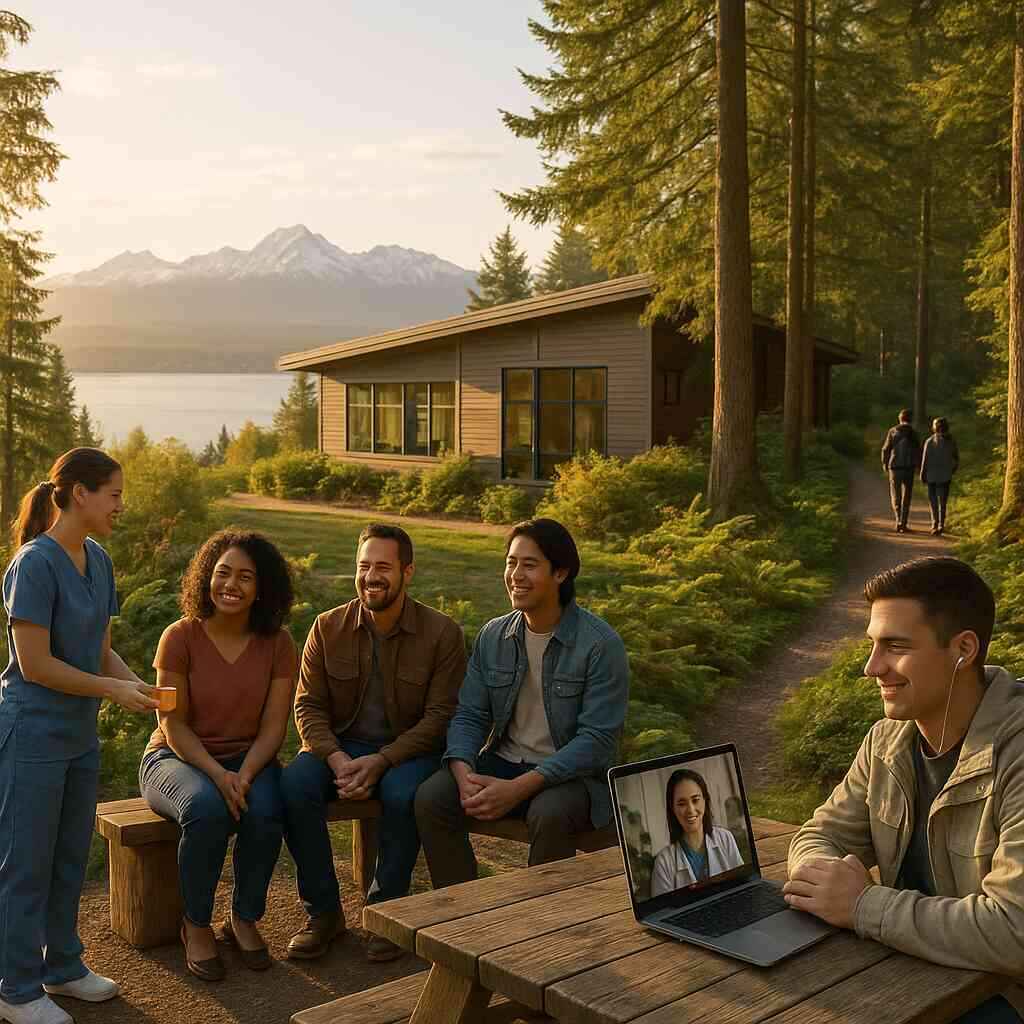 Comparative Compass Five Distinct Recovery Paths Across Washington
Medication assisted treatment hubs anchoring Seattle outpatient addiction care
Seattle’s medical corridor now hosts multiple medication-assisted treatment hubs that blend science and compassion. Certified clinicians dispense buprenorphine or methadone while monitoring vital signs that flag dangerous withdrawal symptoms. Because these programs remain rooted in outpatient care, commuters can attend dosing appointments before work and still manage family obligations. Addiction treatment services directories highlight nearby pharmacies that coordinate refills, reducing missed doses and spikes in cravings. Each clinic also offers an intensive outpatient program track, ensuring seamless escalation if substance use disorders suddenly intensify.
Beyond pharmacotherapy, staff weave motivational interviewing with contingency management to address behavior patterns that fuel relapse. Educational groups explore how dopamine pathways interact with trauma, empowering clients to recognize internal cues. Seattle outpatient addiction care leaders now partner with primary care offices to treat hepatitis C, depression, and chronic pain concurrently. That wraparound model exemplifies the medication-assisted treatment Washington residents increasingly demand. By minimizing stigma and maximizing convenience, these hubs transform a first step into sustainable progress.
Residential mountain retreats and Spokane rehab centers for immersive healing
Eastern Washington’s pine-scented mountain retreats invite participants to unplug from daily chaos and immerse themselves in structured healing. Residential treatment teams limit digital access, allowing brain chemistry to recalibrate without constant notifications. Clients rise early for mindfulness hikes, then attend cognitive-behavioral workshops that target thought loops driving drug addiction. Evening circles focus on family member dynamics, rehearsing boundary-setting scripts before eventual reintegration.
Spokane residential rehab centers complement this tranquility with robust medical oversight. On-site nurses manage complex medication schedules, ensuring co-occurring disorders remain stable throughout detoxification services and subsequent therapy. Trauma-informed yoga, art therapy, and equine interactions reinforce new neural pathways outside traditional talk sessions. Treatment facilities also stream educational webinars for loved ones, covering relapse prevention and post-discharge planning. Graduates leave with personalized aftercare blueprints listing local outpatient treatment options, alumni support groups, and emergency hotlines.
Dual diagnosis and integrated behavioral health programs in Tacoma and beyond
Tacoma specialists have engineered dual diagnosis treatment programs in Washington that merge psychiatric expertise with addiction recovery services. Intake teams conduct comprehensive assessments, mapping mood disorders, PTSD histories, and neurodevelopmental conditions alongside substance misuse timelines. Integrated behavioral health services then deploy dialectical behavior therapy for emotional regulation while psychiatrists fine-tune antidepressant or antipsychotic regimens. This synchronized approach eliminates fragmented care that often derails progress.
Group sessions teach clients to question cognitive distortions that trigger cravings when anxiety spikes. Peer mentors share lived experience, illustrating how consistent medication adherence and mindful breathing can outmaneuver panic spirals. Surrounding Pierce County clinics adopt similar models, proving scalable quality doesn’t require metro-only resources. Telepsychiatry rounds extend coverage to Gig Harbor and Puyallup, ensuring rural clients receive equal mental health services without exhausting travel budgets. Data dashboards track symptom reduction and substance use frequency, feeding continuous improvement loops grounded in evidence.
Holistic eco therapy and faith based drug rehab options along the Olympic Peninsula
The Olympic Peninsula’s towering evergreens and crashing surf create fertile ground for holistic drug rehab in Washington state explorers. Eco-therapy counselors lead silent forest baths where participants practice grounding techniques that regulate the autonomic nervous system. Nutritional workshops prioritize wild-caught salmon and seasonal produce, reinforcing anti-inflammatory diets that support neurotransmitter balance. Acupuncture sessions ease lingering muscle tension from earlier withdrawal milestones, while Reiki practitioners guide clients toward somatic awareness.
Faith-based rehab programs that Washington congregations sponsor add spiritual scaffolding for those seeking meaning beyond sobriety metrics. Morning devotionals blend scripture with cognitive reframing exercises, demonstrating compatibility between theology and psychology. Interfaith chaplains respect diverse belief systems, ensuring no attendee feels excluded. Community service outings, such as beach clean-ups and elder gardening projects, anchor recovery in altruism, strengthening protective factors against relapse. Families often report that these values-centric models spark deeper dialogues than previous clinical interventions alone.
Intensive outpatient and telehealth hybrids connecting urban and rural communities
Washington’s rugged geography once forced residents of Forks or Colville to relocate for specialized care. Intensive outpatient and telehealth hybrids now erase that barrier, streaming evidence-based curricula straight into living rooms. Clients log in thrice weekly for cognitive-behavioral therapy, skills practice, and urine toxicology verification, all while maintaining employment. Digital breakout rooms simulate in-person small groups, fostering camaraderie across county lines.
Telehealth addiction counseling Washington regulations mandate strict HIPAA compliance, safeguarding privacy even on slower rural broadband. Providers mail medication lockboxes and instant glucometers to diabetic participants, proving chronic disease management can coexist with addiction treatment services near me searches. Rural Washington addiction care access metrics have improved, with fewer emergency department visits reported since the hybrid rollout. When an unexpected power outage hits, practitioners switch to phone support, ensuring continuity. This flexibility exemplifies how technology amplifies human connection rather than replacing it.
Cost transparency insurance navigation and evidence based outcome metrics
Families often fear hidden fees more than detox discomfort. Leading treatment programs publish sliding-scale rates and Washington state insurance coverage for rehab charts on intake packets. Financial counselors then pre-verify policies, decoding out-of-network clauses before admission. Clear figures enable informed consent and prevent mid-program billing shocks that sabotage focus.
Outcome dashboards display retention rates, negative toxicology percentages, and employment status six months post-discharge, aligning with evidence-based outcome metrics. Facilities that fall below benchmarks must outline corrective actions during quarterly reviews. Independent auditors validate data, bolstering trust among skeptical consumers researching addiction treatment near you. Additionally, alumni associations showcase apartments featuring the Latest sober living innovations in Washington, such as biometric door locks and peer-led meditation studios. Transparent numbers paired with forward-thinking amenities reassure stakeholders that every dollar invested supports measurable recovery dividends.
Evergreen Afterglow Sustaining Progress Beyond Primary Treatment
Family involvement peer recovery support and tribal resources
Loved ones often witness signs of relapse long before a clinician can intervene, making family involvement in addiction recovery in WA indispensable. Parents and partners learn to spot subtle mood shifts, then consult the resource on Signs of withdrawal and early intervention guidance for practical checklists. Together they develop calm communication scripts that reduce blame and encourage early intervention for substance abuse in Washington efforts. Clinicians also invite relatives into trauma-informed education groups, where they practice boundary-setting while reinforcing medication adherence. This cooperative dynamic strengthens protective factors and reduces readmission risk.
Peer recovery support extends beyond household walls and reaches sovereign nations across the Northwest. Tribal addiction treatment resources Washington elders facilitate talking-circle gatherings that honor cultural values while addressing substance misuse. Certified peer coaches, many in long-term recovery, model everyday coping strategies and accompany members to clinic appointments when transportation falters. Their lived experience builds trust faster than clinical credentials alone, especially in rural villages. Consequently, treatment programs report higher engagement and lower premature discharge rates.
Relapse prevention strategies from 12 step to non 12 step meetings statewide
Time-tested mutual aid still anchors many relapse prevention resources that Washington residents rely on. Individuals who thrive on structure can find local AA 12-step meetings in Washington and secure nightly accountability almost anywhere. Meeting chairs emphasize spiritual growth, yet members set personal pace, ensuring inclusivity for newcomers wary of dogma. Sponsors share emergency phone numbers, providing real-time coaching when cravings surge after work. This immediate support complements formal outpatient care, reinforcing neural pathways that favor abstinence.
Other participants prefer science-based or secular frameworks, so clinicians introduce the Top relapse prevention techniques by ATS, blending cognitive rehearsal with mindfulness. These non 12-step recovery options Washington groups dissect high-risk scenarios through role-play, converting theoretical plans into muscle memory. Members track triggers in digital journals, which therapists review during weekly check-ins. Data driven feedback shows reduced craving intensity after six weeks. Such measurable progress motivates continued attendance, even after employment resumes full throttle.
Leveraging telehealth counseling and rural access models for ongoing care
Digital innovation narrows the gap between Cascade foothills and Puget Sound clinics. Platforms inspired by Futuristic intensive outpatient models near you schedule cognitive-behavioral sessions around harvest seasons and logging shifts. Telehealth addiction counseling Washington providers use end-to-end encryption, respecting HIPAA while maintaining therapeutic rapport through high definition video. Clients upload saliva test photos that verify abstinence, allowing swift medication refills without highway travel. As a result, rural Washington addiction care access metrics continue to improve.
Satellite broadband can flicker during storms, yet programs adapt with redundant phone coaching and mailed workbooks. Community libraries designate private rooms for virtual appointments, eliminating connectivity inequities. Peer mentors host moderated group chats, providing camaraderie between scheduled sessions. In turn, clients feel seen rather than isolated, boosting retention through challenging weeks. Flexibility proves that technology amplifies rather than replaces human compassion.
Mapping your next move with the Addiction Treatment Services near me directory
Graduation from primary treatment marks a milestone, not a finish line. The Addiction Treatment Services near me directory lists outpatient treatment calendars, alumni networks, and Top sober house transitional living resources updated weekly. By filtering for gender-specific housing or veterans benefits, users craft personalized continuums of care within minutes. Each listing displays public transit routes and estimated monthly costs, eliminating guesswork that can stall progress. Clear comparisons empower decisive action before motivation wanes.
Finally, the directory’s geolocation alerts flag new recovery meetings within a ten-mile radius, ensuring support communities stay fresh. Push notifications remind members to renew medication-assisted treatment prescriptions and schedule dental checkups often neglected during active use. Families receive separate dashboards that track appointment attendance without exposing confidential session notes. These tools create shared accountability while respecting privacy boundaries. With such strategic guidance, every step after treatment feels intentional rather than improvised.
Frequently Asked Questions
 Frequently Asked Questions
Question: How does Addiction Treatment Services help me compare the 5 addiction treatment paths highlighted in Compare 5 Addiction Treatment Services Paths in Washington?
Answer: Our addiction treatment services directory gives you a side-by-side snapshot of each path-medication-assisted treatment hubs, Spokane residential rehab centers, dual diagnosis programs, holistic eco-therapy retreats, and intensive outpatient/telehealth hybrids. You can filter by detoxification services, outpatient care hours, gender-specific housing, tribal resources, or veterans benefits, then review outcome metrics, staff credentials, and real-time bed availability. Because every listing is vetted, you avoid outdated or sales-driven information and can confidently choose the treatment facility that matches your clinical needs, insurance plan, and recovery goals.
Question: What factors should I weigh when deciding between Seattle outpatient addiction care and Spokane residential rehab centers?
Answer: Start by assessing withdrawal symptoms severity and home stability. If you require daily medication-assisted treatment Washington programs offer such services as buprenorphine dosing before work-Seattle outpatient addiction care may be ideal. You’ll maintain employment and family routines while receiving intensive outpatient program counseling three to five days a week. Conversely, if you need a digital detox, 24/7 medical monitoring, or relief from local triggers, Spokane residential rehab centers provide immersive healing with trauma-informed yoga, equine therapy, and on-site nurses. Our site compares cost, insurance acceptance, and evidence-based addiction therapies Washington clinicians use, helping you balance medical necessity, personal preference, and budget.
Question: Can Addiction Treatment Services guide me through Washington state insurance coverage for rehab and cost transparency?
Answer: Absolutely. Each addiction treatment center profile lists published fees, sliding-scale options, and whether they accept Medicaid, private PPO/HMO, or TRICARE. Our financial counselors pre-verify benefits, break down deductibles, and clarify out-of-network clauses before you sign any paperwork, so there are no mid-program billing surprises. We also flag facilities that post evidence-based outcome metrics-like retention rates and negative toxicology percentages-ensuring you see the value behind every dollar spent on addiction treatment near you.
Question: How do telehealth addiction counseling Washington services integrate relapse prevention resources and family involvement in addiction recovery in Washington?
Answer: Telehealth platforms extend King County behavioral health services across rural Washington addiction care access zones. Clients attend cognitive-behavioral therapy, medication management check-ins, and peer-led relapse prevention groups from home. Encrypted video visits include family education segments, teaching loved ones early intervention substance abuse warning signs and calm communication techniques. If the internet drops, redundant phone coaching keeps sessions on track. Push notifications remind you to attend 12-step meetings in Washington near me or non-12-step recovery options in Washington, reinforcing accountability long after primary treatment ends.