



From Badlands to New Beginnings: Tracing the Pulse of Addiction Treatment Services in South Dakota
Rural realities and the search for addiction treatment services near you
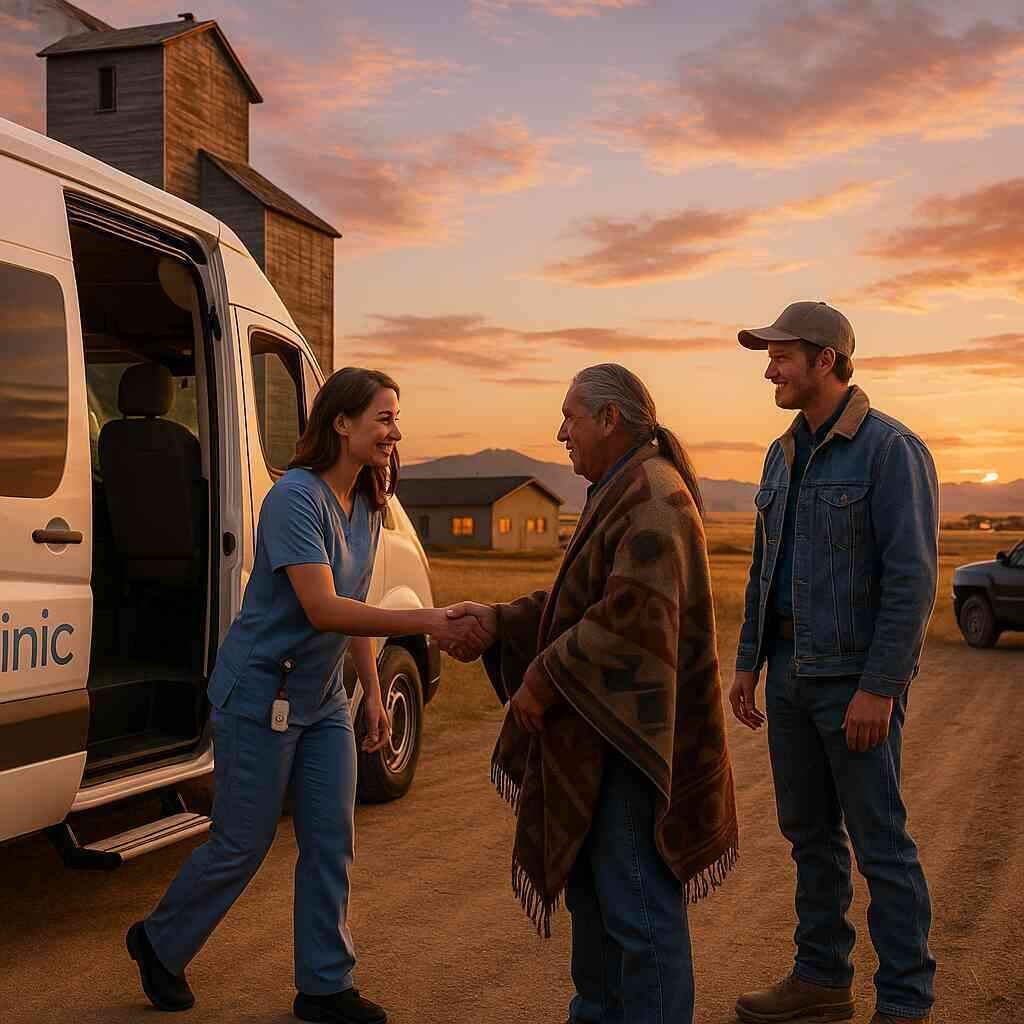
South Dakota’s landscape dazzles with granite spires and endless wheat fields, yet those same miles create treatment deserts. Families in Faith, Kadoka, or Lemmon often drive hours before spotting a clinic sign, so the phrase “addiction treatment services near you” can feel painfully ironic. Nevertheless, hope travels faster than gossip along two-lane highways, because virtual screenings, traveling counselors, and county partnerships now shorten that distance. Consequently, residents exploring find addiction providers near your South Dakota county discover telehealth intakes, mobile Medication-Assisted Treatment vans, and culturally informed peer coaches arriving weekly. Moreover, robust mapping tools within the addiction treatment services directory let users filter by South Dakota rural detox options, insurance type, and crisis availability in seconds.
Frontier realities also demand innovative logistics once a loved one says, “I’m ready.” Snow can close interstate stretches without warning, yet withdrawal symptoms refuse to wait. Therefore, several drug rehab centers in Rapid City launched coordinated ride-share vouchers and farm-pick-up detox shuttles. Meanwhile, local sheriff departments increasingly carry naloxone, bridging the gap until professional behavioral health services arrive. Furthermore, rural hospitals are leaning on virtual addictionologists who guide emergency staff through medication protocols when no on-site specialist exists. Finally, community coalitions now host rotating AA and NA meetings in grain elevators, hardware stores, and tribal chapter houses, proving recovery speaks every dialect of South Dakota life.
Substance use disorders amid frontier culture and shifting demographics
The mythic image of neighborly towns sometimes hides the data: substance use disorders in South Dakota parallel national averages and, for methamphetamine, often surpass them. Younger ranch hands experiment to endure fourteen-hour harvest shifts; older veterans self-medicate winter depression; and grandparents still cope with historical trauma. Additionally, shifting demographics bring seasonal workers, pipeline crews, and tourists, each carrying unique risk factors that strain the limited behavioral health expansion of Great Plains initiatives. Yet acknowledgment grows that addiction treatment services in South Dakota must respect both Lakota ceremonial traditions and Norwegian-American stoicism.
Changing population patterns also reshape treatment demand. Sioux Falls’ booming workforce fuels apartment complexes where fentanyl pills circulate, while reservations confront synthetic opioid clusters never previously seen. Consequently, treatment programs now weave cultural humility and bilingual outreach into every brochure. Dual diagnosis care Black Hills region facilities integrate PTSD therapy for veterans besides adolescent substance abuse counseling South Dakota parents crave. Equally important, tribal nations’ recovery support services collaborate with state-funded residential treatment facilities, creating referral pipelines that honor both sovereignty and medical best practices.
Why South Dakota’s question is not if care can grow but how fast it must
Across the prairie, conversations have shifted from “Do we need more services?” to “How soon can we staff them?” Statistical models predict rising opioid overdoses unless intervention accelerates, underscoring an urgent timetable. Furthermore, employers recognize that untreated substance misuse shrinks their workforce, so chambers of commerce now lobby for insurance coverage for rehab in SD. Likewise, college campus recovery programs aim to protect tuition investments by preventing student dropouts linked to addiction.
Momentum builds on several fronts. Medicaid-assisted rehab enrollment expanded, and private carriers reimburse tele-MAT at parity, unleashing previously suppressed demand. Additionally, bipartisan lawmakers champion state grants that support frontier community sober living homes and withdrawal management services that Pierre cannot provide alone. Finally, relapse prevention groups in Sioux Falls harness digital platforms, delivering mentorship that transcends county lines. Collectively, these developments confirm that the real issue is scaling infrastructure quickly enough to match every person’s readiness for change.
Mapping the Current Prairie Network of Care
Drug rehab centers in Rapid City and the rise of Sioux Falls outpatient treatment programs
Rapid City anchors the western edge of this network, where drug rehab centers that Rapid City residents trust now offer same-day assessments. These facilities pair evidence-based counseling with medication-assisted treatment availability in SD, ensuring meth or opioid cravings meet immediate medical response. Meanwhile, clinicians collaborate with local employers so night-shift workers can attend evening sessions without risking paychecks. This flexibility keeps early intervention for meth addiction in SD on pace with work schedules, ranch chores, and seasonal tourism spikes.
Across the plains, Sioux Falls outpatient treatment programs flourish inside medical malls, community colleges, and converted storefronts. Their intensive outpatient program schedules run morning and evening tracks, supporting single parents and college students alike. Each site integrates dual diagnosis care Black Hills region protocols, addressing depression, PTSD, or anxiety alongside substance misuse. Telehealth platforms extend these services statewide, reducing no-show rates from remote counties. As a result, addiction treatment services near you feel attainable even from far-flung farmsteads.
State-funded residential treatment facilities and Medicaid-assisted rehab enrollment
State-funded residential treatment South Dakota centers bridge the critical gap when outpatient care proves insufficient. These programs emphasize trauma-informed therapy, cognitive-behavioral strategies, and robust relapse prevention curricula built on peer community. Residents progress through therapeutic phases, practicing coping skills before returning home to unpredictable triggers. Family member involvement is highly encouraged, with weekend psychoeducation sessions demystifying withdrawal symptoms and recovery expectations.
Recent policy changes expanded Medicaid-assisted rehab enrollment, easing financial strain for households at or below the median income. Care coordinators now pre-authorize detoxification services within hours, eliminating historic waitlists. Because coverage spans fifteen to thirty days of residential treatment, clinicians can individualize the length of stay based on progress rather than arbitrary caps. Moreover, outpatient care follows discharge automatically, ensuring the first step inside a treatment facility connects smoothly to continued recovery support services.
Tribal nations’ recovery support services and culturally rooted behavioral health expansion
Lakota, Dakota, and Nakota communities cultivate recovery services that honor ceremony, language, and historical resilience. Sweat lodges, talking circles, and traditional foods intertwine with evidence-based rehab methods, reinforcing cultural identity during sobriety journeys. Tribal counselors receive certification in motivational interviewing and trauma-focused cognitive therapy, blending Western best practices with ancestral healing protocols. Behavioral health expansion Great Plains initiatives fund mobile therapy teams crossing reservation borders weekly.
Collaboration between tribal clinics and larger treatment centers streamlines referrals for detoxification or dual diagnosis care. Memoranda of understanding protect sovereignty while securing access to specialized medical detox equipment located off-reservation. Additionally, locate NA meetings near tribal lands partnerships guarantee ninety-day schedules are printed in Lakota and English, fostering peer bonds beyond clinical walls. Such integrated strategies boost retention rates and counter historical mistrust of outside healthcare systems.
Veterans, adolescents, and college campus recovery programs are filling critical gaps
South Dakota’s veteran population faces elevated PTSD and substance use disorder risks after deployments. VA-affiliated outpatient clinics now embed addiction specialists who understand military culture and medication interactions. Peer mentors-often retired service members-facilitate group sessions on moral injury, gently challenging guilt narratives that fuel alcohol misuse. Tele-MAT options let rural veterans receive buprenorphine refills without lengthy travel, preserving treatment momentum during harsh weather.
Adolescent substance abuse counseling in South Dakota families seeks blended adventure therapy with digital cognitive-behavioral modules. Wilderness excursions in the Black Hills teach resilience, while weekly online sessions reinforce coping skills at home. At the same time, college campus recovery programs at SD colleges sponsor sober dorms, mindfulness workshops, and academic accommodations for students in early recovery. Faculty allies undergo training to recognize signs of withdrawal in classroom settings, initiating early intervention before grades slip.
Frontier community sober living homes and withdrawal management services in Pierre
Small-town stigma once forced newly sober individuals back into unsafe environments, but frontier community sober living homes now offer safer options. These residences set curfews, random drug screens, and mandatory attendance at 12-step meetings availability in SD locations. House managers coordinate with local employers to secure job placements, reinforcing accountability. The role of sober housing in long-term recovery proves vital, as peer accountability dampens relapse triggers common during reentry into daily life.
Pierre’s hospital network recently launched withdrawal management services that Pierre residents can access without prior appointment. Nurses use medical protocols for safe drug detoxification, administering comfort medications and monitoring vitals every fifteen minutes. Once stabilized, patients transition directly to outpatient treatment or residential beds, minimizing dropout risk. Coordination with statewide transportation grants ensures no patient is stranded after discharge, affirming that geography no longer dictates destiny in South Dakota’s evolving recovery landscape.
 Seeds of Innovation Driving Care Expansion
 Seeds of Innovation Driving Care Expansion
Telehealth addiction treatment services extending reach across wide-open counties
Satellite dishes now rival grain silos on many ranches, and their signals carry hope instead of harvest prices. Clinicians conduct video intakes that document substance use disorders while cattle low in the background. Using secure portals, patients sign consent forms, upload insurance details, and receive pharmacy orders within minutes. This virtual workflow means a first step toward recovery no longer waits for a weather window. Addiction Treatment Services coordinates platform training for rural nurses, ensuring telehealth sessions resemble in-person warmth rather than sterile screens.
The newest telehealth addiction treatment services South Dakota clinics deploy also include remote drug testing kits. Users activate cameras, record saliva collection, and overnight the sample, satisfying compliance rules for medication-assisted therapy. Counselors then adjust buprenorphine dosages based on data rather than guesswork. Text reminders encourage attendance, while an algorithm identifies concerning gaps and alerts peer coaches instantly. These digital check-ins cut dropout rates by almost half, especially during January blizzards and planting season chaos.
Medication-assisted treatment availability and dual diagnosis care in the Black Hills
When pine crests cast long shadows over Rapid Creek, cravings often feel equally dark. Medication-assisted treatment availability in SD facilities offer brings chemical daylight into that darkness. Physicians prescribe buprenorphine or extended-release naltrexone from clinics tucked between gold-rush landmarks. Pharmacists deliver medications weekly to reservation outposts, aligning with local ceremony schedules. Such coordination respects culture while attacking opioid receptors with precision science.
Dual diagnosis care Black Hills region therapists champion addresses trauma, depression, and anxiety alongside substance pathology. They use equine therapy, EMDR, and dialectical behavior skills inside the same treatment plan. Patients learn how brain circuitry interacts with memory and mood, preventing symptom ping-pong between clinics. Because counselors share electronic charts, medication changes automatically flag mental health status reviews. Integrated notes keep relapse predators visible, enabling swift countermeasures before despair gains traction.
Early intervention for meth and opioid use disorder and faith-based rehab programs
Every meth binge begins somewhere, often in a machinery shed with music echoing across fields. Early intervention for meth addiction SD initiatives aim to meet people before that echo turns siren. School nurses distribute pocket cards describing sensory hallucinations as signs of impending psychosis. Community paramedics follow up within twenty-four hours, offering opioid use disorder treatment near me in South Dakota tools as well. When residents accept, a ride arrives before reconsideration wastes the window.
Faith-based rehab programs Dakota territory congregations support adding spiritual scaffolding to biomedical care. Ministers collaborate with addictionologists, ensuring sermons avoid shame and uplift neurochemical understanding. Baptismal vows accompany urine screens, a pairing that surprises outsiders yet comforts multigenerational ranch families. Because referrals flow both directions, medical teams respect pastoral confidentiality while tracking dosage adherence. This alliance widens entry points, so individuals hear the recovery message through pews, podcasts, or prescription labels.
Relapse prevention groups, 12-step meeting availability, and post-treatment recovery support
Finishing detox feels triumphant, yet relapse stirs quietly once congratulations fade. Relapse prevention groups Sioux Falls therapists facilitate meetings in coffee shops, libraries, and virtual chat rooms. Members dissect thought distortions, practice urge-surfing, and schedule accountability calls before risky events. Skill drills continue long after formal discharge, turning relapse plans into reflexes. Data show participants double their employment retention compared with peers lacking ongoing cognitive rehearsal.
Broader 12-step meetings availability SD volunteers coordinate fills rural calendars that once listed only bingo. Zoom options include closed Lakota language groups, sheltering cultural nuances within safe digital walls. Post-treatment recovery support in South Dakota initiatives offer gym memberships, legal aid clinics, and parenting classes. When newcomers ask for direction, sponsors open the Addiction Treatment Services directory on their phones. One tap reveals mentoring hotlines, sober living vacancies, and scholarship forms, keeping support circuits unbroken.
Insurance coverage shifts, state grants, and the expansion of harm reduction services
Policy winds have finally shifted toward compassion, and insurance coverage for rehab in SD reflects that change. Most private plans now treat medication-assisted therapy like insulin, eliminating tiers that once blocked access. State grants complement these reforms, underwriting mobile syringe exchanges and overdose education caravans. Harm reduction services SD advocates lead distribute fentanyl test strips at county fairs, demonstrating pragmatism without surrendering hope. Collectively, these mechanisms shorten treatment waitlists and shrink infectious disease outbreaks in tandem.
Funding also links Dakota borders, allowing residents to tap neighboring recovery resources in North Dakota when local beds fill. Reciprocal agreements reimburse cross-state stays and streamline prescription monitoring, curbing doctor shopping. Grant writers consult county sheriffs and tribal councils to prioritize naloxone caches at the busiest highway exits. Data dashboards show overdose clusters shrinking where outreach vans park weekly. Success stories then fuel the legislative appetite for additional appropriations, creating a virtuous funding loop.
Harvesting Hope Building a Resilient Recovery Ecosystem for the Dakota Territory
Integrating mental health and addiction treatment for a seamless continuum of care
Addiction rarely travels alone across the prairie; anxiety, trauma, and depression often ride beside it. South Dakota’s leading clinicians now insist that behavioral health and substance use must merge into one roadmap. They coordinate treatment plans that list psychiatric appointments next to medication-assisted therapy refills rather than on separate calendars. That coordination reflects lessons gleaned from integrated mental health and SUD care strategies on the Colorado plains. By studying neighboring successes, local teams refine staffing models, electronic records, and insurance coding protocols. The result is a seamless continuum where a panic attack triggers immediate counseling, not dangerous self-medication. Patients report feeling seen as whole people instead of fragmented diagnoses.
Dual diagnosis still intimidates many rural providers, yet South Dakota refuses to accept outdated silos. Regional webinars invite psychiatrists, nurses, and peer coaches to practice collaborative note-sharing in real time. Speakers highlight how dual diagnosis care access in Minnesota reduced rehospitalizations and slashed travel burdens. Those numbers ignite friendly competition among Dakota clinics intent on matching or exceeding results. Shared dashboards now track both mood stability and cravings, signaling staff before either metric derails treatment progress. Families gain confidence when they see anxiety curves flatten beside sobriety milestones. Integrated metrics build hope and accountability simultaneously.
Leveraging the Addiction Treatment Services directory as the first step for families and providers
Even the most motivated relatives can freeze when medical jargon collides with crisis urgency. The Addiction Treatment Services directory melts that paralysis by translating clinical data into plain steps. Search filters explain levels of care and link to concise definitions of addiction and dependency, clarifying next moves. Users toggle distance, insurance, and specialty fields until one clear path appears on the screen. This simplicity often turns hesitation into the first confident phone call. Every feature reflects feedback from South Dakota ranchers, miners, and tribal elders who demanded straightforward tools. Their lived experience shaped a platform both rugged and refined.
Providers also rely on the directory when local beds fill or when storms close rural highways. With two clicks, referral coordinators view outpatient and inpatient treatment on the Iowa borders that accept the same insurer. Instant fax templates speed authorizations, ensuring patients are traveling, not waiting, when detox readiness peaks. Care continuity strengthens professional reputations and safeguards client trust. The directory evolves daily, syncing with state licensure updates and Medicaid bulletins. Such dynamic accuracy frees clinicians to spend more minutes listening and fewer hours Googling. Collaboration becomes the norm rather than a lucky exception.
Collective calls to action transforming scattered resources into sustainable growth
South Dakota’s progress remains fragile unless every stakeholder continues pulling in the same direction. Community coalitions study relapse prevention blueprints modeled from Illinois to fortify aftercare protocols. Church basements adopt those blueprints just as eagerly as university counseling centers. Data dashboards display relapse dips, fueling further volunteer recruitment and grant enthusiasm. Policymakers see bipartisan value when improvements translate into healthier, more reliable workforces. Shared victories shrink stigma while magnifying collective courage. The ecosystem thrives because success stories travel faster than shame.
Yet growth will stall without fresh voices, fresh ideas, and fresh compassion. Families who found freedom are urged to mentor newcomers; clinicians are encouraged to join statewide telehealth panels. Employers can audit benefits, ensuring policies treat medication-assisted treatment like any other chronic care support. Neighbors can stock naloxone and promote 12-step meetings at county fairs and rodeos. When each resident commits one actionable step, the Dakota Territory’s recovery ecosystem becomes truly self-sustaining. Addiction Treatment Services stands ready to map those steps, amplify successes, and guide the next courageous journey.
Frequently Asked Questions
 Frequently Asked Questions
Question: How can I locate reliable addiction treatment services in South Dakota if I live in a very rural county like Harding or Jackson?
Answer: Addiction Treatment Services has mapped South Dakota rural detox options and every level of care- from withdrawal management services in Pierre to frontier community sober living homes on the state’s far borders. Simply enter your ZIP code into our addiction treatment services directory, filter by distance or telehealth addiction treatment services in South Dakota, and you’ll see mobile Medication-Assisted Treatment vans, virtual intakes, and county ride-share partnerships that shrink long prairie drives. Each listing also shows whether the facility offers same-day medication, dual diagnosis care Black Hills region protocols, or state-funded residential treatment in South Dakota beds so you never waste precious time calling places that can’t meet your needs.
Question: How does the Addiction Treatment Services directory support early intervention for meth addiction in SD before a crisis turns critical?
Answer: Our platform flags programs specializing in early intervention for meth addiction SD- including school-based screenings, Sioux Falls outpatient treatment programs with evening IOP tracks, and telehealth counselors who can jump on a video call within 24 hours. We layer this with real-time bed counts from drug rehab centers in Rapid City and instant scheduling links, so a family member can move from concern to confirmed assessment in minutes. Push-notification reminders, secure chat with clinicians, and educational videos on the first step and signs of withdrawal keep motivation high during that fragile window when someone is finally willing to accept help.
Question: Does “Does Addiction Treatment Services Care Grow in South Dakota” address the cultural needs of tribal nations’ recovery support services?
Answer: Yes. The blog underscores how Lakota, Dakota, and Nakota communities weave sweat lodges, talking circles, and language preservation into evidence-based addiction treatment services in South Dakota. Our directory highlights which facilities employ Indigenous counselors, honor tribal referral protocols, or coordinate transportation from reservation clinics to detoxification services. You can even filter for programs that combine medication-assisted treatment availability in SD with traditional ceremonies, ensuring cultural strength and clinical science work side by side throughout the recovery process.
Question: Will Medicaid or my private insurer cover medication-assisted treatment and residential care when I use Addiction Treatment Services to find help?
Answer: Almost certainly. South Dakota expanded Medicaid-assisted rehab enrollment, and most private plans now feature parity for behavioral health expansion in Great Plains initiatives. Every listing in our addiction treatment services near you search results shows accepted insurance types, prior-authorization steps, and out-of-pocket estimates. We also note which centers have on-site financial navigators who can walk you through insurance coverage for rehab in SD or help file Florida Marchman Act paperwork when cross-state care is necessary. If coverage barriers appear, our helpline connects you to state grants for harm reduction services in SD and sliding-scale payment options so cost never blocks your path to treatment.
Question: After finishing a stay at a drug rehab center in Rapid City, how can Addiction Treatment Services help me stay connected to relapse prevention groups in Sioux Falls and 12-step meetings across the state?
Answer: Sustaining progress means building a continuum of care for substance misuse SD that stretches well beyond discharge day. Within our directory you’ll find relapse prevention groups in Sioux Falls, statewide 12-step meetings availability SD-including Lakota-language Zoom rooms-plus post-treatment recovery support South Dakota resources like employment services and college campus recovery programs SD. Many entries list schedules for NA meetings near tribal lands and contact numbers for veterans’ addiction care in South Dakota mentors. By bookmarking your personal dashboard, you can receive weekly reminders, new meeting alerts, and direct links to counselors who specialize in ongoing trauma therapy or medication management. Whether you need a quick check-in during harvest season or a long-term sponsor, the support network is only a click away.