


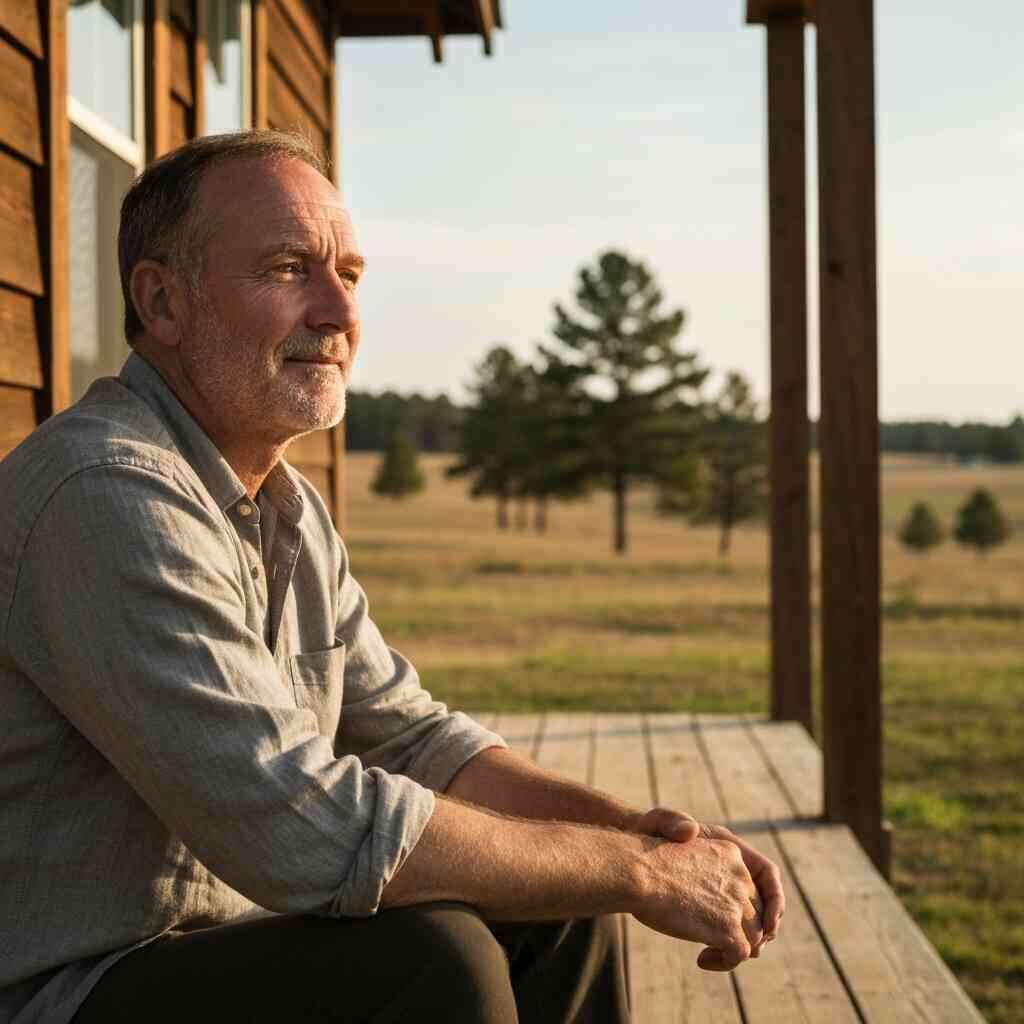
Living in a rural area presents unique challenges when you or a loved one struggle with addiction. While beautiful, the isolation of small-town life often creates significant hurdles to accessing quality care for opioid addiction, alcohol use disorder, or other chemical dependencies. Many people feel trapped by a lack of local medical infrastructure, forcing them to choose between traveling long distances or going without professional support. Understanding how to overcome these geographical gaps is vital for anyone seeking recovery. By focusing on accessing addiction treatment services in rural regions, you can identify creative ways to get the help you deserve. Our directory serves as a bridge, connecting isolated individuals to reputable care providers across the country.
Breaking Through Geographic Barriers to Find Addiction Treatment Services
When you live miles away from the nearest clinic, your recovery options can feel limited. Rural populations often face a shortage of drug detoxification centers and specialized residential treatment centers compared to urban hubs. Many people feel discouraged when they cannot find local providers who accept their specific insurance or offer the evidence-based treatment they require. This physical distance often delays the decision to seek help, worsening the impact of substance misuse. Recognizing that your location does not have to dictate your outcome is a crucial realization for those in remote areas.
Why living far from city centers makes finding rehabs near me harder
The scarcity of medical professionals in rural counties creates a “treatment desert” that complicates the search for recovery. In places like Montana or the rural parts of Alabama, a patient might have to drive several hours just to reach a provider capable of performing a safe medical detox. This geographic isolation makes finding rehabs near me in remote areas incredibly frustrating for families already dealing with the emotional toll of addiction. Furthermore, public transportation is often non-existent in rural regions, making it nearly impossible for someone without a reliable vehicle to attend outpatient rehab or group therapy sessions. Without consistent access to care, the risk of relapse increases significantly for those trying to break free from heroin, cocaine, or prescription pill addiction.
Recognizing the signs of addiction when local support is scarce
Small communities sometimes carry a heavy stigma regarding substance use, which can make people hesitant to speak up about their struggles. You might notice signs like persistent anxiety, changes in sleep patterns, or a reliance on substances to get through the workday. Learn how to identify these red flags early so you can seek help before a crisis occurs. When local support networks are thin, it is easy to normalize behaviors like heavy drinking or misuse of benzodiazepines. Educating yourself on the clinical symptoms of an addiction helps you recognize when your health is in jeopardy. Being proactive and reaching out to specialized resources early is a sign of immense strength and self-awareness.
How to use a drug rehab directory to identify options in remote areas
A high-quality addiction treatment services directory for rural communities is an essential tool for navigating the maze of recovery options. By utilizing filters for location, insurance coverage, and treatment modalities, you can narrow down facilities that might not appear in a standard web search. Many state-funded centers offer sliding scale payments that make recovery possible for those with limited budgets. Whether you are looking for information on how to find addiction treatment services in Alabama or seeking support in the mountains of the West, a digital guide simplifies your search. These directories provide verified contact information, helping you bypass fraudulent services and find legitimate programs. Using these resources allows you to compare different types of care, such as luxury rehab or faith-based treatment, to find the right fit for your situation.
Modern Solutions for Rural Recovery and Telehealth Access
Technology is rapidly closing the distance gap that has long plagued rural healthcare delivery. Through the use of secure video conferencing, individuals can now access high-level therapy from the comfort of their own homes. This shift toward digital support means that experts in psychotherapy are no longer exclusive to those living in major metropolitan areas. Integrating these tools into your plan can make all the difference in achieving long-term sobriety. Virtual care provides the consistency needed to manage co-occurring mental health issues like PTSD and depression effectively.
Virtual intensive outpatient programs and digital recovery coaching
A virtual intensive outpatient program provides the structure of a clinic without the requirement of daily commutes. These programs use secure platforms to conduct group therapy and individual counseling, allowing you to connect with peers and clinicians regardless of where you live. Digital recovery coaching serves as a secondary layer of accountability, helping you stay focused on your goals during difficult moments. By leveraging these modern tools, you can maintain your professional responsibilities while receiving treatment for alcohol use disorder or marijuana addiction. Many people find that this flexibility makes it easier to commit to a long-term plan without the stress of leaving their families behind.
Expanding access to medication-assisted treatment like buprenorphine and methadone in rural counties
Medication-assisted treatment, often called MAT, is a gold-standard approach for managing opioid addiction. By understanding medication-assisted treatment for rural patients, you can learn how FDA-approved medications like buprenorphine, methadone, and naltrexone help stabilize brain chemistry. Expanding the reach of these medications into rural counties is one of the most effective ways to reduce overdose rates. These medications are not replacing one drug with another, but rather restoring function so you can focus on your recovery journey. Many rural primary care clinics are now certified to prescribe these medications, making them much more accessible than they were in the past.
Leveraging local primary care doctors for co-occurring mental health and dual diagnosis treatment
Many people suffer from co-occurring mental health disorders, such as trauma or generalized anxiety, alongside substance misuse. Local primary care providers can often play a central role in managing these conditions when specialists are not nearby. By working with your doctor to treat the underlying mental health triggers, you gain a better chance at preventing future relapse. If you need specialized dual diagnosis treatment, your primary care physician can act as a coordinator to connect you with remote psychiatric services. This team-based approach ensures that your medical and behavioral health needs are met in a unified, safe way.
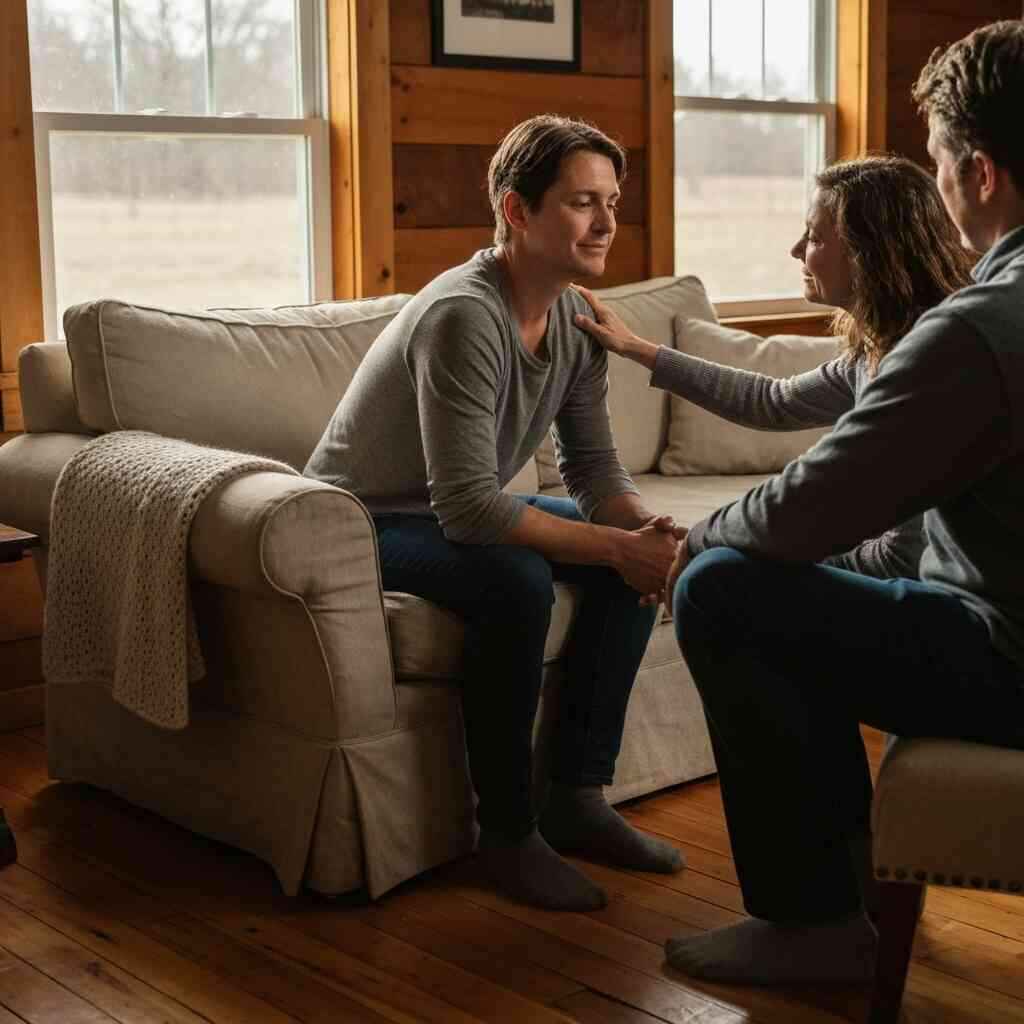
Mobile detox centers and the reality of rural substance use disorder treatment
Detoxification is the vital first step for those dealing with severe physical dependence. While standalone buildings are rare in rural areas, some regions are beginning to utilize mobile units and telehealth-monitored detox protocols. These services provide medical supervision during the difficult early phases of withdrawal, ensuring you are safe as substances leave your body. Discuss these options with a professional who understands SAMHSA guidelines for medical stability. Knowing that there are safe ways to get through detox in your area can lower the fear associated with stopping use. Professional medical guidance is essential when withdrawing from substances like alcohol or benzodiazepines.
Building a Sustainable Path to Sobriety Outside the City
Recovery is a marathon, not a sprint, and building a sustainable life requires reliable support systems. After the initial treatment phase ends, you need a plan for maintaining your progress while living in your own community. This includes everything from finding sober houses to engaging with local aftercare programs. Even in isolated areas, there are ways to build a community of support that will hold you up during challenging times. By focusing on your long-term needs, you create a foundation for lasting change that extends far beyond the walls of any clinic.
Overcoming transportation hurdles to reach residential treatment and sober living homes
Transportation remains a major hurdle for those who need residential treatment but live hours away from the nearest facility. Many centers now recognize this barrier and offer assistance, such as coordinated transport services or guidance on local transit options. Once you complete your initial stay, finding a clean and supportive sober living environment can be the key to avoiding a return to old habits. Connecting with others in the same rural town who are also in recovery can create a self-sustaining support network. Never let the fear of transportation stop you from reaching out to a facility that can change your life. Reach out to the program’s admissions office directly to ask about transportation aid; many are willing to help residents arrive safely.
Navigating insurance for rehab including Medicaid and private options for rural residents
The cost of rehab is a top concern for many people, but there are many paths to coverage regardless of your financial situation. Navigating insurance for rehab in rural areas involves verifying what your plan covers and finding in-network providers. If you are uninsured or have limited income, state-funded centers and programs that use sliding scale fees are available to help. Medicare and Medicaid cover a wide variety of addiction treatment services, including outpatient care and medication management. Call your insurance provider to ask specifically about the ASAM levels of care they cover for substance use disorder. Knowing your financial rights is a powerful step in securing your treatment without incurring overwhelming debt.
Connecting with community-based aftercare programs and regional state-funded addiction resources
The final step in your recovery is establishing a strong, community-based aftercare plan. Whether it is joining 12-step programs or non-12-step support groups, staying connected to a recovery community is crucial. You can often find local meetings held in community centers, churches, or libraries even in the smallest towns. Using navigating addiction treatment services aftercare programs ensures you have someone to talk to when life gets overwhelming. Many regions also have state-funded counseling services designed specifically to fill the gaps for those in underserved rural areas. Recovery is most successful when you surround yourself with people who understand the unique rhythm of life outside the city. Your commitment to yourself is the most valuable tool you possess in this journey.
Frequently Asked Questions
How do I know if I need residential treatment vs. outpatient care? Residential treatment is usually recommended for individuals with severe substance dependence, a history of relapse, or those who lack a stable home environment. Outpatient care offers more flexibility and is better suited for those with a strong support system and less intense symptoms. A professional assessment based on ASAM criteria will help clarify which level of care is most appropriate for your specific needs.
What is medication-assisted treatment (MAT) like for someone in a rural area? MAT involves using FDA-approved medications like buprenorphine or naltrexone to reduce cravings and withdrawal symptoms while you participate in therapy. In rural areas, this is often managed through telehealth visits combined with local pharmacy pick-ups. It is a highly effective, evidence-based approach that helps stabilize your brain chemistry, allowing you to focus on developing coping skills.
Can I keep my job while attending an intensive outpatient program? Yes, many intensive outpatient programs are designed specifically for people who need to balance work and family responsibilities. These programs usually offer evening or weekend sessions to ensure that your career goals do not get in the way of your recovery. Talk to your employer about your rights under the Americans with Disabilities Act if you need to take time for treatment.
How do I find a treatment center that takes my insurance? You can use a specialized directory to filter facilities by the insurance providers they accept. It is also helpful to call the phone number on the back of your insurance card to verify your benefits for substance abuse treatment. Ask specifically for a list of in-network facilities within your state to minimize your out-of-pocket costs.
What should I do if I can’t find any detox centers near me? If no local detox center is available, start by calling your primary care physician or a local crisis line for guidance. They can often help you identify regional hospitals or specialized clinics that provide medical withdrawal management. Do not attempt to stop using substances “cold turkey” without medical advice, as some withdrawal symptoms can be life-threatening.