



When Compassion Meets Courtrooms: Navigating the Marchman Act with Purpose
Why emergency substance abuse intervention matters now more than ever
Florida families feel the weight of addiction every day as overdose reports fill local news feeds. When a loved one spirals into substance misuse, waiting can carry irreversible consequences. Withdrawal symptoms may intensify overnight, and fentanyl-laced drugs magnify the danger exponentially. Emergency substance abuse intervention Florida families pursue through the Marchman Act exists to break that deadly momentum. It empowers courts to mandate assessment, stabilization, and entry into licensed addiction treatment centers swiftly. Such rapid placement can mean life or death when powerful opioids depress breathing within minutes. Families who understand this urgency often become heroes in their relative’s recovery narrative. Their timely action demonstrates that love sometimes assumes a protective, legal form.
Yet recognizing an emergency is only half the equation; knowing where to turn completes the picture. Our directory provides comprehensive Marchman Act help resources in Florida designed to guide stressed families step by step. From detoxification services to residential treatment programs, each listing is vetted for quality and compliance. Real-time phone counselors clarify insurance coverage, medication-assisted treatment availability, and transportation logistics. This rapid-response support shortens the gap between crisis recognition and lifesaving admission. When anxiety peaks, clear information empowers decisive movement rather than paralyzing hesitation. Every hour saved can prevent another dose, another arrest, or another near-fatal event. Families deserve that peace of mind and so do the loved ones they fight for.
The first step from family concern to legal action
Most relatives never imagined they would read Florida statutes in search of addiction answers. However, the Marchman Act transforms personal anguish into a structured, court-backed solution. The process begins with a verified petition filed in the county court alleging recent, dangerous substance use behaviors. Petitioners can be spouses, parents, adult children, or even licensed behavioral health professionals observing escalating risk. They must show the individual lacks self-control, is unable to appreciate the need for care, and poses imminent harm. Proper documentation, including police reports or medical records, strengthens the narrative and reassures judges of merit. Many families enlist attorneys or certified interventionists to craft clear, concise affidavits that withstand scrutiny. That early precision expedites hearings and demonstrates respect for the respondent’s legal rights.
After filing, the court may issue an ex-parte order compelling assessment, often within a few days. Law enforcement or crisis responders transport the individual to an approved treatment facility for evaluation and stabilization. During this window, clinicians test for substances, manage withdrawal symptoms, and begin medical detox protocols. Results feed into a second hearing where judges may order up to ninety days of structured care. Families often feel conflicted, yet relief grows when seeing loved ones stabilized and supervised. Throughout, the respondent retains counsel and has opportunities to contest findings, ensuring civil liberties remain protected. The law balances freedom with safety, acknowledging addiction as both a public health and behavioral health crisis. When executed skillfully, everyone gains a chance to reset rather than repeat tragic cycles.
Locating addiction treatment services near you before the crisis escalates
Court orders are meaningful only if appropriate treatment beds exist when the gavel falls. Addiction Treatment Services curates a dynamic addiction treatment services directory that updates as facilities report availability. Users can filter by detoxification services, residential treatment, intensive outpatient program offerings, or specialized dual diagnosis tracks. Geolocation tools pinpoint addiction treatment centers near you while map overlays reveal driving distances. Family members appreciate seeing phone numbers, staffing ratios, accreditation status, and insurance plans accepted all in one place. This transparency empowers caregivers to compare options quickly and advocate for the best clinical match. Waiting lists shrink when several solid choices replace a single overwhelmed facility. Preparedness reduces courtroom delays and demonstrates to judges that responsible planning is underway.
The directory also highlights recovery support services like AA Meetings, NA Meetings, and sober living homes that Florida residents rely on. These community touchpoints extend accountability once formal treatment programs conclude. Relapse prevention gains muscle when meetings, mentors, and medication management align. Families can even locate virtual therapy options, acknowledging modern demands for flexible outpatient care. Each listing provides clear next steps, phone prompts, and a checklist of vital documents to bring. By charting these routes early, loved ones move from fear to informed action quickly. Preparedness honors both compassion and practicality, mirroring the spirit of the Marchman Act itself. When resources stand ready, the law becomes a doorway rather than a detour on the road to recovery.
Decoding the Legal Lifeline: Understanding Florida’s Marchman Act Mechanics
Filing a Marchman Act petition: What families and professionals should know
Florida families often discover that compassionate pleas alone cannot stop spiraling substance misuse. When voluntary options fail, the first step is to file a Marchman Act petition correctly. Petitioners must describe recent, dangerous behaviors, emphasize loss of self-control, and demonstrate imminent harm. Judges want clear timelines, police reports, or emergency room notes to support every allegation. Preparing this evidence early speeds hearings and protects the process from dismissals.
Many caregivers feel intimidated by courthouse procedures, yet guidance exists at every turn. Attorneys, certified interventionists, and behavioral health clinicians can co-author petitions that withstand scrutiny. The detailed Guide to filing a Marchman Act petition in Florida empowers relatives with step-by-step checklists, filing fees, and sample affidavits. Using that resource minimizes clerical errors that could delay lifesaving action. Additionally, the Addiction Treatment Services directory highlights treatment facilities prepared to receive court-ordered clients immediately.
Involuntary treatment: Florida law demystified for loved ones
Once a judge accepts the petition, Florida law allows swift, involuntary assessment. Law enforcement officers transport the individual to an approved treatment facility for medical and psychiatric evaluation. Clinicians manage withdrawal symptoms, document substance levels, and recommend continued care. This stabilization window lasts up to five days, granting courts reliable clinical insight. Families can attend hearings and hear professional testimony firsthand.
After evaluation, judges may mandate up to ninety days of structured treatment. Orders can include detoxification services, residential treatment, or an intensive outpatient program depending on medical necessity. Because substance use disorders differ, the court tailors conditions rather than issuing one-size directives. Loved ones often worry about resistance, yet involuntary treatment Florida law includes patient rights, counsel, and appeal options. Therefore, dignity remains central even when freedom is constrained temporarily.
Protecting a family member from overdose through court ordered addiction treatment services
Opioid potency today makes every relapse a potential fatal overdose. Court ordered addiction treatment services interrupt that deadly pattern by forcing a medical pause. Stabilization reduces withdrawal complications and allows clinicians to introduce medication-assisted treatment if indicated. Methadone, buprenorphine, or naltrexone can suppress cravings, buying time for therapeutic engagement. Moreover, structured settings remove access to fentanyl-laced street supplies.
Family members often testify to sleepless nights spent tracking social media for overdose reports. A successful Marchman Act order replaces fear with monitored safety and daily medical oversight. Treatment facilities must report any elopement attempts immediately, keeping the court and relatives informed. This accountability loop reassures loved ones that protective measures continue beyond the courtroom. Overdose statistics drop when persistent supervision guides each recovery milestone.
Balancing civil liberties with lifesaving intervention
Critics sometimes question whether involuntary measures violate constitutional rights. However, Florida legislators designed the Marchman Act to mirror mental health commitment standards, balancing autonomy with public health. Petitioners carry the burden of proof, and respondents gain legal counsel plus hearing opportunities. Judges weigh evidence carefully, ensuring the least restrictive environment fits the individual’s clinical profile. That judicial oversight guards against misuse of power.
Still, saving a life remains the statute’s primary intent. Addiction experts recognize substance dependence as a chronic brain disorder that diminishes decision-making capacity. Therefore, temporary restraint can restore long-term freedom by preventing irreversible harm. When recovery stabilizes cognition, individuals often thank families for courageous intervention. In this way, civil liberties and lifesaving goals become partners rather than adversaries.
 From Court Orders to Clinical Care: Crafting the Continuum of Treatment
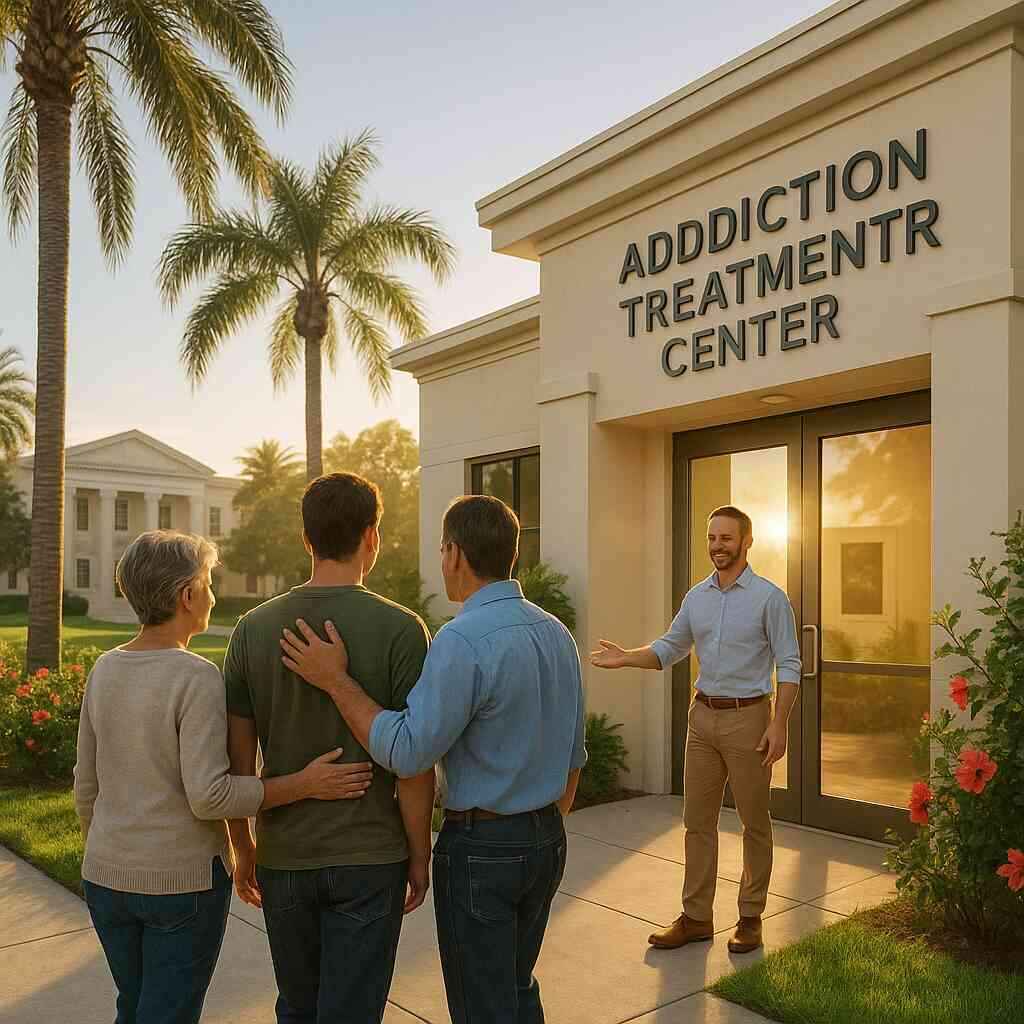 From Court Orders to Clinical Care: Crafting the Continuum of Treatment
Matching Marchman Act clients to detoxification services and withdrawal management
Securing a court order through the Florida Marchman Act is only the first step; rapid medical stabilization must follow. Detoxification services that understand involuntary admissions maintain protocols that respect both legal mandates and patient dignity. Experienced treatment facilities schedule intake teams who meet law-enforcement transport at the door, preventing delays that can worsen withdrawal symptoms. Licensed nurses conduct immediate assessments, monitoring blood pressure, cardiac status, and potential polysubstance interactions. Timely pharmacological interventions curb seizures, hallucinations, and severe cravings before they spiral into medical emergencies.
Withdrawal management extends beyond medication; trauma-informed counseling begins on day one to lower anxiety and resistance. Clinicians explain each detox phase, reinforcing that temporary confinement is a bridge to long-term freedom. Families receive daily updates, aligning expectations with clinical realities such as post-acute withdrawal timelines. Clear communication prevents misunderstandings that can sabotage court-ordered addiction treatment services. By coupling medical rigor with compassionate education, providers transform an imposed stay into a collaborative healing partnership.
Residential treatment programs in Florida are available within the Addiction Treatment Services directory
Once stabilization is complete, judges often extend the order into residential treatment, recognizing that early abstinence is a fragile state. The Addiction Treatment Services directory lists evidence-based addiction treatment centers across Florida, each vetted for licensure, accreditation, and staffing ratios. Facilities specialize in substance use disorders ranging from opioid dependence to stimulant addiction, ensuring precise clinical matches for every court client. Structured daily schedules combine cognitive-behavioral therapy, motivational interviewing, and family systems work, fortifying insight that detox alone cannot provide. Residents also receive experiential therapies such as art or equine programs, leveraging right-brain engagement to process trauma.
Family involvement remains pivotal even during inpatient phases. Weekend education sessions teach relatives how to set boundaries, identify relapse triggers, and support medication-assisted treatment when indicated. These workshops fulfill the Marchman Act intentions by uniting household systems around recovery goals rather than punitive oversight. Because many clients transition to outpatient treatment later, aftercare planning begins early, integrating local AA Meetings, NA Meetings, and mental health services. Discharge coordinators verify insurance authorizations and transportation logistics, preventing the dangerous gap between levels of care. Such continuity proves that residential treatment is not an endpoint; it is a launchpad for sustained change.
Medication-assisted treatment and dual diagnosis pathways for complex substance use disorders
Some individuals present with co-occurring mental health disorders alongside severe opioid or alcohol dependence. For them, medication-assisted treatment (MAT) paired with dual diagnosis programming often becomes non-negotiable. Board-certified addiction psychiatrists evaluate whether buprenorphine, methadone, or naltrexone best aligns with each person’s medical history and legal constraints. Integrated teams then layer dialectical behavior therapy and trauma-processing modalities to address mood disorders, PTSD, or anxiety fueling compulsive drug use. This multimodal design upholds evidence-based drug rehabilitation practices, increasing retention and reducing court violations.
Insurance approvals for MAT sometimes intimidate families, yet knowledgeable case managers streamline prior authorizations and pharmacy coordination. Judges receive progress reports highlighting medication compliance, therapy attendance, and toxicology results, reinforcing transparency within involuntary treatment in Florida law. Clients learn the neuroscience behind cravings, empowering them to view addiction as a chronic brain disorder rather than a moral failing. That shift lowers shame, a powerful relapse driver, and strengthens willingness to continue care voluntarily after mandates expire. By addressing both neurochemical imbalances and psychological wounds, programs convert crisis orders into personalized medical strategies.
Intensive outpatient program listings and holistic recovery support services
Not every Marchman Act respondent requires extended residential care; many stabilize quickly yet still need structured accountability. Intensive outpatient programs (IOPs) fill that gap, offering multiple weekly therapy sessions while allowing clients to sleep at home or in sober living. The Addiction Treatment Services directory flags IOPs that accommodate court reporting requirements, including attendance verification and random drug screening. Group therapy delves into cognitive distortions, stress management, and relapse prevention planning, while individual sessions explore underlying trauma. Evening and weekend tracks accommodate employment, reducing socioeconomic disruptions that often derail recovery.
Holistic recovery support services complement psychotherapy by engaging the mind, body, and community. Yoga, mindfulness training, and nutrition counseling rebuild physical resilience eroded by substance misuse. Peer mentors share lived experience, modeling authentic hope that textbooks cannot convey. Digital health platforms extend check-ins beyond clinic walls, maintaining momentum during holiday stressors or sudden grief. One paragraph’s single embedded resource illustrates accessibility: Find nearby addiction treatment options before crisis empowers families to act swiftly if new warning signs emerge. By weaving clinical intensity with flexible delivery, IOPs prove that lifesaving care can coexist with daily responsibilities.
Relapse prevention planning and sober living homes Florida network
Court supervision eventually ends, but successful recovery demands a robust safety net long after gavels fall. Relapse prevention planning begins with a thorough inventory of personal triggers-social, emotional, and environmental-and pairs each with actionable coping strategies. Clients craft written emergency response plans, sharing them with sponsors, family members, and therapists to help mobilize instantly during high-risk moments. Continuing care teams integrate medication management check-ups, ongoing counseling, and recovery support services near me, ensuring every protective layer functions in concert. Regular attendance at AA or NA meetings cements community ties, providing relatable accountability that professionals alone cannot supply.
Housing stability is equally critical; the Florida network of sober living homes offers structured environments where residents practice newfound skills. Properties endorsed by Addiction Treatment Services meet stringent criteria for peer leadership, curfews, and random testing, reducing exposure to relapse catalysts. On-site life-skills workshops teach budgeting, job readiness, and conflict resolution, translating therapeutic insight into real-world competence. Alumni groups from residential treatment centers often visit, demonstrating long-term success and reinforcing aspirational norms. Through coordinated housing, mentorship, and clinical check-ins, the final stage of the continuum transforms court-mandated beginnings into self-directed, sustainable recovery journeys.
Transforming Crisis into Recovery: A Call to Action for Florida Families
Leveraging statewide treatment facility locators for early intervention
Florida families often panic when substance misuse surfaces suddenly within the home. Immediate direction matters, and a statewide treatment facility locator delivers that clarity promptly. The Addiction Treatment Services directory aggregates licensed addiction treatment centers near you within seconds. Simple filters reveal detoxification services, residential treatment, or intensive outpatient programs matching individualized medical necessity. Early intervention reduces overdose risk, shrinks withdrawal symptoms, and improves long-term recovery statistics across every county. Searching local options first also shortens transport times, supporting safer transitions under the Florida Marchman Act. Families appreciate seeing insurance acceptance, bed availability, and peer reviews before making urgent commitments.
Statewide mapping tools highlight AA Meetings, NA Meetings, and mental health centers alongside core treatment programs. Integrated information empowers relatives to schedule multiple appointments the same day, avoiding bureaucratic delays. The locator also flags recovery support services near me, keeping accountability visible beyond inpatient walls. Interactive phone support clarifies driving directions, public transit lines, and telehealth availability for rural households. When communities leverage shared knowledge proactively, crisis moments transform into organized, lifesaving action steps. That momentum honors loved ones’ dignity while reinforcing community responsibility for substance use disorders.
Compassionate intervention strategies that honor dignity and hope
Legal petitions succeed when compassion guides every decision, not frustration or punitive motives. Families seeking Florida Marchman Act assistance must frame documentation around safety, health, and genuine concern. Describing concrete overdose scares, hospitalizations, or violent incidents helps judges appreciate imminent harm. Simultaneously, inclusive language reassures the family member that treatment, not punishment, awaits them. Professional interventionists coach relatives on tone, timing, and confidentiality to preserve trust during confrontation. These strategies align with evidence-based drug rehabilitation practices, which emphasize respect as a therapeutic catalyst.
Few caregivers can navigate petitions alone, and outside guidance prevents painful missteps. When urgency peaks, families should contact professionals for court-ordered treatment guidance without hesitation. Experienced attorneys, clinicians, and peer advocates translate legalese into clear, actionable checklists. They review affidavits, gather medical records, and coordinate sworn testimony to strengthen petitions rapidly. Engaging experts early demonstrates seriousness to the court and bolsters civil liberties protections simultaneously. Ultimately, dignity grows when families combine heartfelt love with informed, decisive advocacy.
Next steps beyond the courtroom sustaining momentum in the recovery process
Court orders eventually expire, yet recovery remains a lifelong practice requiring layered support. Relapse prevention planning begins inside treatment facilities and follows clients home through structured routines. Medication-assisted treatment Florida clinicians prescribe continues to stabilize neurochemistry during stressful transitions. Intensive outpatient programs schedule evening groups, enabling employment while sustaining therapeutic contact. Sober living homes Florida network members provide curfews, peer accountability, and community reintegration coaching. Regular toxicology testing and mentorship reinforce boundaries set during residential treatment.
Families must schedule follow-up medical appointments, therapy sessions, and alumni events before discharge dates approach. Using an addiction treatment services directory reminders prevent calendar gaps that slippery cravings exploit. Digital apps sync meeting times, medication refills, and gratitude journaling tasks onto personal devices. Support circles also include spiritual leaders, fitness coaches, and vocational counselors, enhancing multidimensional wellness. When each resource communicates, the individual feels surrounded by a resilient safety net, not shame. Sustained engagement turns courtroom intervention into a personal triumph story that inspires future generations.
Frequently Asked Questions
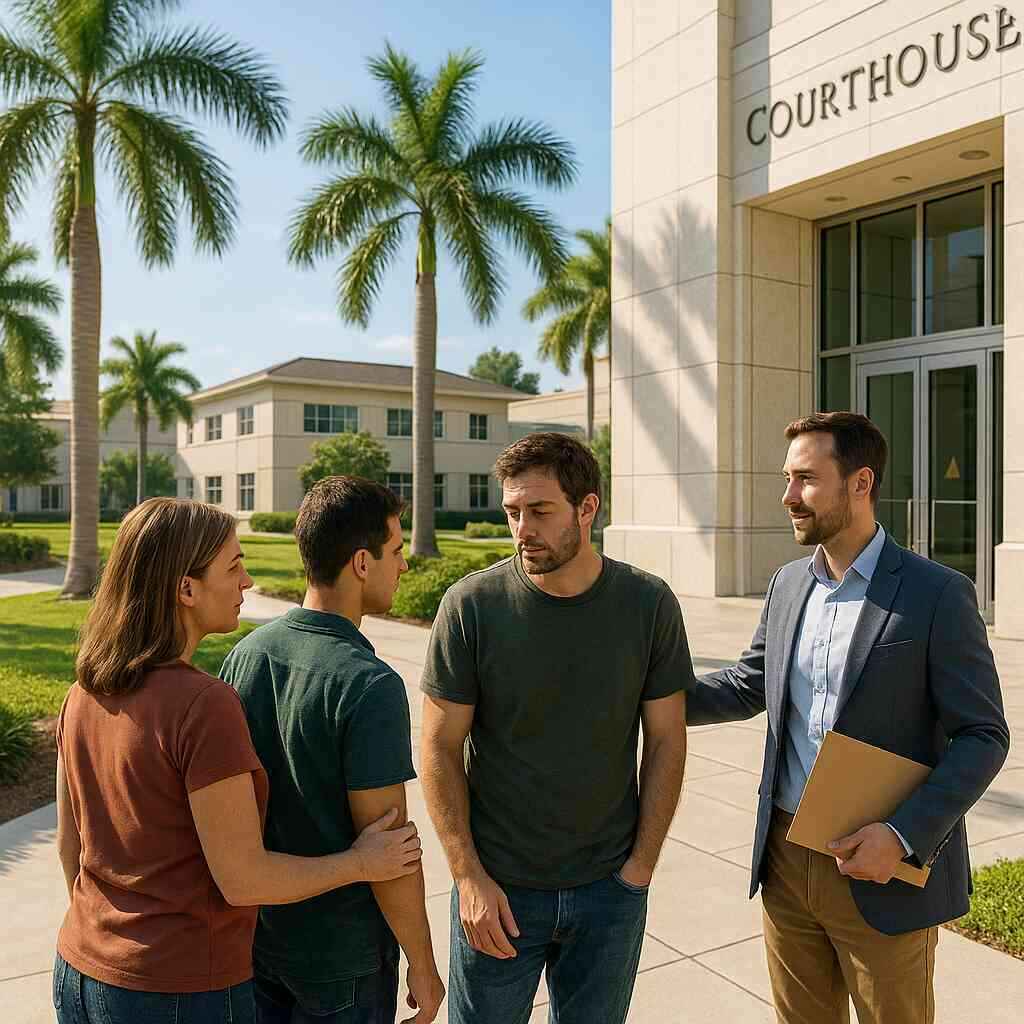 Frequently Asked Questions
Question: What is the Florida Marchman Act and how can the Addiction Treatment Services directory help my family file a Marchman Act petition quickly?
Answer: The Florida Marchman Act is a state statute that allows loved ones or licensed professionals to petition the court for involuntary assessment, stabilization, and up to 90 days of treatment when someone’s substance misuse poses imminent harm. Addiction Treatment Services supports this critical first step by offering a step-by-step Guide to filing a Marchman Act petition in Florida, 24/7 phone counselors, and a robust addiction treatment services directory. Our specialists walk families through required documentation-police reports, ER records, sworn affidavits-so petitions are accurate and court-ready. Once the judge signs the order, we immediately locate detoxification services, residential treatment, or an intensive outpatient program near you that is prepared to accept court-ordered admissions. This streamlined approach shortens wait times, safeguards civil liberties, and transforms legal action into lifesaving care.
Question: How does emergency substance abuse intervention in Florida families need to turn into real-time placement in detox or residential treatment programs through court ordered addiction treatment services?
Answer: When a Marchman Act petition is granted, timing is everything-withdrawal symptoms can escalate within hours and fentanyl-laced drugs magnify overdose risk. Addiction Treatment Services maintains a real-time statewide treatment facility locator that flags open beds for detoxification services and residential treatment programs that Florida clinicians trust. Our directory lists staffing ratios, accreditation, insurance acceptance, and transportation options, allowing us to coordinate with law enforcement so your family member reaches an approved treatment facility the same day the order is signed. Medical teams then begin withdrawal management, medication-assisted treatment, and dual diagnosis assessments, turning a courtroom mandate into a comprehensive continuum of behavioral health services that includes therapy, relapse prevention planning, and recovery support services near me.
Question: In the blog post Florida Marchman Act Help from Addiction Treatment Services you discuss protecting civil liberties-how does involuntary treatment under Florida law ensure my loved one’s rights are respected?
Answer: The Marchman Act balances personal freedom with public health. Petitioners must prove recent, dangerous substance use behavior and lack of self-control; the respondent receives legal counsel, a hearing, and the right to appeal. Courts order the least restrictive level of care-detox, residential, or outpatient treatment-based on medical necessity. Addiction Treatment Services partners only with licensed addiction treatment centers that follow HIPAA guidelines, employ trauma-informed staff, and allow court-appointed attorneys to review treatment plans. Progress reports keep families and judges informed, while patient rights-confidentiality, humane care, and access to counsel-remain protected throughout assessment and treatment. This safeguards dignity while still delivering the emergency substance abuse intervention Florida families count on.
Question: After a successful Marchman Act order, what ongoing relapse prevention and recovery support services does Addiction Treatment Services recommend to sustain long-term recovery?
Answer: Court supervision eventually ends, but recovery is lifelong. Addiction Treatment Services helps families build a layered safety net that includes: Medication-assisted treatment Florida physicians prescribe (buprenorphine, methadone, or naltrexone) to curb cravings. Intensive outpatient program listings that offer evening groups, individual therapy, and random toxicology screens while clients reintegrate into work or school. Sober living homes in Florida network properties with curfews, peer accountability, and life-skills coaching. A statewide AA Meetings and NA Meetings locator so clients can attend daily support groups close to home. Digital apps that sync appointments, medication reminders, and gratitude journaling for added accountability. By weaving these addiction recovery services together, families move from court-mandated beginnings to self-directed wellness, dramatically lowering the risk of relapse and overdose.