


Embarking on the First Step toward Sustainable Sobriety in the Sunshine State
Mapping addiction treatment services near you across Florida
Floridians often begin recovery by searching for addiction treatment services near them in Miami, Tampa, or the Panhandle. Thankfully, the comprehensive addiction resources in the Florida directory highlight treatment facilities from Pensacola to Key West. Each listing details residential treatment options, outpatient care schedules, and detoxification services so individuals can compare levels of support. This statewide map removes guesswork, allowing people to focus on their recovery process instead of endless phone calls. Because information appears side by side, families can quickly evaluate insurance coverage and placement timelines.
Equally important, the directory showcases culturally competent Hispanic addiction services, veteran substance misuse programs, and LGBTQ-affirming rehab options Orlando residents trust. These specialized listings prove that evidence-based rehab programs in Florida adapt to every demographic. Users can filter by intensive outpatient program, medication-assisted treatment, or dual diagnosis care within seconds. That flexibility helps people match clinical needs with geographic convenience. As a result, locating addiction treatment centers that feel welcoming becomes less stressful and more strategic.
Recognizing early signs of withdrawal and substance misuse
Early intervention remains the cornerstone of relapse prevention plans for Floridians. Subtle indicators such as erratic sleep, mood swings, or unexplained financial strain often precede visible substance abuse patterns. Readers can explore detailed symptom checklists through the early withdrawal warning signs and care tips resource. Understanding these warning signals empowers a family member to act before withdrawal symptoms worsen. Timely recognition shortens detox timelines and improves long-term outcomes.
Once red flags appear, contacting addiction treatment services near me becomes urgent. Florida’s telehealth addiction counseling bridges distance during hurricane season and holiday travel. Counselors can evaluate mental health services needs and recommend medication-assisted treatment in Florida clinics when appropriate. Because meetings occur online, individuals avoid stigma and receive guidance the same day. Swift engagement reduces medical complications associated with unmanaged withdrawal symptoms.
Why evidence based rehab programs in Florida lead national innovation
Florida rehab providers routinely integrate findings from neuroscience, behavioral health services, and public policy research. Their commitment to evidence-based drug rehabilitation processes means cognitive behavioral therapy, SMART Recovery meetings in Tampa, and trauma-informed care coexist under one treatment umbrella. Continuous outcome tracking refines protocols so success rates steadily climb. These data-driven adjustments set a national template that other states emulate.
Innovation also appears in the robust medication-assisted treatment Florida clinics now offer. Physicians combine buprenorphine with mindfulness practices to address both physical cravings and emotional triggers. Dual diagnosis treatment centers monitor co-occurring anxiety or depression, ensuring integrated plans. Because relapse prevention plans evolve with each progress milestone, alumni maintain momentum after discharge. Graduates often mentor newcomers, reinforcing a culture of accountability.
Family member involvement as the catalyst for hope
Family engagement turns an isolated struggle into a united mission. Relatives who consult the national addiction treatment services directory often discover local education workshops explaining the Florida Marchman Act legal intervention. These sessions demystify court-assisted treatment pathways and highlight respectful communication techniques. When families understand legal and clinical frameworks, they advocate confidently without alienating loved ones.
Beyond formal interventions, supportive relatives attend NA Meetings, join relapse prevention planning, and help build sober living routines. They learn how outpatient treatment schedules intersect with work obligations and transportation barriers. Celebrating incremental victories-like completing residential detox programs in Palm Beach-strengthens motivation for everyone involved. Through consistent encouragement and shared accountability, families become the bedrock of long-term Florida long-term addiction recovery strategies.
Clinical Breakthroughs Driving Long Term Recovery Momentum
Medication assisted treatment in Florida clinics is redefining opioid care
Florida medication-assisted treatment clinics have transformed opioid recovery by combining science, counseling, and community accountability. Clinicians prescribe buprenorphine or methadone to stabilize brain chemistry and reduce high-risk cravings. Simultaneously, therapists address trauma that often fuels substance use disorders, ensuring psychological healing parallels physical stabilization. Weekly lab screenings create measurable progress markers, helping patients witness tangible health improvements. Because medication protocols adjust to each individual’s metabolism, side effects remain minimal while motivation stays high.
Collaboration between outpatient treatment teams and residential programs creates a seamless continuum. Patients begin detoxification services in a medically supervised setting, then step into intensive outpatient programs without losing therapeutic momentum. Peer mentors guide newcomers through difficult early evenings when withdrawal symptoms threaten resilience. Many Florida clinics now offer digital pill dispensers, reducing missed doses and improving adherence scores. These layered safeguards dramatically lower relapse rates compared with medication-free approaches.
Dual diagnosis treatment centers integrating behavioral health services
Substance misuse rarely occurs in isolation, so Florida dual diagnosis centers integrate behavioral health services with addiction recovery services. Psychiatrists conduct comprehensive evaluations to uncover depression, anxiety, or post-traumatic stress driving drug addiction cycles. Once co-occurring conditions are identified, clinicians design synchronized medication plans and cognitive therapies to treat both disorders together. Patients learn emotional regulation skills that prevent self-medication habits from resurfacing.
Insurance coverage guidance teams help families navigate benefits for mental health services and addiction treatment near you. Case managers coordinate authorizations, ensuring therapeutic momentum never stalls due to paperwork. Community partners offer telepsychiatry during hurricane season, keeping counseling uninterrupted despite travel barriers. Alumni groups host workshops teaching stress management strategies that reinforce clinical gains. By addressing mind and body concurrently, Florida centers elevate long-term sobriety prospects.
Trauma informed care and culturally competent Hispanic addiction services
Many Floridians seeking treatment facilities carry unresolved trauma that magnifies relapse potential. Trauma-informed care frameworks prioritize emotional safety during every therapy session. Practitioners receive specialized training in recognizing dissociation cues, enabling swift intervention before flashbacks sabotage participation. Calming room designs, weighted blankets, and grounding exercises establish a sense of security essential for progress.
Culturally competent Hispanic addiction services further personalize care by honoring language, heritage, and family structures. Bilingual counselors incorporate cultural values like familismo into group discussions, empowering relatives to support recovery process milestones. Traditional healing practices such as curanderismo complement evidence-based rehab programs in Florida, fostering holistic trust. Dietary accommodations respect familiar flavors, reducing homesickness that can trigger substance abuse cravings. When individuals feel understood, engagement deepens and retention improves.
Cognitive behavioral therapy and SMART Recovery meetings in Tampa
Cognitive behavioral therapy remains a cornerstone of Florida’s long-term addiction recovery strategies because it rewires thought patterns linked to craving cycles. Therapists teach clients to identify cognitive distortions, challenge automatic negative beliefs, and rehearse adaptive responses. Daily journaling assignments capture emotional triggers, creating data for targeted session discussions. Over time, self-awareness grows and impulse control strengthens.
SMART Recovery meetings in Tampa expand these skills within peer-led environments grounded in scientific principles. Facilitators introduce Rational Emotive Behavior Therapy tools, reinforcing concepts learned during individual sessions. Members practice urge surfing techniques during role-plays, gaining confidence for real-world encounters. Because SMART emphasizes self-management rather than surrender, attendees who struggle with traditional 12-step language find an empowering alternative. Regular participation builds social capital essential for sustained sobriety.
Holistic substance abuse therapies including yoga and mindfulness in Florida rehab
Holistic substance abuse therapies broaden healing beyond symptom management, aligning body, mind, and spirit. Florida rehab centers integrate yoga sequences that regulate the autonomic nervous system, lowering cortisol levels associated with relapse risk. Mindfulness meditation sessions train attention on present-moment sensations, interrupting spirals of rumination and guilt. Nutritional counseling introduces anti-inflammatory meal plans that stabilize mood and support organ recovery after prolonged substance misuse.
Programs also encourage expressive arts, acupuncture, and eco-therapy outings along serene coastal trails. These modalities offer alternative coping strategies when traditional talk therapy feels overwhelming. Readers interested in expansive options can explore holistic addiction recovery methods in Florida to compare program philosophies. By weaving diverse practices into personalized treatment plans, Florida rehab facilities craft resilient foundations that safeguard against future relapse.
 Community Anchors and Policy Frameworks Supporting the Journey
 Community Anchors and Policy Frameworks Supporting the Journey
The Florida Marchman Act is an intervention lifeline
Families sometimes exhaust every conversational avenue before turning to the court system for help. The Florida Marchman Act legal intervention empowers relatives to petition judges for mandatory assessment when substance use disorders spiral out of control. Because petitions require documented evidence, Addiction Treatment Services offers templates that simplify gathering medical records and police reports. Judges often mandate detoxification services followed by outpatient treatment, creating a structured continuum rather than a one-time crisis response. When individuals realize the court order also provides professional support, resistance frequently shifts to cautious cooperation.
Navigating this legal pathway can still feel intimidating, so peer navigators guide families through each procedural step. They clarify filing deadlines, explain courtroom etiquette, and accompany loved ones to hearings. After admission, case managers coordinate with treatment facilities to match therapeutic intensity to the court’s timeline. Regular progress reports reassure petitioners that their efforts were not punitive but protective. This collaborative environment turns a legal mandate into a compassionate bridge toward sustainable recovery.
Peer recovery support services from RECO Intensive alumni and Top Sober House listings
Graduates of the RECO Intensive Outpatient Program in Boca Raton often return as volunteer mentors. Their lived experience transforms abstract coping skills into relatable guidance during difficult evenings. These alumni host weekly check-ins at local coffee shops, creating safe spaces beyond clinical walls. Meanwhile, Top Sober House listings provide vetted housing that enforces curfews, drug testing, and community service. Both resources reinforce accountability while fostering belonging.
Addiction Treatment Services curates a statewide calendar where mentors post skill-building workshops on budgeting, career coaching, and emotional regulation. Residents of sober living homes attend these events together, forging bonds that outlast formal treatment. Because alumni share personal triumphs and setbacks, newcomers learn that relapse prevention plans require constant refinement. This realistic perspective prevents the perfectionism that can trigger discouragement. Over time, friendships forged in transparency become some of the strongest relapse safeguards available.
Telehealth addiction counseling is expanding rural and hurricane season access
Florida’s rural counties often lack nearby addiction treatment centers, leaving residents with long drives and transportation costs. Telehealth bridges that gap by delivering behavioral health services through secure video platforms. Licensed therapists conduct cognitive behavioral therapy sessions, monitor withdrawal symptoms, and adjust medication-assisted treatment without the client leaving home. During hurricane season, virtual care keeps counseling consistent even when roads flood or evacuation orders loom. Reliability under stress reinforces trust in the recovery process.
Clinics integrate digital tools such as smart breathalyzers and encrypted chat lines to maintain accountability. Patients upload daily readings that therapists review before scheduling emergency check-ins. Insurance carriers increasingly cover these virtual visits, recognizing their cost-saving potential and clinical effectiveness. Addiction Treatment Services maintains a searchable telehealth directory so Floridians can filter providers by language, specialization, and evening availability. This technological lifeline ensures that geographic isolation never dictates someone’s chance at sobriety.
Workplace recovery friendly policies and overdose reversal education programs
Employers across the Sunshine State now recognize that supporting recovery is both compassionate and fiscally smart. Human resource teams partner with addiction treatment services near them to draft policies that protect job security during residential treatment. They also implement flexible schedules for intensive outpatient program appointments and random drug-free incentives that reward continued sobriety. These strategies reduce absenteeism while fostering a culture of empathy rather than punishment.
Complementing policy changes, many companies train staff to administer intranasal naloxone during emergencies. On-site overdose reversal education programs demystify the medication, dispel myths, and rehearse rapid response steps. Safety officers stock kits next to fire extinguishers, normalizing preparedness. Quarterly lunch-and-learn sessions invite local recovery advocates to share testimonies, widening awareness and reducing stigma. By merging supportive policies with lifesaving skills, workplaces become unexpected yet powerful pillars in Florida’s long-term addiction recovery strategies.
Continuums of Care that Safeguard Against Relapse
Residential detox programs in Palm Beach and a seamless step down to the intensive outpatient program in Boca Raton
Residential detox programs in Palm Beach launch Florida long-term addiction recovery strategies with medically monitored stabilization. Nurses track withdrawal symptoms every hour, while physicians adjust medication-assisted treatment to reduce complications. Immediately after detox, case managers schedule transportation to the intensive outpatient program Boca Raton offers, ensuring momentum never stalls. This handoff keeps therapeutic rapport intact, so clients continue sharing honestly about trauma and triggers. Because each level blends into the next, the treatment facility feels like one continuous supportive village rather than separate islands.
Integrated electronic health records follow the individual from detoxification services to group therapy at the beachside clinic. Therapists already know baseline vitals, previous cravings, and co-occurring mental health services needs. Clients therefore skip redundant intake questionnaires and start practicing relapse prevention skills on day one. Peer mentors from RECO Intensive greet newcomers at orientation, illustrating tangible success just months ahead. Continuous encouragement shortens ambivalence and bolsters determination to remain substance-free.
Sober living homes near Fort Lauderdale with hurricane preparedness plans
After outpatient care, sober living homes near Fort Lauderdale provide structure while allowing residents to rebuild daily routines. Curfews, random screenings, and mandatory meetings reinforce accountability without feeling punitive. Operators now incorporate hurricane preparedness sober living plans that secure medications, vital documents, and evacuation routes. Residents review drills every quarter, turning potential chaos into a predictable checklist. This foresight prevents weather-related stress from derailing fragile sobriety.
House managers also introduce the Florida sober living best practices guide during weekly community forums. The resource outlines conflict-resolution scripts, budgeting templates, and guidelines for maintaining healthy boundaries with family members. Residents practice these skills through role-plays, then debrief successes and setbacks in evening circles. Shared learning accelerates maturity and mutual trust, two pillars essential for enduring recovery. As confidence rises, alumni begin mentoring the next cohort, sustaining a virtuous cycle.
Relapse prevention plans tailored for Floridians with insurance coverage guidance
Relapse prevention plans for Floridians start with personalized risk assessments that highlight seasonal stressors like holiday tourism and employment spikes. Clinicians teach urge-surfing, grounding techniques, and digital craving logs that alert therapists in real time. Each client meets a financial navigator who decodes insurance coverage for Florida treatment facilities, eliminating surprises that might trigger disengagement. Navigators negotiate continued outpatient treatment or booster counseling when policies allow extensions. Proactive funding strategies remove destabilizing uncertainty.
Plans also link community recovery support services, such as AA Meetings and NA Meetings to geographic commuting patterns. Clients receive micro-maps showing nearby locations open before or after work shifts. Including backup virtual options counteracts transportation disruptions during storm seasons. Treatment teams revisit the blueprint monthly, adjusting interventions as new life events emerge. Iterative refinement turns the document into a living safety net, not a forgotten binder.
Adolescent addiction early intervention and LGBTQ affirming rehab options in Orlando
Florida clinicians recognize that adolescent brains require specialized engagement methods distinct from adult programming. Early intervention teams partner with school counselors to flag attendance dips, mood swings, and sudden grade changes. Once identified, families explore adolescent-focused addiction treatment centers that integrate art therapy and family systems workshops. Interactive games replace long lectures, keeping attention while teaching coping skills. Parents learn parallel strategies, creating a unified home environment.
For LGBTQ youth, Orlando offers rehab options that honor identity while challenging maladaptive behaviors. Staff receive cultural humility training and use inclusive language in every handout. Group discussions tackle minority stress, intersectionality, and safe community-building beyond nightlife scenes. Residents attend local Pride community events, refraining from socializing without substance misuse. Affirmation reduces shame, a major relapse driver, and empowers youth to envision vibrant futures.
Veterans’ substance misuse treatment pathways and outpatient opioid treatment in Miami
Many veterans juggle service-related trauma, chronic pain, and reintegration stress, increasing substance misuse risk. Florida treatment programs collaborate with Veterans Affairs clinicians to synchronize medication lists and disability benefits. Trauma-informed care modules teach grounding exercises adapted from military breathing drills, creating immediate familiarity. Peer groups led by fellow veterans normalize vulnerability and dismantle stoicism barriers. This camaraderie accelerates trust and disclosure.
Miami’s outpatient opioid treatment clinics extend these supports with flexible dosing windows accommodating work or school. Physicians combine buprenorphine with cognitive behavioral therapy that targets combat flashbacks and survivor’s guilt. Case managers coordinate transportation vouchers for veterans lacking vehicles, ensuring consistent attendance. Partnerships with local employers promote workplace recovery friendly policies, securing job stability during therapy. Holistic substance abuse therapies in Florida, like ocean-based mindfulness paddling, round out a truly comprehensive continuum.
Reimagining Recovery Futures on Florida Horizons
 Reimagining Recovery Futures on Florida Horizons
Aftercare planning in South Florida and alumni community engagement
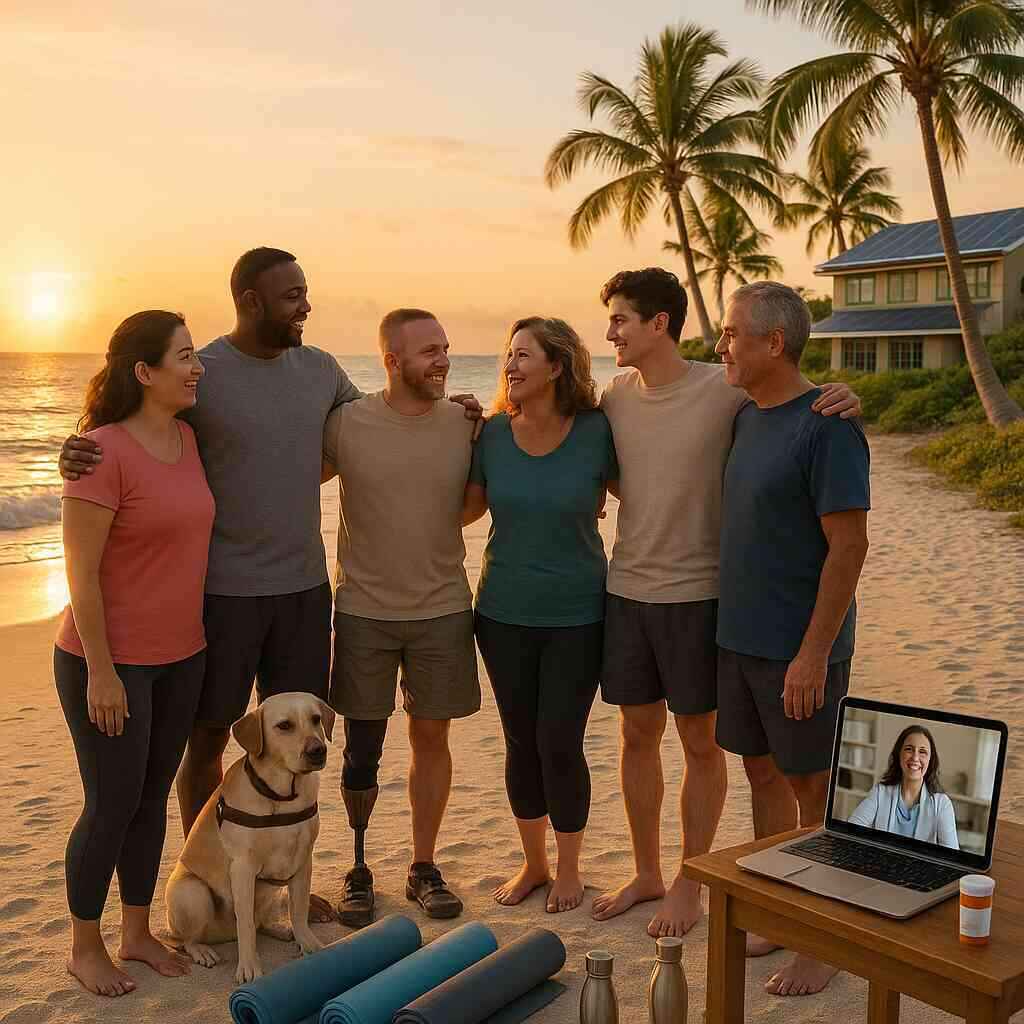
Thoughtful aftercare planning anchors Florida’s long-term addiction recovery strategies once formal treatment ends. Clinicians in South Florida begin discharge discussions weeks before completion, weaving relapse prevention plans for Floridians directly into daily routines. Case managers schedule booster counseling, coordinate transportation to Intensive Outpatient Program Boca Raton groups, and verify insurance coverage for Florida treatment facilities so funding never lapses. Graduates join RECO Intensive alumni community support circles where lived experience translates into practical guidance about managing cravings during beach festivals or tourist season overtime shifts. Because peers model solution-focused mindsets, newcomers witness sustainable sobriety as a reachable, shared reality.
Alumni engagement deepens through volunteer leadership at Top Sober House workshops that teach budgeting, nutritional planning, and hurricane preparedness sober living plans. These events cultivate mutual responsibility while strengthening personal accountability. Participants celebrate milestones with symbolic coin ceremonies that acknowledge courage without glamorizing past substance misuse. Mentors also facilitate virtual check-ins during severe weather, ensuring no one feels isolated when stress spikes. Over time, these reciprocal relationships transform short-term motivation into enduring resilience.
Harnessing the addiction treatment services directory in Florida for ongoing support
Floridians often discover new layers of assistance by exploring the comprehensive Addiction Treatment Services directory. Users can locate recovery programs near me in Florida within seconds, filtering by medication-assisted treatment clinics, dual diagnosis resources, or holistic substance abuse therapies in Florida. The platform’s mobile interface highlights public transit routes, Spanish-language counselors, and telehealth availability, removing common logistical barriers. Families bookmark favorite listings, converting an overwhelming search into an organized action plan aligned with each recovery milestone.
The directory also encourages community providers to add their Florida rehab listing to maintain an up-to-date snapshot of statewide offerings. This crowdsourced accuracy benefits clinicians crafting warm handoffs as clients transition between residential detox programs in Palm Beach and outpatient opioid treatment Miami sessions. By displaying neighboring Georgia rehab options near the Florida border and Alabama treatment centers information, the tool prepares travelers for uninterrupted care during work relocations. Ultimately, seamless navigation empowers individuals to shape treatment programs that evolve with changing life circumstances.
Measuring success through resilience and community connection
Success in trauma-informed care for addiction recovery extends far beyond urine screens or attendance counts. Florida clinicians assess progress through multifaceted lenses, including emotional regulation, financial stability, and volunteer hours logged at peer recovery support services Florida events. Clients track sleep quality, mindfulness practice consistency, and social engagement metrics, recognizing that holistic well-being fortifies sobriety. Regular reviews transform data into motivating visual dashboards, illustrating growth even when cravings momentarily resurface.
Community connection remains the most reliable predictor of lasting change. Relapse prevention plans integrate finding AA peer support meetings statewide and NA Meetings schedules into personalized calendars, ensuring support is available morning, noon, and night. Many graduates mentor adolescents in early intervention workshops, reinforcing their own coping skills while lighting the path for younger Floridians. Neighborhood employers with workplace recovery friendly policies Florida applauds these contributions, offering flexible shifts for service commitments. As shared victories accumulate, individuals and communities alike measure success through collective strength rather than solitary achievement.
Frequently Asked Questions
Question: How can Addiction Treatment Services help me locate evidence-based rehab programs in Florida that accept my insurance and meet my clinical needs?
Answer: Addiction Treatment Services maintains the most comprehensive addiction treatment services directory that Florida residents can access in seconds. Simply enter your ZIP code and select filters such as evidence-based rehab programs in Florida, medication-assisted treatment Florida clinics, or dual diagnosis treatment centers in Florida. The platform instantly lists accredited treatment facilities, their levels of care-detoxification services, residential treatment, or Intensive Outpatient Program Boca Raton options-and up-to-date insurance information. Because we display financial data side by side, you can identify which centers are in-network, confirm copays, and avoid costly surprises. Our live navigation team will even call your insurer to verify coverage for Florida treatment facilities while you remain focused on your first step toward recovery.
Question: What role does family involvement play in Florida rehab, and how does Addiction Treatment Services support relatives during the Florida Marchman Act intervention process?
Answer: Family engagement is a proven catalyst for long-term recovery. Addiction Treatment Services offers step-by-step guides, legal templates, and live coaching to help a family member file a Florida Marchman Act petition when a loved one is at serious risk. We also arrange educational webinars on respectful communication, relapse prevention plans for Floridians, and NA or AA Meetings schedules so relatives can participate in parallel healing. By uniting clinical knowledge with legal insights, we transform the Marchman Act from a court mandate into a compassionate bridge toward evidence-based care.
Question: How do telehealth addiction counseling Florida options and hurricane preparedness sober living plans keep treatment on track during severe weather or when I live in a rural county?
Answer: Florida’s geography can challenge continuity of care, but our directory highlights telehealth addiction counseling Florida providers who deliver cognitive behavioral therapy for addiction, medication management, and peer recovery support services that Florida residents can attend from any smartphone. For those in sober living homes near Fort Lauderdale or elsewhere, we list residences that include hurricane preparedness sober living plans-covering secure medication storage, evacuation routes, and backup generators. By combining virtual therapy with weather-ready housing, Addiction Treatment Services ensures that storms or long commutes never disrupt your recovery process.
Question: In the blog Florida’s Innovative Strategies for Long-term Recovery, holistic substance abuse therapies in Florida such as yoga and mindfulness are emphasized. How can I access these services through the Addiction Treatment Services directory?
Answer: On our platform, you can filter treatment programs by holistic substance abuse therapies in Florida to find centers offering yoga, mindfulness meditation, nutritional counseling, and eco-therapy. Each listing specifies class frequency, instructor credentials, and whether services are included in standard outpatient care or available as add-ons. Because these therapies regulate stress hormones and enhance trauma-informed care for addiction recovery, we flag locations with certified instructors, so you receive safe, evidence-backed guidance. One click sends your information to the facility for immediate scheduling.
Question: I struggle with co-occurring PTSD and opioid dependence. How do dual diagnosis treatment centers in Florida coordinate with outpatient opioid treatment Miami clinics to provide integrated medication-assisted treatment?
Answer: Addiction Treatment Services partners with dual diagnosis treatment centers in Florida that collaborate closely with outpatient opioid treatment Miami providers. Psychiatrists perform full behavioral health services evaluations, then align buprenorphine or methadone protocols with trauma-focused cognitive behavioral therapy. Shared electronic health records allow residential detox programs in Palm Beach, Intensive Outpatient Program Boca Raton teams, and outpatient clinics to exchange lab results and therapy notes in real time. This seamless coordination prevents gaps in medication, reduces withdrawal symptoms, and addresses PTSD triggers simultaneously-dramatically improving long-term sobriety outcomes.