

When rehab ends, real life starts in Florida
The first nights after discharge can feel harder than rehab itself. The walls are quieter, the routine is looser, and the old world is still waiting outside. If you are reading this with that tight, unsettled feeling in your chest, you are not alone. That fear makes sense. Recovery often feels more fragile once the structure of treatment fades.
Why the first nights after discharge can feel more fragile than the treatment stay itself
In rehab, your day has guardrails. Meals happen on schedule. Therapy is built in. Someone notices changes in mood, sleep, or cravings. Once you leave, those supports disappear quickly, and the brain can interpret that shift as risk. For people in early substance use disorder recovery, that change can amplify relapse warning signs.
The practical challenge is not only emotional. You may be leaving medical detox, inpatient rehab, or residential treatment with unfinished stress, family tension, or financial pressure. If you have dealt with alcohol use disorder, opioid addiction, cocaine addiction, benzodiazepine addiction, fentanyl addiction, heroin addiction, or prescription drug addiction, the margin for error can feel painfully small. Here is the part most people miss: stability after treatment is not automatic. It has to be built.
One client in Central Florida described discharge as “walking from a quiet room into traffic.” That image stayed with us because it captures the sensory shock of the transition. He had completed residential treatment, but he did not yet have a plan for evenings, triggers, or accountability. Once he entered a sober environment, his anxiety eased enough to focus on the next steps.
You don't have to figure this out alone.
Speak with a caring specialist now — we'll verify your insurance, answer your questions, and find the right program near you. Free, 100% confidential, and no pressure, 24/7.
Call 1-888-685-2199Verify your insurance →The difference between going home, entering sober living, and choosing transitional housing
Going home, sober living, and transitional housing are not the same thing. Going home may mean returning to old routines, old roommates, and old cues. Sober living usually adds structure, peer expectations, and house rules. Transitional housing after rehab in Florida often sits between the two, offering more support than a private rental and more independence than inpatient care.
A sober living home usually emphasizes abstinence, curfews, chores, and community accountability. Transitional housing may include additional recovery support, closer links to outpatient care, or a more deliberate aftercare plan. Some homes function as a recovery residence in Florida, while others are simply shared housing with fewer safeguards. That difference matters. The right fit depends on your level of care, your recovery stage, and your support network.
OptionStructureSupportBest forGoing homeLow to moderateVaries by family supportPeople with a stable, sober householdSober livingModerate to highPeer-led with clear expectationsEarly recovery and relapse preventionTransitional housingModerateOften linked to treatment and aftercare planningPeople needing a bridge after rehab### What makes Florida recovery housing feel different from simply renting a room
Florida adds a few realities that people outside the state may not fully appreciate. Heat, storm season, and long commutes can affect daily routines and meeting attendance. In larger metro areas like Orlando, Tampa, and the I-95 corridor, a housing choice may also shape access to therapy, meetings, and work. A place that looks affordable on paper can become expensive if it isolates you from the recovery community in Florida.
What makes a Florida recovery housing option feel different is not the paint color or the rent amount. It is the expectation that your home supports recovery instead of testing it. That usually includes house meetings and curfews, peer recovery support, and a sober environment. Some homes also coordinate with Addiction Treatment Services in Florida resources so you can keep momentum after discharge.
The housing decisions that quietly shape relapse prevention
Housing decisions matter because they shape behavior before you notice they are shaping behavior. A calm room, a predictable schedule, and people who understand recovery can lower stress. Stress is not harmless in early substance use disorder recovery. It can make trigger management harder and turn relapse prevention into more than a buzz phrase.
How structured recovery housing adds accountability without taking away independence
Structured recovery housing gives you room to rebuild real life. You may be expected to keep a job search active, attend meetings, contribute to chores, or check in with staff. That can sound restrictive, but many people experience it as relief. Structure reduces the mental load of deciding everything alone.
The best homes do not infantilize you. They support independent living with accountability. That means you still choose your schedule, manage your money, and practice daily responsibility, but you do it inside a safer frame. On the projects we’ve finished this year, the biggest mistake we see is assuming “more freedom” always means “more recovery.” Often, the opposite is true in the first months.
What house meetings, curfews, and peer recovery support actually look like in daily life
House meetings are usually practical, not theatrical. People review schedules, chores, concerns, and transportation needs. Curfews create predictability. Peer recovery support adds a layer of lived understanding that can feel easier to accept than advice from strangers.
A typical day in a structured home may include:
- Morning medication or appointment reminders.
- Work, school, or volunteer commitments.
- Evening meetings or therapy sessions.
- Curfew checks and shared expectations.
- Weekly house meetings with problem-solving and feedback.
That rhythm matters because it gives the nervous system fewer surprises. If you are early in recovery from alcoholism or drug addiction, help is still taking shape, and predictability can be a shield. It also helps people who are rebuilding after addiction intervention or a recent relapse. The goal is not control. The goal is steadier decision-making.
Why trigger management and a sober environment matter during early substance use disorder recovery
Trigger management sounds clinical, but it often starts with simple facts. Who is in the house? What substances are nearby? How easy is it to disappear for hours without anyone noticing? A sober environment removes many of the cues that can activate cravings, shame, or impulsive thinking.
This is especially important for people working through withdrawal management, detox symptoms, or post-detox fatigue. Sleep may still be uneven. Emotions may still hit hard. Cognitive behavioral therapy, dialectical behavior therapy, and EMDR therapy can help, but the setting still matters. A noisy, unstable place can undo progress quickly.
A woman in South Florida once told us her apartment felt “like a test I did not study for.” She had finished medical detox and stepped back into a space where former using partners still texted her daily. Moving into recovery housing gave her time to answer those messages differently, instead of automatically. That pause changed everything.
When transitional housing works best alongside outpatient program, intensive outpatient program IOP, or partial hospitalization program PHP
Transitional housing often works best when treatment is not over, only changing shape. If you are attending an outpatient program, intensive outpatient program IOP, or partial hospitalization program PHP, housing can support attendance and reduce chaos. That is especially true after residential treatment or inpatient rehab, when the jump to full independence may be too steep.
This connection matters for people with dual diagnosis or co-occurring disorders. Depression, anxiety, trauma, and sleep problems do not pause because treatment ended. Transitional housing can make it easier to keep appointments, take medication, and stay connected to therapy. It also supports medication-assisted treatment MAT when you need Suboxone, methadone, or Vivitrol treatment as part of opioid addiction recovery.
Finding a recovery residence in Florida that fits the person, not just the budget
A low price does not automatically mean a good choice. A higher price does not automatically mean better support. What matters is whether the place matches the person’s needs, level of care, and recovery stage. That is why the search for a recovery residence in Florida should start with fit, not only rent.
How to compare sober living homes by rules, location, support level, and connection to recovery community in Florida
Start with the basics. Ask about house rules, visitor policies, curfews, testing, transportation, and expectations for meetings. Then look at location. A home near work, therapy, and meetings may reduce friction. A cheaper place far away can drain energy and increase isolation.
Here is a simple comparison lens:
- Rules: Are they clear, written, and enforced consistently?
- Support level: Is there staff, peer oversight, or only informal oversight?
- Location: Can you realistically get to work, treatment, and meetings?
- Recovery community: Are 12-step programs, SMART Recovery, and other supports nearby?
- Stability: Does the home feel calm, clean, and respectful?
You may also want to ask about the home’s connection to Florida sober living homes resources, especially if you need local options that match your discharge plan. A recovery residence should not be a guessing game. It should be a deliberate bridge.
What to ask about discharge planning after medical detox, inpatient rehab, or residential treatment
Discharge planning is not a paperwork form. It is the handoff between care settings. If you are leaving medical detox, inpatient rehab, or residential treatment, ask what the next 30 days should look like. Ask who will coordinate appointments, medication follow-up, and housing. Good questions include: 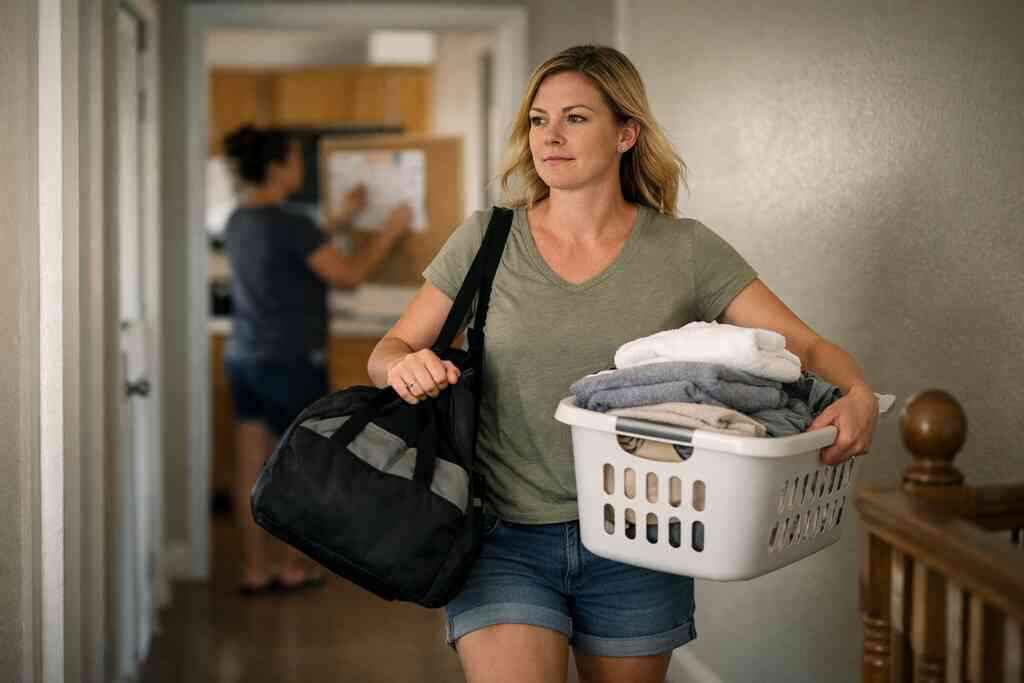
- What level of care comes next?
- Do I need PHP, IOP, or weekly outpatient therapy?
- How will relapse prevention be monitored?
- What happens if cravings or detox symptoms return?
- Who helps with transportation, housing, and work planning?
If the team cannot answer clearly, slow down. A rushed discharge can create avoidable problems. Transitional housing works best when it is built into structured recovery housing for post-rehab support rather than added at the last minute.
How dual diagnosis support, co-occurring disorders, and medication assisted treatment MAT affect housing choices
Housing choices change when mental health or medication needs are part of the picture. People with co-occurring disorders may need quieter homes, more consistent routines, or closer access to therapy. If you take MAT, the home should understand dosing schedules and support adherence rather than stigmatize it.
Ask whether the home respects MAT, including Suboxone support, methadone support, and Vivitrol treatment. Some homes welcome these medications; others do not. The same is true for co-occurring disorders and dual diagnosis support. A house that ignores mental health needs may feel orderly on the surface while quietly undermining recovery.
If you need more than housing alone, it can help to review co-occurring disorder and dual diagnosis support before choosing a residence. That is not overthinking. It is matching the setting to the person.
What to know about insurance for addiction treatment, in-network rehab, and paying for rehab when housing is part of the plan
Insurance questions can get messy fast. Some plans cover treatment services but not housing. Others may support parts of aftercare while leaving rent separate. That makes it essential to separate insurance for addiction treatment from housing costs when you budget.
If you are comparing in-network rehab options, ask what discharge planning services are included. Ask whether the facility helps with placement into sober living or transitional housing. Also ask what is self-pay, what is billable, and what is not. Paying for rehab already takes planning. Adding housing makes the plan more important, not less.
If you need a broader treatment overview before deciding, a drug rehabilitation resource can help you understand the continuum, though local guidance is usually more useful. The key is simple: do not assume the first quote tells the whole story.
How to screen for safe housing after rehab without assuming every listing is legitimate
Not every listing is what it claims to be. Some are legitimate recovery homes. Others are just rooms for rent with no recovery structure. A few are outright unsafe. That is why screening matters.
Look for these signs:
- Clear written rules and resident expectations.
- Consistent sobriety standards.
- Transparent fees and house policies.
- Regular communication with treatment providers when appropriate.
- Clean, stable living conditions.
- No pressure to sign without reading.
If possible, ask how the home handles medication storage, drug testing, roommate conflict, and relapse response. You can also compare options through a reputable directory such as Top Sober House, then verify details directly. No list should replace your own questions. Safety comes from confirming, not assuming.
Turning temporary housing into a durable recovery plan
Transitional housing is temporary by design, but its influence can last a long time. It gives you time to rebuild habits, test coping skills, and practice stable routines. Used well, it becomes the launch point for durable recovery, not just a stopgap. That is where aftercare planning becomes essential.
How aftercare planning connects transitional housing with relapse warning signs, therapy, and recovery coaching
Aftercare planning ties the pieces together. It connects housing, therapy, medication, and accountability into one practical map. It also helps you spot relapse warning signs early, before they become a crisis. Those signs can include sleep changes, secrecy, irritability, skipped meetings, or romanticizing use.
Recovery coaching can add another layer of support, especially during the first weeks out of treatment. Coaching is not the same as therapy, but it can reinforce goals, appointments, and routines. If you want a clearer framework, review aftercare planning for relapse prevention. That kind of planning turns intention into something you can actually follow.
Where 12-step programs, SMART Recovery, group therapy, family therapy, and individual counseling fit after rehab
You do not need to pick only one support model. Many people use several. 12-step programs can provide community and routine. SMART Recovery may appeal if you want a skills-based framework. Group therapy gives you practice naming hard things out loud. Family therapy can repair trust and clarify boundaries. Individual counseling helps you process trauma, grief, shame, or anxiety privately.
The right mix depends on your history and your current level of care. People leaving alcohol rehab aftercare may lean on meetings and therapy together. People in drug rehab aftercare may need more frequent outpatient support at first. If you are building from AA meetings and recovery community support or NA meetings for ongoing recovery support, the point is consistency, not perfection. Keep showing up. That matters more than saying the right thing.
When sober living is only one step and when independent living with accountability makes more sense
Sober living is not the only answer. Sometimes it is the right bridge, and sometimes it is more support than you need. If your home life is stable, your cravings are manageable, and your treatment schedule is consistent, you may be ready for independent living with accountability. That might mean regular check-ins, meetings, therapy, and a trusted support person.
Still, many people move too fast. The mistake we see most often is confusing confidence with readiness. If you are still working through trigger management, unstable work hours, or unresolved co-occurring disorders, extra structure may be the wiser choice. A sober house model can reduce risk while you strengthen your own routines.
The next decision point for alcohol rehab aftercare, drug rehab aftercare, and long term housing stability in recovery
The next decision is not just where you sleep. It is how you stay safe while life becomes more demanding. Alcohol use disorder support, opioid addiction recovery, and prescription drug addiction recovery all benefit from housing that reinforces the plan instead of complicating it. Long-term sobriety support often starts with a good bed, a clear schedule, and people who notice when you are struggling.
If you are comparing options now, ask one concrete question: does this home support the rest of my recovery plan, or only my rent? That answer usually clarifies the next step. If you need help finding the right levels of care, a safer housing option, or a local addiction treatment near me search that leads somewhere real, Addiction Treatment Services can help you sort the options without pressure. You do not have to figure this out alone, and you do not have to solve it all today. Start with one call, then make the next decision from there.
Frequently Asked Questions
Question: What should I look for when choosing transitional housing after rehab in Florida?
Answer: When choosing transitional housing after rehab in Florida, focus on fit, safety, and how well the home supports your next level of care. A good recovery residence in Florida should have clear house rules, a sober environment, predictable expectations like house meetings and curfews, and a location that makes it realistic to attend an outpatient program, intensive outpatient program IOP, or partial hospitalization program PHP. It is also important to ask about peer recovery support, relapse prevention expectations, and whether the home works with discharge planning from medical detox, inpatient rehab, or residential treatment. Addiction Treatment Services can help you sort through options so you are not relying on a listing alone. We connect people with addiction treatment resources that match real-world needs, including alcohol rehab aftercare, drug rehab aftercare, and safe housing after rehab that supports stability rather than adding stress.
Question: How does the Guide to Transitional Housing After Rehab in Florida help someone compare sober living homes and structured recovery housing?
Answer: The Guide to Transitional Housing After Rehab in Florida is designed to help people understand the differences between sober living, structured recovery housing, and independent living with accountability. It explains how one home may offer only basic room rental while another provides recovery support, peer recovery support, and stronger accountability through house meetings and curfews. It also helps readers think through trigger management, relapse warning signs, and how a sober environment can support substance use disorder recovery. Addiction Treatment Services uses this kind of guidance to simplify how people compare levels of care and aftercare planning, especially after addiction assessment or discharge from inpatient rehab or residential treatment. Our goal is to make it easier to choose housing that fits your recovery stage, whether you are focusing on alcohol use disorder support, opioid addiction recovery, or prescription drug addiction recovery.
Question: Can Addiction Treatment Services help if I need transitional housing and also have co-occurring disorders or need MAT support?
Answer: Yes, Addiction Treatment Services can help people looking for transitional housing who also need dual diagnosis support, co-occurring disorders care, or medication-assisted treatment MAT. Many people in early recovery are managing mental health needs alongside substance use disorder recovery, and the right housing should respect that reality. If you take Suboxone, methadone, or receive Vivitrol treatment, the home should understand medication schedules and support adherence without stigma. We help people think through whether a recovery residence in Florida can support dual diagnosis, medical detox follow-up, and ongoing therapy such as cognitive behavioral therapy, dialectical behavior therapy, EMDR therapy, group therapy, family therapy, or individual counseling. Addiction Treatment Services is focused on helping you find a safer path forward, not just a place to sleep.
Question: How do I know whether I should choose sober living, an outpatient program, or PHP after rehab?
Answer: The right choice depends on your current stability, your relapse prevention needs, and how much structure you still need. If you are early in recovery and still adjusting after medical detox, inpatient rehab, or residential treatment, sober living or structured recovery housing can provide a helpful bridge. If you need ongoing clinical support, an outpatient program, intensive outpatient program IOP, or partial hospitalization program PHP may be a better fit alongside housing. Addiction Treatment Services helps people compare levels of care using practical factors like withdrawal management, detox symptoms, relapse warning signs, and family or work responsibilities. We also help people understand whether insurance for addiction treatment, in-network rehab options, or paying for rehab out of pocket may affect the plan. The point is to match the setting to the person, not force a one-size-fits-all decision.
Question: What should I ask about discharge planning and aftercare planning before leaving rehab?
Answer: Before leaving rehab, ask how discharge planning and aftercare planning will connect your housing, therapy, and recovery support. You should know what levels of care come next, whether you need IOP or PHP, how relapse warning signs will be monitored, and who will help with transportation, appointments, and housing. If you are searching for addiction treatment near me, Addiction Treatment Services can help you understand what questions to ask about sober living, transitional housing, 12-step programs, SMART Recovery, recovery coaching, and holistic addiction treatment. We also help people think through specific recovery needs related to alcohol use disorder, cocaine addiction, benzodiazepine addiction, fentanyl addiction, heroin addiction, and prescription drug addiction. Good aftercare planning turns a discharge into a workable recovery plan, and we aim to make that process less overwhelming.