



Introduction: The New Frontier of Outpatient Care
Redefining Recovery: A New Era in Addiction Treatment
The landscape of addiction treatment is constantly evolving, with outpatient care becoming a key player in the recovery journey. Each passing year makes it more evident that outpatient addiction treatment offers a flexible, personalized approach that fits seamlessly into the varied schedules and lifestyle needs of individuals seeking help. In this new era, addiction treatment centers are not only addressing substance abuse but are also focusing on holistic healing. This shift reflects a deeper understanding of addiction as a multifaceted disorder requiring comprehensive care strategies. By redefining recovery, treatment facilities are setting new benchmarks for success and providing accessible solutions that make sobriety more attainable for many.
Understanding the Shift: From Traditional to Innovative Outpatient Services
In recent years, the move from traditional to innovative outpatient services has marked a significant transformation in how addiction treatment is approached. Traditional programs often required individuals to commit to extended inpatient stays, which, while effective, were not suitable for everyone. Today, outpatient care allows individuals to receive top-tier addiction treatment services while maintaining their daily responsibilities at home, work, or school. This shift is driven by the demand for flexible treatment options and the understanding that recovery does not occur in isolation. By embracing new methodologies, addiction treatment centers are breaking barriers and making recovery more inclusive and adaptable to individual needs.
The Role of Technology and Personalization
Technology has become a cornerstone in the evolution of outpatient addiction care, paving the way for more personalized and effective treatment options. The integration of digital health tools allows for real-time progress tracking, enabling therapists and patients to adjust their personalized treatment plans to better serve individual recovery needs. Personalized approaches not only improve treatment outcomes but also enhance patient engagement by acknowledging the unique circumstances of each person. Technological advances also streamline communication and support, making it easier to manage the complexities of addiction recovery through customized solutions.
Innovative Approaches to Outpatient Addiction Treatment
Telehealth and Virtual Recovery: Bridging Distances in Treatment
The rise of telehealth addiction services and virtual recovery programs has revolutionized the way addiction treatment services are delivered. By leveraging technology, these services break down geographical barriers, making expert care accessible to those in remote or underserved areas. Through video sessions, virtual support groups, and online resources, telehealth fosters a sense of connection and continuity, ensuring that individuals receive consistent care regardless of their location. This approach not only expands the reach of addiction treatment centers but also provides a convenient, flexible alternative that accommodates diverse lifestyle needs.
Holistic Outpatient Care: Integrating Mind, Body, and Spirit
Holistic outpatient care emphasizes the integration of mind, body, and spirit, acknowledging that successful recovery encompasses more than just overcoming substance use disorders. Techniques such as mindfulness, yoga, meditation, and nutrition counseling are incorporated into treatment programs to support overall well-being and mental health integration in addiction treatment. These practices enhance traditional therapeutic approaches and foster a balanced recovery process. By addressing the root causes and effects of addiction, holistic care provides a comprehensive pathway toward healing that resonates with those seeking a more natural and inclusive approach to recovery.
Family-Centered Recovery: Strengthening Support Systems
Recognizing the critical role of family in the recovery journey, addiction treatment centers are increasingly adopting family-centered recovery approaches. Engaging family members in the treatment process not only provides additional support but also helps mend and strengthen relationships affected by addiction. Educational workshops, family therapy sessions, and support groups equip families with the tools they need to support their loved ones, fostering a collaborative recovery environment. By focusing on family dynamics, these programs promote understanding and empathy, which are essential for maintaining long-term recovery and preventing relapse.
Digital Health Tools: Enhancing the Recovery Process
Digital health tools are pivotal in enhancing the recovery process by offering innovative solutions for monitoring progress and providing real-time support. Apps and platforms designed for addiction recovery offer features such as mood tracking, appointment reminders, and direct communication channels with counselors. These tools empower individuals to take charge of their recovery journey, providing insights that help tailor treatment plans more effectively. Their accessibility ensures continuous support and engagement, both of which are critical factors for sustained recovery.
Community-Based Support: Building Networks for Sustainable Recovery
Building a strong network of community support is vital for sustainable recovery. Community-based support focuses on connecting individuals with local resources, support groups, and activities that foster a sense of belonging and acceptance. Community initiatives such as sober living homes and peer-led support networks provide ongoing encouragement and accountability, helping individuals stay focused on their recovery goals. By cultivating these networks, outpatient treatment services promote resilience and self-efficacy, empowering individuals to thrive in recovery.
The Future of Outpatient Care: Trends and Predictions
Integrated Care Models: Blending Mental and Behavioral Health Services
The trajectory of outpatient care points toward comprehensive solutions, with integrated care models at the forefront. These models unite behavioral health services with mental health support, creating a cohesive treatment approach that addresses all aspects of an individual’s well-being. By offering a range of services under one roof, individuals benefit from streamlined care coordination and improved outcomes. Integrated care addresses both the psychological and physiological facets of addiction, ensuring a more holistic approach to recovery management.
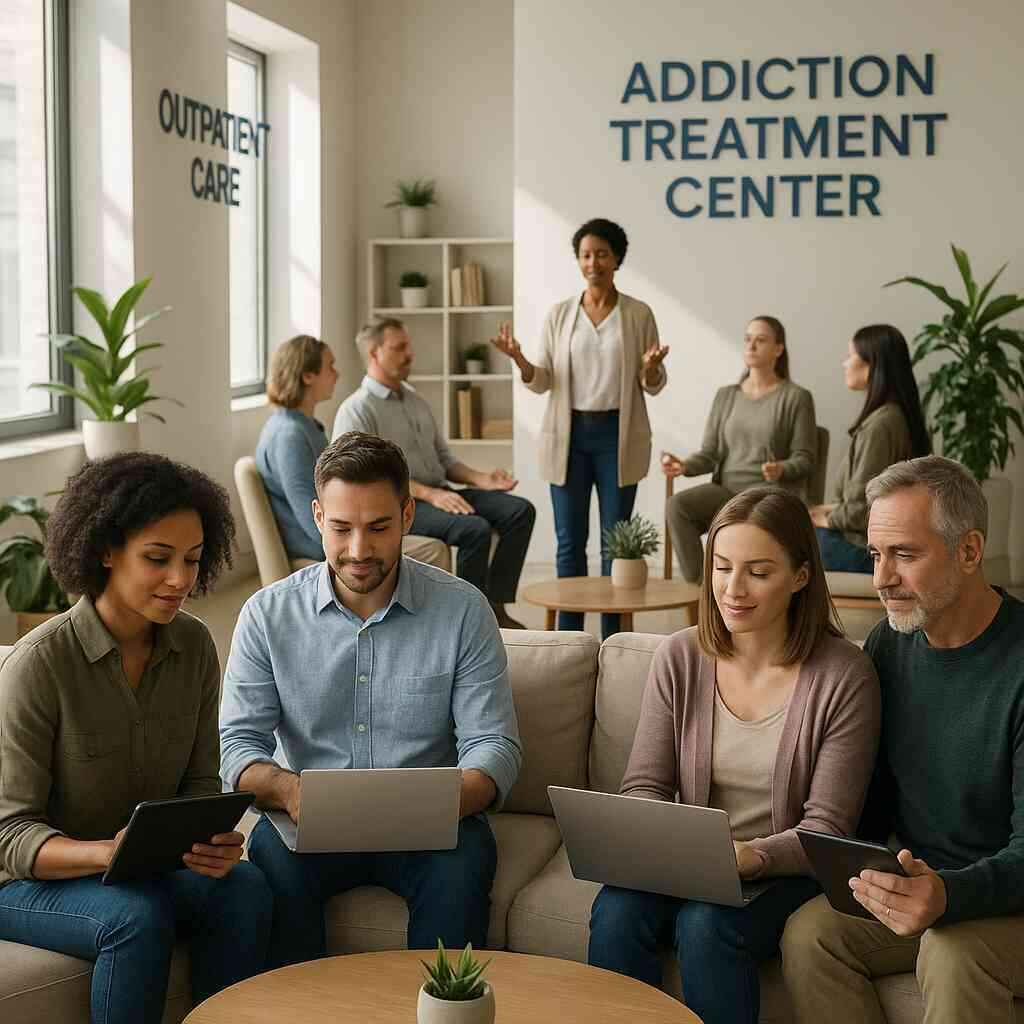
Adaptive Treatment Strategies: Tailoring Programs to Individual Needs
As the understanding of addiction deepens, the need for adaptive treatment strategies becomes more apparent. These strategies allow for the customization of treatment programs based on the specific needs, preferences, and progress of each individual. By leveraging data insights and therapeutic feedback, addiction treatment centers can refine and adjust treatment plans in real time. This flexibility enhances engagement and adherence, leading to more effective outcomes and empowering individuals to take an active role in their recovery.
Collaborative Care: Engaging Patients in Their Recovery Journey
A cornerstone of modern outpatient care is collaborative care in recovery, a model that actively engages patients as partners in their treatment journey. This approach recognizes the importance of patient input in fostering motivation and autonomy. Through regular consultations, shared decision-making, and personalized feedback, patients are better equipped to understand their condition and participate meaningfully in their recovery. This empowerment leads to greater satisfaction and stronger adherence to treatment, ultimately enhancing the efficacy of addiction recovery services.
Evidence-Based Therapies: Ensuring Effective and Proven Treatment
Reliance on evidence-based therapies reflects the commitment of addiction treatment services to provide scientifically proven methods. These therapies – including Cognitive Behavioral Therapy (CBT), Motivational Interviewing (MI), and contingency management – are grounded in extensive research and clinical trials that validate their success in addressing substance misuse and mental health challenges. Adopting evidence-based practices ensures that individuals receive the highest standard of care, supporting lasting recovery and reducing the likelihood of relapse.
Flexible Treatment Options: Catering to Diverse Lifestyle Needs
As lifestyles and societal norms continue to evolve, outpatient care must offer flexible treatment options that cater to a diverse range of needs. This flexibility is reflected in the variety of program offerings, including part-time or evening therapy sessions, virtual care pathways, and patient-specific treatment protocols. By delivering services that accommodate various schedules and preferences, addiction treatment centers empower more individuals to access care without disrupting their daily lives. This adaptability encourages greater participation and commitment to recovery.
Conclusion: Embracing Change for a Brighter Future
The Road Ahead: Continuous Evolution in Outpatient Care
The journey toward effective addiction treatment is ever-evolving, with outpatient care continuing to advance and adapt to new challenges and opportunities. Looking ahead, the integration of innovative practices and technologies remains central to evolving outpatient care. This forward momentum promises to enhance accessibility, personalization, and efficacy in treatment options, ensuring that recovery pathways are as dynamic and adaptive as the people they serve.
Empowering Recovery: The Role of Innovation in Addiction Treatment
Innovation is a powerful driving force in the evolution of addiction treatment services. By embracing cutting-edge approaches and technology that enhances addiction treatment, centers are equipped to offer more tailored and efficient care. The ability to apply new tools and methodologies enables treatment providers to support individuals in their recovery more effectively. Through continuous learning and adaptation, these solutions pave the way for sustained recovery outcomes and improved quality of life for individuals facing substance use disorders.
A Call to Action: Embracing New Paradigms for Lasting Impact
The ongoing transformation in addiction treatment calls on both providers and individuals to embrace new paradigms and explore the vast potential within evolving recovery frameworks. By participating actively in this transformation, we can collectively contribute to a more inclusive and effective system of care. Addiction Treatment Services invites you to explore the innovative and comprehensive outpatient programs available, ensuring a robust support network for those seeking to overcome addiction and achieve lasting sobriety. The path to recovery is ever-evolving, and embracing change is key to a brighter future for all.
Frequently Asked Questions
Question: How do telehealth addiction services play a role in evolving outpatient care in 2026?
Answer: In 2026, telehealth addiction services have become a cornerstone of evolving outpatient care. They provide a means for individuals to access expert care remotely, breaking down geographical barriers and making treatment more accessible. Through video sessions, virtual support groups, and online resources, individuals can engage in the recovery process without the need to commute to a physical location. This flexibility is key for those with busy schedules or who live in remote areas, ensuring they can receive continuous support and maintain their recovery journey.
Question: What innovative approaches are addiction treatment centers using to personalize treatment plans?
Answer: Addiction treatment centers are utilizing technology, such as digital health tools and data analytics, to create personalized treatment plans that adapt to the unique needs of each individual. These plans are adjusted in real time based on a patient’s progress and feedback, ensuring the most effective support throughout their recovery journey. By integrating these tools, treatment centers enhance patient engagement, leading to improved treatment outcomes and making the recovery process more person-centered and effective.
Question: How are family-centered recovery models contributing to more successful outpatient addiction therapy?
Answer: Family-centered recovery models in outpatient addiction therapy are crucial for building a strong support system around individuals in recovery. These models engage family members through educational workshops, therapy sessions, and support groups, fostering an environment of collaboration and understanding. By involving families, individuals receive additional emotional and practical support, which is instrumental in maintaining long-term recovery and preventing relapse, as it strengthens relationships and promotes empathy and open communication.
Question: What role do integrated care models play in the holistic approach to evolving outpatient care in 2026?
Answer: Integrated care models in 2026 blend mental and behavioral health services to provide a comprehensive approach to outpatient care. This integration ensures that all aspects of an individual’s well-being are addressed under one cohesive treatment plan. By offering mental health support alongside addiction therapy, treatment centers can more effectively address the psychological and physiological facets of addiction, improving outcomes and facilitating a more balanced, holistic recovery process.
Question: How is the blog titled ‘How Addiction Treatment Centers Are Evolving Outpatient Care in 2026’ relevant for individuals seeking flexible treatment options?
Answer: The blog ‘How Addiction Treatment Centers Are Evolving Outpatient Care in 2026’ highlights the advancements in flexible treatment options available for individuals seeking recovery. With innovations like telehealth services, adaptive treatment strategies, and evidence-based therapies, outpatient care is becoming more accessible and tailored to diverse lifestyle needs. These developments allow people to engage in their recovery journey without disrupting their daily routines, making it easier for them to maintain treatment adherence and achieve successful, lasting sobriety.