


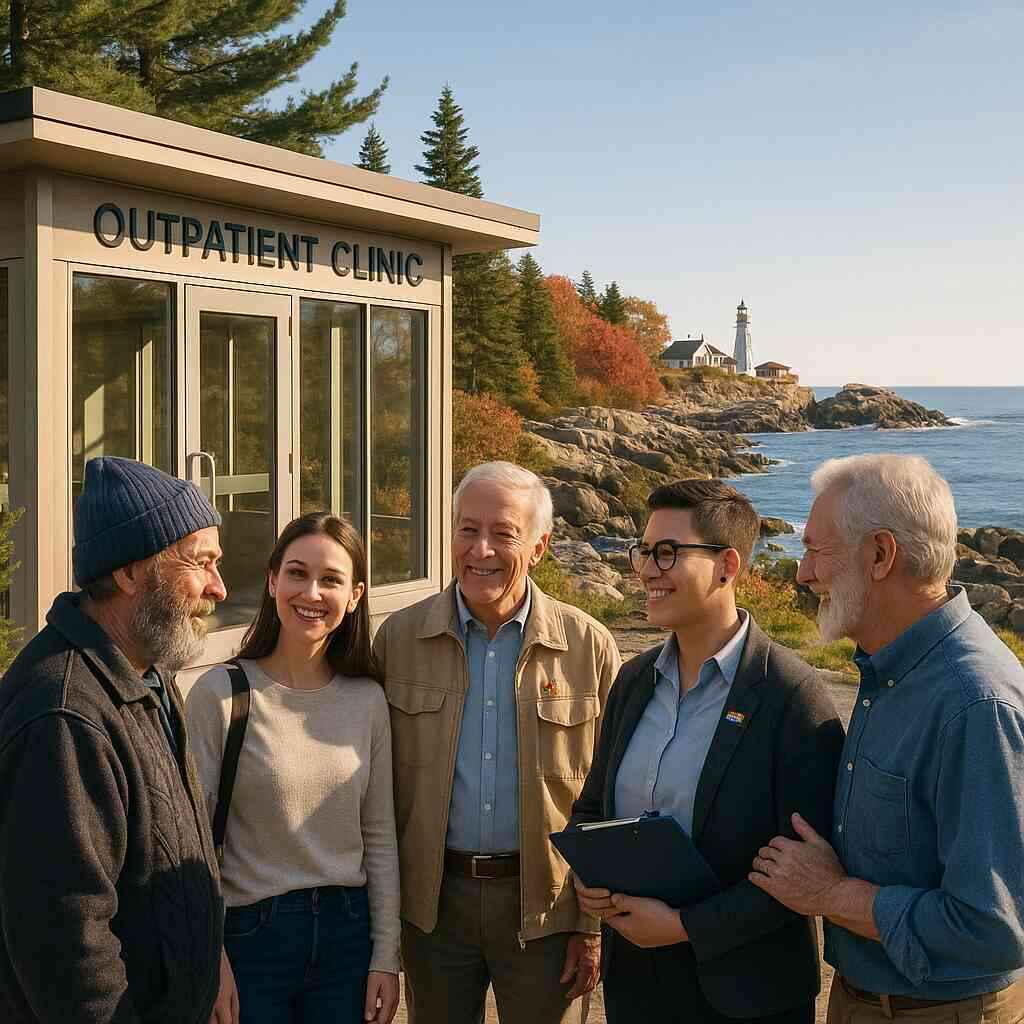
Opening the Door to Integrated Recovery in Maine
Why Dual Diagnosis Demands a Refined Response
Dual diagnosis treatment in Maine is not optional-it is essential. Experts understand that substance misuse often masks depression, anxiety, or PTSD. Treating one condition while ignoring the other invites relapse. Therefore, co-occurring disorder rehab in Maine programs blend medical detox, psychiatric assessment, and therapy. This refined response builds a united front against intertwined challenges. Bangor ME substance abuse and mental health treatment teams echo this comprehensive stance across hospital and community settings.
Integrated addiction and mental health care demands evidence and compassion. Maine addiction treatment centers now employ cognitive behavioral therapy, medication-assisted treatment, and peer coaching in tandem. Each element targets a different facet of the disorder, creating synergy. Early intervention specialists track withdrawal symptoms while counselors cultivate coping skills. Consequently, individuals witness steady progress instead of cycling through crises.
Addiction Treatment Services as the First Step from Overwhelm to Action
Overwhelm frequently paralyzes families searching for help. Addiction Treatment Services transforms paralysis into action by curating integrated addiction and mental health care resources in Maine. Our online directory lists outpatient dual care programs that Maine residents can reach within hours. Each listing details insurance acceptance, therapy models, and accessibility features. With this clarity, choosing a treatment facility feels manageable rather than daunting.
Users also gain phone guidance from trained navigators. These professionals outline the first step, whether medical detoxification or an intensive outpatient program Maine dual care. They discuss transportation, childcare, and financial aid, reducing hidden barriers. By spotlighting addiction treatment services near Maine visitors, the platform nurtures timely engagement. Momentum builds before substances can reclaim control.
Co-Occurring Realities Unique to Maine Communities
Maine’s rugged coastline and dense forests create pockets of isolation. In these areas, substance use disorders often intersect with seasonal affective symptoms and economic stress. Rural telehealth initiatives counter isolation by delivering therapy through encrypted video sessions. Clinicians adapt sessions to bandwidth limitations and cultural nuances common in lobster fishing towns. Such personalization improves retention in outpatient care.
Urban centers like Portland face different pressures, including fentanyl influx and rising rent costs. Here, residential dual diagnosis rehab in Maine programs offer safe respite plus vocational training. Adolescents gain mentorship, while veterans access trauma-informed addiction therapy Maine clinicians specialize in. LGBTQ-friendly addiction services that Maine residents trust also emerge, ensuring respect and safety. Collectively, these tailored services honor the state’s diverse co-occurring realities.
Navigating the Twin Currents of Substance Use Disorders and Mental Health
Mapping Maine Addiction Treatment Centers from Portland to Presque Isle
Maine addiction treatment centers dot the coastline, river valleys, and northern timberlands, creating a statewide safety net. Residents in Portland can access hospital‐based dual diagnosis treatment in Maine within city limits, while peers in Presque Isle rely on community clinics. Each facility lists medication‐assisted treatment, detoxification services, and peer recovery support, giving every family member clear choices. Integrated addiction and mental health care teams use shared electronic records, ensuring continuity even when clients transfer locations. Consequently, individuals feel supported rather than bounced between disconnected behavioral health services.
Public transportation remains limited in many counties, yet providers continually innovate. Some treatment facilities coordinate ride shares, while others dispatch mobile counseling units to remote town halls. These early intervention efforts reduce the risk of untreated withdrawal symptoms escalating into crises. Outpatient care slots open each morning, allowing Mainers to work seasonal jobs and still attend therapy. By tracking occupancy data statewide, policymakers can identify gaps and fund new co-occurring disorder rehab programs where the need spikes.
Rural Telehealth and Outpatient Dual Care Programs Bridging the Gaps
Isolation once forced rural residents to postpone treatment until problems became unmanageable. Today, outpatient dual care programs in Maine offer encrypted video sessions that rival in-person visits. Counselors introduce mindfulness techniques and CBT worksheets through screen sharing, while nurse practitioners monitor vitals with connected devices. This hybrid model keeps farm workers and fishers engaged during peak harvests, promoting steady progress. Therapists also teach clients to recognize withdrawal warning signs early, preventing emergencies that require long drives to distant hospitals.
Insurance hurdles can still derail progress, so navigators step in quickly. They explain coverage, sliding scales, and state grants, transforming confusion into actionable plans. When clients need guidance beyond clinical content, staff share outpatient dual care navigation tips for rural Mainers. The resource outlines scheduling hacks, internet bandwidth solutions, and caregiver coordination. Rural communities therefore move from feeling forgotten to feeling empowered within the recovery process. Trust grows as people see telehealth adapting to their realities rather than demanding relocation.
Veterans, Adolescents, and LGBTQ Individuals in Personalized Recovery Planning
Diverse populations face distinct pressures that can intensify substance misuse. Veterans may grapple with combat flashbacks, adolescents confront social media anxiety, and LGBTQ individuals battle stigma. Maine addiction treatment services counter these stressors by offering personalized recovery planning informed by trauma-informed addiction therapy from Maine experts. Clinicians screen thoroughly for PTSD, bullying trauma, and identity conflicts, then match clients with specialized peer mentors. Such matching reinforces belonging, a key predictor of long-term relapse prevention.
Programs also integrate family-inclusive recovery programs that Maine parents and partners can attend weekly. These sessions teach communication skills and boundary setting, equipping households to support medication compliance and coping practices. Residential dual diagnosis rehab in Maine facilities often layers vocational training and academic tutoring onto therapy schedules, addressing socioeconomic drivers of relapse. Staff continuously review data, refining interventions that keep each subgroup engaged. As a result, no one feels forced into a one-size-fits-all plan.
Medication-Assisted Treatment with Counseling as Evidence in Action
Science confirms that Maine’s medication-assisted treatment with counseling offers the strongest defense against opioid overdose and psychiatric destabilization. Buprenorphine or methadone stabilizes brain chemistry, while therapists tackle cognitive distortions fueling cravings. Regular toxicology screens provide objective feedback, encouraging honesty and reinforcing accountability within treatment programs. Coupled with mindfulness-based relapse prevention Maine strategies, MAT enables individuals to reclaim daily routines without constant fear of relapse.
Clinicians remain vigilant about polypharmacy risks, especially when co-prescribing antidepressants for depression or anxiety. Interdisciplinary rounds align dosing schedules and monitor side effects, embodying the behavioral health integration that Maine advocates champion. Peer educators distribute plain-language guides explaining how MAT interacts with nutrition, exercise, and sleep hygiene. Graduates often transition into sober living houses Maine dual care residents share, cementing healthy habits. Collectively, these measures prove that evidence, empathy, and structure can coexist in modern addiction recovery services.
 Crafting Whole-Person Pathways to Stability
 Crafting Whole-Person Pathways to Stability
Trauma-Informed and Holistic Dual Care Approaches
Trauma-informed practices dominate modern integrated addiction and mental health care in Maine. Clinicians recognize that unresolved trauma drives many substance use patterns. Therefore, Maine addiction treatment centers assess adverse experiences during every intake. Therapists then weave mindfulness, nutritional coaching, and expressive arts into holistic dual care approaches. This multifaceted design soothes nervous systems while strengthening coping. Clients feel respected rather than pathologized.
Trauma-informed addiction therapy specialists deliver sessions in calm, sensory-sensitive rooms. Lighting remains soft, exits stay visible, and start times remain predictable. Such environmental consistency lowers hypervigilance, allowing deeper exploration of memories. Somatic exercises help clients notice muscle tension before cravings mount. Over time, these subtle interventions decrease flashbacks and improve sleep, key relapse predictors. Lived-experience mentors reinforce progress by modeling grounding techniques during peer recovery gatherings.
Cognitive Behavioral and Mindfulness-Based Relapse Prevention
Cognitive behavioral therapy for substance misuse Maine providers deliver continues to anchor evidence-based relapse prevention that Maine families trust. Therapists teach clients to track automatic thoughts that trigger cravings. Clients practice reframing distortions such as catastrophizing or all-or-nothing thinking. Between sessions, mood diaries reveal patterns connecting loneliness and urges. As awareness grows, individuals replace impulsive reactions with carefully rehearsed coping scripts.
Mindfulness-based relapse prevention groups complement CBT by sharpening present-moment attention. Participants practice breath awareness whenever physiological arousal spikes. This simple pause interrupts the craving cycle long enough to choose healthier responses. Facilitators also share proven relapse prevention strategies for Maine clients, translating complex neuroscience into everyday language. Weekly homework assigns guide meditations that fit lobster boats, classrooms, or carpentry shops, ensuring relevance across Maine livelihoods.
Family-Inclusive and Peer Recovery Support Services
Families often fear they will say the wrong thing and derail progress. Family-inclusive recovery programs Maine clinicians facilitate transform that fear into informed action. Weekly workshops explain boundaries, communication skills, and medication routines in plain English. Loved ones then practice structured dialogues that defuse blame and invite accountability. When households align, clients experience fewer triggers at home and stronger motivation to attend sessions.
Peer recovery support Maine networks extend this family mindset into the wider community. Certified peers with lived experience staff recovery centers, coffee shops, and virtual chat rooms. They model resilience while assisting with job searches, transportation, and court paperwork. Their presence normalizes help-seeking and bridges emotional gaps between clinical appointments. Addiction treatment services near Maine callers can speak with a peer within minutes, preventing stumbles from ballooning into a crisis.
Intensive Outpatient Programs and Residential Rehab Synergy
Intensive outpatient program Maine dual care tracks offer rigorous structure without demanding overnight stays. Clients attend therapy four evenings weekly while maintaining jobs or classes. When symptoms spike, clinicians coordinate temporary admission to residential dual diagnosis rehab in Maine facilities. This stepped-care model ensures safety without unnecessary institutionalization. Shared electronic records allow counselors to pick up treatment plans seamlessly after discharge.
Synergy grows further through combined alumni events that gather outpatient and residential graduates. Speakers celebrate milestones and clarify expectations for future transitions. Pharmacists review medication-assisted treatment schedules, preventing lapses during program shifts. Behavioral health integration Maine administrators analyze outcome data, continually refining admission criteria and length-of-stay guidelines. Clients perceive the entire network as one cohesive pathway rather than fragmented services.
Sustaining Momentum Beyond Detox and Discharge
Continuing Care and Sober Living Houses Anchoring Recovery
Leaving inpatient treatment can feel disorienting, so continuing care for dual diagnosis Maine residents blends clinical supervision with real-world practice. Case managers schedule follow-up psychiatric appointments while recovery coaches monitor medication-assisted treatment adherence. Clients then transition into sober living houses that Maine dual care advocates endorse. These structured homes require chores, curfews, and regular meeting attendance, fostering discipline that protects early gains. Housemates share coping strategies and celebrate milestones, transforming isolation into communal motivation.
Financial and logistical barriers once limited access to sober housing, yet providers now collaborate with civic leaders to expand bed availability. Some programs offer sliding-scale rent or scholarship funds, making stability attainable regardless of income. Staff receive trauma-informed addiction therapy in Maine training, enabling them to de-escalate triggers before they explode. Weekly on-site groups revisit cognitive behavioral therapy for substance misuse Maine clinicians introduced earlier, reinforcing thought-restructuring skills. Residents thus experience a seamless bridge rather than a cliff between residential care and full independence.
Community-Based Addiction Treatment Services Directory as Lifeline
Recovery also depends on quick access to trustworthy information whenever needs shift. The Maine addiction treatment services directory curated by Addiction Treatment Services operates as a constantly updated compass. Families open the platform to compare outpatient dual care programs that Maine towns offer alongside telehealth options for rural users. Each listing details insurance acceptance, transportation partnerships, and cultural competencies, removing guesswork from urgent decisions. As a result, seekers spend energy acting instead of sifting through outdated phone books.
With one click, users can locate dual diagnosis programs near Maine that match specific symptoms and scheduling realities. Filters highlight veteran-specific counseling or LGBTQ-affirming groups, proving that personalized recovery planning Maine clinicians champion is within reach. Facilities may even submit new entries through “list your Maine recovery service for co-occurring disorders,” ensuring the directory grows alongside community innovation. This living database therefore functions less as a static phone list and more as an interactive recovery ecosystem.
Early Intervention and Relapse Warning-Sign Recognition
Relapse rarely occurs without warning; subtle shifts in mood, sleep, or social patterns usually surface first. Clinicians teach clients and loved ones to track these signals through daily journals and shared smartphone apps. They also distribute guides that help households recognize withdrawal warning signs early in recovery. By responding to cravings or despair within hours, families convert potential crises into manageable conversations. Such vigilance exemplifies behavioral health integration Maine policy makers advocate statewide.
Early intervention for co-occurring disorders often involves brief telehealth check-ins or a single medication adjustment, not a full rehospitalization. Outpatient care teams therefore keep flexible scheduling blocks reserved for urgent walk-ins. Peer recovery support Maine networks compliment these clinical safeguards, offering non-judgmental listening at any hour. Together, these layers create an environment where slipping does not automatically become falling. Clients internalize the message that mistakes invite problem-solving, not punishment.
Charting the Future of Integrated Behavioral Health in Maine
Maine continues to refine evidence-based relapse prevention that Maine residents deserve by embracing data dashboards and community feedback loops. Treatment programs now share anonymized outcomes, allowing researchers to identify which holistic dual care approaches drive the longest sobriety streaks. This transparency fuels grant funding for rural Maine telehealth addiction services and innovative intensive outpatient program Maine dual care models. Policymakers respond by expanding broadband and incentivizing clinicians to practice in underserved counties.
Families, providers, and graduates collectively envision a future where every town square hosts free peer recovery meetings and every clinic screens for substance misuse alongside blood pressure. Contacting experts on behavioral health integration in northern New England influences training curricula, ensuring new professionals master trauma-informed methods from day one. As these advances converge, Maine stands poised to become a national exemplar of whole-person, lifelong recovery support. The journey is ongoing, yet momentum continues to build with every connected step.
Frequently Asked Questions
 Frequently Asked Questions
Question: How does Addiction Treatment Services help Maine residents locate integrated addiction and mental health care without delay?
Answer: Addiction Treatment Services maintains the most comprehensive Maine addiction treatment services directory online. With a single search, you can filter for dual diagnosis treatment in Maine, outpatient dual care programs in Maine towns host, or residential dual diagnosis rehab that Maine clinicians recommend. Each listing shows insurance options, transportation support, and evidence-based practices like cognitive behavioral therapy for substance misuse that Maine providers deliver. If you still feel uncertain, a trained navigator is only a phone call away to discuss detoxification services, withdrawal symptoms management, or the first step into an intensive outpatient program Maine dual care track. That blend of live guidance and real-time data turns overwhelm into confident action.
Question: What makes the dual diagnosis approach described in How Addiction Treatment Services Refine Dual Care in Maine different from standard rehab programs?
Answer: Traditional rehab often treats substance use disorders and mental health conditions in separate silos, increasing relapse risk. The blog How Addiction Treatment Services Refine Dual Care in Maine explains how co-occurring disorder rehab Maine teams integrate psychiatric assessment, Maine medication-assisted treatment with counseling, and trauma-informed addiction therapy Maine residents trust-all under one roof. Through behavioral health integration Maine specialists coordinate medication, CBT, and mindfulness-based relapse prevention groups so clients aren’t bounced between disconnected providers. Addiction Treatment Services makes it easy to find these whole-person programs by tagging facilities that offer true integrated addiction and mental health care, ensuring you receive seamless support from detox to continuing care.
Question: I live in a remote coastal village-can Addiction Treatment Services connect me with rural Maine telehealth addiction services so I don’t have to travel far?
Answer: Absolutely. Our directory highlights rural Maine telehealth addiction services that deliver encrypted video counseling, prescription management, and peer recovery support to Maine networks straight to your home. Filters let you select bandwidth-friendly platforms and providers who understand lobster-fishing or forestry work schedules. Many of these clinics also run mobile units for labs and vitals, ensuring early intervention for co-occurring disorders without long drives. By listing contact details, sliding-scale fees, and internet requirements, Addiction Treatment Services removes the barriers that once kept isolated Mainers from timely care.
Question: How do family-inclusive recovery programs in Maine operate, and can Addiction Treatment Services guide my loved ones into them?
Answer: Family-inclusive recovery programs Maine clinicians facilitate by inviting parents, partners, or adult children into weekly skill-building sessions. Topics range from boundary setting and relapse warning-sign recognition to supporting medication-assisted treatment schedules. Addiction Treatment Services flags these programs in our addiction treatment services directory so you can quickly find a facility that welcomes loved ones. We also provide articles and helpline support to coach family members on communication techniques that complement holistic dual care approaches, ensuring the entire household becomes an active part of the recovery process.
Question: Does the Addiction Treatment Services directory list medication-assisted treatment with counseling options, and how does this support evidence-based relapse prevention in Maine?
Answer: Yes. You can use our filters to locate clinics offering buprenorphine, methadone, or naltrexone alongside counseling. Maine medication-assisted treatment with counseling stabilizes brain chemistry while therapists tackle cognitive distortions, trauma triggers, and lifestyle habits that fuel cravings. Facilities often pair MAT with mindfulness-based relapse prevention Maine groups and sober living houses that Maine dual care graduates transition into. By presenting this layered support in one convenient directory, Addiction Treatment Services empowers you to build a personalized recovery plan that Maine residents can sustain for the long haul.