


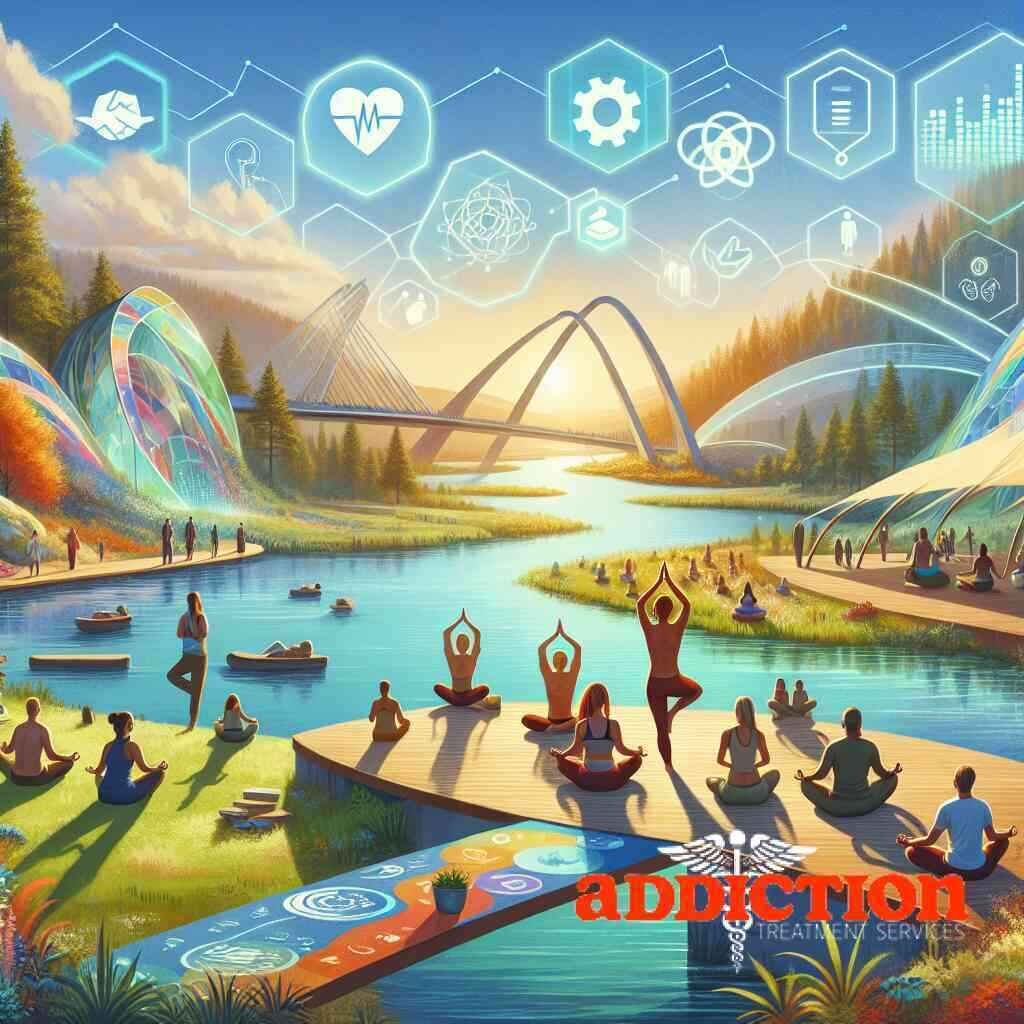
Unveiling the Future of Florida’s Addiction Treatment Landscape
Pioneering Innovations in Substance Use Disorder Solutions
Florida is at the forefront of pioneering innovations in Florida addiction treatment, setting new benchmarks in substance use disorder solutions. By adopting a holistic approach that addresses both addiction and mental health issues, Florida’s treatment centers are providing a comprehensive framework that revolutionizes care. Cutting-edge methodologies, including personalized therapy plans and community-based support systems, are ensuring that patients not only recover but thrive in their post-recovery lives.
Moreover, the state has capitalized on advancements in understanding addiction mechanisms, enabling more accurate diagnoses and targeted interventions. This has led to the development of advanced substance use disorder solutions, making recovery more attainable and sustainable. Through a combination of innovation and empathy, Florida is crafting a robust blueprint for addressing addiction.
Tech-Driven Evolution in Addiction Services
Florida’s addiction treatment services have embraced technological advancements, creating a new paradigm for recovery. The integration of telehealth platforms and mobile applications allows for constant patient-provider communication, fostering a supportive environment regardless of physical location. This tech-driven evolution enables real-time monitoring of patient progress, providing timely interventions whenever necessary.
Furthermore, behavioral health improvements are being amplified by technology, with artificial intelligence algorithms offering personalized treatment recommendations based on individual patient data. This shift towards tech-driven addiction solutions in Florida is not only augmenting traditional methods but also making services more accessible and efficient, thereby expanding the reach of recovery opportunities.
The Role of Florida’s Marchman Act in 2025’s Treatment Framework
The Florida Marchman Act continues to play a pivotal role in shaping the state’s treatment framework by providing a legal mechanism to address substance abuse. This unique statute allows families and loved ones to petition the courts for involuntary assessment and treatment of individuals struggling with addiction. By 2025, the Act will have been refined to strike a balance between patient autonomy and the necessity of intervention in dire situations.
The modern iteration of the Marchman Act emphasizes collaborative approaches with medical and behavioral health professionals, ensuring that patients receive comprehensive care. This compassionate approach underscores The Marchman Act’s impact on treatment by fostering environments conducive to recovery while safeguarding individual rights.
Advanced Approaches to Comprehensive Care
Integrating AI and Behavioral Health for Enhanced Recovery
As Florida navigates the complexities of addiction treatment in 2025, the integration of AI into behavioral health presents a monumental leap forward. By leveraging AI in behavioral health for recovery, treatment centers are refining their approaches, using data to tailor interventions that address the unique needs of each patient. This technology-driven strategy is revolutionizing how clinicians assess progress and modify treatment plans, ensuring that patients receive care that evolves with their recovery journey.
AI-assisted tools are providing unprecedented insights into patient behavior, enabling early detection of potential relapses and supporting substance misuse solutions in Florida. This technological synergy not only enhances behavioral health improvements but also allows a more proactive approach in managing mental health initiatives. The result is a more resilient recovery trajectory, emphasizing individualized care and continuous support.
Dual Diagnosis Treatments: Advancements and Best Practices
Florida is setting the stage for cutting-edge dual diagnosis advancements in Florida, recognizing the intricate link between mental health disorders and substance use disorders. These advanced practices are pivotal in creating treatment plans that address the complexity of concurrent conditions, fostering environments where comprehensive care is the norm rather than the exception.
With a focus on understanding addiction, treatment facilities are incorporating cognitive-behavioral therapies alongside psychopharmacology, providing a balanced framework that supports both mental and physical health. This holistic approach ensures patients receive well-rounded care, paving the way for more robust and sustainable recovery processes that include relapse prevention strategies in Florida. Collaboration among mental health professionals and addiction specialists is integral, guiding patients through a transformative healing journey.
Innovative Medication-Assisted Treatment Developments
Medication-assisted treatment (MAT) is evolving in Florida, representing a critical component in the state’s strategy to combat addiction. The evolution of medication-assisted treatment is marked by innovative protocols that are both patient-centered and evidence-based. These developments highlight a shift towards medications that not only aid in detoxification services but also support long-term recovery.
By incorporating MAT with counseling and behavioral therapies, Florida is addressing withdrawal symptoms more effectively, reducing the physical burden on patients during early recovery. This comprehensive approach underscores the role of MAT in reducing substance misuse solutions in Florida, illustrating its potential to transform the addiction treatment landscape into a more accessible, efficient, and patient-focused system. The synergy between medical intervention and therapeutic support underscores the state’s commitment to pioneering recovery innovations.

The Human Touch in Digital Transformation
Redefining Family Support in Recovery through Technology
In the heart of Florida’s addiction treatment landscape, technology is transforming the role of family support in recovery. By 2025, innovative platforms will be bridging geographical divides, enabling families to stay connected with their loved ones, irrespective of location. These digital tools provide real-time updates on the recovery progress, offering family members insights into the treatment process. This transparency empowers them to offer informed support, assisting in more substantial recovery outcomes.
Moreover, technology facilitates virtual support groups, creating communities where families can share experiences and tips for fostering a supportive home environment. Such initiatives are crucial in ensuring sustained recovery, reinforcing the idea that addiction recovery thrives on collective support. By integrating these tools into recovery plans, treatment centers are redefining the landscape, offering a comprehensive approach to family support in addiction recovery in Florida, which is crucial for long-term success.
Holistic Treatment Synergies: Traditional Meets Modern
Florida’s treatment services in 2025 are embracing a holistic model that blends age-old practices with modern innovations. This synergy is at the core of holistic addiction recovery methods in Florida, where traditional therapies like meditation and yoga coexist with cutting-edge technological interventions. This integration ensures a well-rounded recovery experience, addressing both the physical and mental dimensions of addiction.
The holistic approach highlights the benefits of personalized care plans that adapt to individual needs, promoting mental clarity and emotional stability. By incorporating elements like mindfulness into daily routines, patients are equipped with the tools to manage cravings and stress. Hence, blending these methodologies fosters a nurturing environment where ancient wisdom and modern technology coexist, providing a path to healing that honors the complexities of addiction.
New Relapse Prevention Methods: The Intersection of Science and Care
Emerging relapse prevention techniques in Florida are a testament to the power of innovation in 2025. By harnessing scientific advancements, these methods offer an array of strategies to identify and mitigate triggers. The integration of AI, for instance, provides predictive analytics, alerting caregivers to potential relapse situations based on patient behavior patterns.
This proactive approach is complemented by relapse prevention strategies in Florida, which leverage a combination of cognitive-behavioral techniques and pharmacological support. Such strategies emphasize personal empowerment, enabling individuals to build resilience against relapse. This multifaceted approach ensures a robust support system, where scientific insights and compassionate care intersect to foster sustainable recovery journeys.
Innovative Programs Shaping Florida’s Treatment Services
Revolutionizing Outpatient and Intensive Outpatient Care
Florida’s addiction treatment services are witnessing a transformative phase in 2025, marked by revolutionizing outpatient care. This evolution is underpinned by innovative strategies designed to enhance patient engagement and treatment efficacy. Outpatient programs now incorporate cutting-edge digital tools, which provide seamless continuous support even outside the treatment centers. By leveraging technology, these programs facilitate personalized interactions, thereby tailoring interventions that align with individual patient needs. Additionally, intensive outpatient care is becoming more accessible, featuring flexible schedules that allow patients to integrate therapy into their daily lives without significant disruption.
A hallmark of Florida’s approach is the integration of community resources into treatment plans, enhancing support networks for those in recovery. This holistic strategy not only improves patient outcomes but also empowers families to contribute meaningfully to the recovery process. Innovative therapies and expanded facility networks are further augmenting the reach of outpatient services, marking a new era of empowerment and resilience for patients.
Early Intervention Strategies: Breaking Ground
The landscape of addiction recovery in Florida is being reshaped by groundbreaking early intervention strategies. The state’s treatment facilities are prioritizing proactive measures that identify substance misuse at its nascent stages. By implementing sophisticated screening tools and predictive algorithms, these facilities can swiftly recognize at-risk individuals, facilitating timely intervention. This forward-thinking approach is geared towards the prevention of escalation into severe addiction, fostering a more resilient population poised for recovery success.
Moreover, the emphasis on community education campaigns is pivotal. By raising awareness about the signs of substance misuse and promoting the accessibility of treatment resources, Florida is nurturing informed communities ready to support timely interventions. Supportive measures, including family counseling and educational workshops, are reinforcing these efforts, ensuring that intervention is a shared responsibility across society.
Enhanced Detoxification Protocols for Streamlined Recovery
2025 marks a significant advancement in Florida’s addiction treatment landscape with the development of advanced detoxification methods in Florida. These evolved protocols are central to a streamlined recovery pathway, characterized by efficiency and patient-centric care. The comprehensive detox programs focus on minimizing withdrawal symptoms while maximizing patient comfort, thus laying a solid foundation for ongoing recovery.
Treatment centers are adopting state-of-the-art medical practices, integrating precision medicine techniques to tailor detox plans that cater to individual biological and psychological profiles. This approach not only ensures safety but also enhances recovery receptivity, preparing individuals for subsequent therapeutic interventions. Additionally, a focus on nurturing the mental health of patients during detoxification underlines the holistic view adopted by Florida, reiterating its commitment to pioneering cutting-edge recovery solutions in Florida. With these innovations, the state continues to exemplify a leading model in addiction treatment excellence.

Conclusion: A Vision for a Brighter Future in Florida’s Recovery Process
Sustaining Momentum: Long-Term Strategies for Continued Success
Florida’s commitment to advancing addiction treatment services in 2025 demonstrates a strategic focus on sustaining momentum. With the implementation of innovative outpatient programs in Florida, treatment facilities are embracing technology and personalization to maintain engagement post-treatment. Long-term success hinges on continuously evolving these programs to incorporate feedback and research-backed methodologies. Furthermore, investment in professional training ensures therapists remain at the forefront of new recovery strategies, helping patients navigate the intricacies of addiction with expert guidance.
Creating robust aftercare and alumni networks emerges as another critical strategy. These communities offer peer support, a vital component in sustaining long-term sobriety. By enhancing these networks with digital platforms, Florida ensures accessible and continuous support. The state’s vision is to foster environments where individuals can recover holistically, with treatment centers actively involved in their alumni’s recovery journey.
A Unified Front: Collaboration Across Treatment Facilities
Collaboration among Florida’s addiction treatment centers exemplifies a unified front in tackling substance misuse. By sharing resources and expertise, these facilities optimize their capacity to offer comprehensive care. Joint initiatives in behavioral health improvements underscore the importance of collective efforts, emphasizing patient-centered solutions that see beyond institutional boundaries.
Moreover, partnerships span beyond treatment facilities to include governmental bodies and community organizations. This cross-sector collaboration is paramount to creating integrated care models that can respond to the multifaceted nature of addiction. By aligning goals and leveraging combined strengths, Florida forges a robust network that sets a high standard in addressing substance use disorders.
Florida as a Beacon of Hope in Nationwide Addiction Recovery
In 2025, Florida stands as a beacon of hope in nationwide addiction recovery, leading by example in innovation and empathy. Its progressive approach resonates with other states, inspiring a nationwide movement towards reformative addiction treatment methods. Key programs, like intensive outpatient care, demonstrate the potential of blending adaptability with rigorous care standards.
By showcasing successful recovery stories, Florida reinforces the power of resilience and community support. Its comprehensive frameworks offer replicable models that other states can adapt to their unique challenges. Florida’s leadership in this arena not only redefines local standards but also cultivates a national conversation about effectively addressing and overcoming addiction.
Frequently Asked Questions
Question: How is technology reshaping addiction recovery services in Florida by 2025?
Answer: In 2025, technology is at the forefront of revolutionizing addiction recovery services in Florida. The state is leading by example with tech-driven solutions that enhance communication and treatment efficacy. The integration of telehealth platforms and mobile applications in addiction services allows patients to receive support regardless of their physical location. This innovation fosters continuous engagement between patients and providers, enabling real-time progress monitoring and timely interventions. Moreover, artificial intelligence is leveraged to provide personalized treatment recommendations, increasing the accessibility and efficiency of recovery opportunities. By embracing these advancements, Florida demonstrates a commitment to enhancing addiction recovery and supporting individuals at every stage of the recovery process, establishing itself as a model for other states to follow.
Question: What cutting-edge dual diagnosis advancements are taking place in Florida, and how do they enhance treatment services?
Answer: Florida is pioneering significant advancements in dual diagnosis treatments, recognizing the intricate connections between mental health disorders and substance use disorders. This approach in 2025 involves creating comprehensive care plans that address both conditions simultaneously, employing cutting-edge therapies. Treatment facilities in Florida incorporate cognitive-behavioral therapies alongside psychopharmacology to provide a balanced approach that supports mental and physical health. By focusing on understanding addiction in the context of mental health, these advancements lead to more robust and sustainable recovery processes. Collaboration between mental health professionals and addiction specialists is key, ensuring that patients receive well-rounded care tailored to their unique needs. These efforts embody best practices in dual diagnosis treatment, cementing Florida’s leadership in innovative addiction care solutions.
Question: How does the Marchman Act complement Florida’s treatment services in 2025?
Answer: The Florida Marchman Act continues to be a pivotal component of the state’s treatment framework in 2025, complementing the variety of addiction services available. This unique statute allows families to petition the courts for involuntary assessment and treatment of loved ones in crisis. By 2025, the Marchman Act will have been refined to strike a balance between patient autonomy and the need for intervention in critical situations. This legal mechanism enables a compassionate approach, facilitating collaborative efforts with medical and behavioral health professionals to provide comprehensive care. The ongoing refinement of the Marchman Act underscores its effectiveness in safeguarding individual rights while ensuring necessary treatment, contributing to the state’s holistic strategy for addressing addiction and mental health challenges.
Question: In the blog How Florida Enhances Treatment Services in 2025, what role does medication-assisted treatment play?
Answer: Within the scope of How Florida Enhances Treatment Services in 2025, medication-assisted treatment (MAT) emerges as a crucial element of the state’s strategy against addiction. MAT in Florida involves the use of innovative, evidence-based protocols that are both patient-centered and geared towards long-term recovery. By integrating MAT with counseling and behavioral therapies, the state ensures a comprehensive approach to addressing withdrawal symptoms and supporting recovery. These efforts highlight the effectiveness of combined medical and therapeutic interventions in reducing substance misuse. Florida’s ongoing advancements in MAT not only improve withdrawal management but also underscore the potential for creating a more accessible and efficient treatment landscape. This commitment to innovative recovery solutions positions Florida at the forefront of addiction treatment excellence.
Question: Can you explain how holistic addiction recovery methods are enhancing treatment services in Florida?
Answer: Holistic addiction recovery methods are transforming treatment services in Florida by embracing a comprehensive model that incorporates both traditional practices and modern innovations. In 2025, Florida treatment centers blend therapies like meditation and yoga with state-of-the-art technological interventions to address physical and mental aspects of addiction. This approach offers personalized care plans that adapt to individual patient needs, promoting mental clarity and emotional stability. Methods such as mindfulness and stress management become essential tools for patients, equipping them to tackle cravings and avoid relapse. By integrating ancient wisdom with modern technology, Florida provides a nurturing environment that respects the complexities of addiction, setting new standards for holistic treatment impact and enhancing recovery outcomes.