


Introduction: Charting New Horizons in Illinois Addiction Treatment
The Changing Landscape of Addiction Services
As Illinois steps into 2025, the landscape of addiction services is undergoing a transformative evolution. This shift is driven by a heightened understanding of the complexities surrounding substance use disorders and a renewed commitment to creating effective and accessible solutions. Addiction treatment centers across the state are reimagining their approaches, integrating innovative strategies to better address the evolving needs of individuals seeking recovery. The focus is on developing a cohesive support network that not only treats addiction but also supports long-term recovery, acknowledging the pivotal role family members and communities play in the healing process. With an array of treatment options now available, finding the right fit for addiction treatment services near you has never been more critical.
Innovations Shaping the Future of Recovery
Innovation is the heartbeat of Illinois’ addiction treatment evolution, ushering in cutting-edge practices that redefine recovery. Groundbreaking approaches, such as digital platforms and smartphone apps, connect individuals with vital resources and support at their fingertips, facilitating ongoing engagement and reducing barriers to care. Additionally, the integration of virtual reality therapy and AI-driven personalization enhances the efficacy of behavioral health interventions, ensuring that treatment is both adaptive and precise. By prioritizing advancements in technology and personalized care, innovative addiction treatment in Illinois provides a comprehensive framework that empowers individuals on their journey to sobriety.
Why Illinois is Poised for Transformation
Illinois stands at the forefront of addiction recovery breakthroughs due to its strong commitment to policy innovation, collaboration, and comprehensive care models. The state’s proactive stance in addressing mental health integration within addiction services has become a template for other regions seeking to harmonize these vital aspects of treatment. This means more cohesive support systems that align with the nuanced needs of those recovering from substance use disorders. Illinois’ dedication to fostering an inclusive treatment ecosystem-encompassing everything from cutting-edge detox centers to robust community support initiatives-positions it as a leader in the national landscape. As we chart new horizons in addiction treatment services, Illinois is shaping a future where recovery is not just a possibility but a reality for more individuals than ever before.
Pioneering Approaches: Breakthroughs in Illinois’ Behavioral Health
Innovative Addiction Treatment Modalities
Illinois has positioned itself as a trailblazer in behavioral health advancements, setting innovative benchmarks in addiction treatment. The state’s commitment to pioneering modalities is transforming how substance use disorders are addressed. From experiential therapies like art and music therapy to evidence-based treatments such as cognitive-behavioral therapy, Illinois’ approach is comprehensive and multifaceted. These treatment modalities are crafted to cater to the diverse needs of individuals battling addiction, providing them with personalized paths to recovery tailored to their specific circumstances and challenges.
Further enhancing its innovative stance, Illinois has embraced integrated care models that combine physical health, mental health, and addiction treatment. This holistic approach ensures that every aspect of an individual’s well-being is addressed, promoting a more sustainable and holistic recovery. These models are particularly effective in managing co-occurring disorders, where mental health issues accompany substance abuse, offering hope and a structured pathway to recovery.
Empowering Recovery Through Technology
In 2025, Illinois is at the forefront of integrating cutting-edge technology into addiction recovery. The state leverages advancements in digital platforms and apps to empower individuals on their journey to sobriety. These technological tools facilitate immediate access to resources, enable continuous monitoring of progress, and provide a supportive community through virtual meetings and forums. Through these platforms, individuals can engage with behavioral health professionals and peers, fostering a sense of connection and accountability crucial to the recovery process.
Virtual reality is emerging as a game-changer in therapy, offering immersive environments that help individuals practice coping strategies in simulated real-life scenarios. Illinois is also harnessing the power of AI to personalize addiction treatments, ensuring interventions are tailored to individual needs and circumstances. By embedding innovative addiction recovery technology in Illinois, the state is paving the way for a future where recovery is more accessible and effective, breaking down barriers to care.
From Dual Diagnosis to Holistic Healing: Expanding Care in 2025
The recognition of dual diagnosis as a critical component of effective addiction treatment is reshaping the landscape of care in Illinois. Dual diagnosis programs address the complex interplay between mental health disorders and substance use, providing specialized treatment that targets both simultaneously. This approach is pivotal in achieving lasting recovery, as untreated mental health issues can significantly impede the process. Illinois’ focus on these programs reflects its understanding of the intricate dynamics of addiction and mental health, paving the way for more effective and comprehensive treatment outcomes.
Additionally, Illinois is championing holistic addiction treatment approaches that encompass the physical, mental, and spiritual dimensions of health. Techniques such as mindfulness, yoga, and acupuncture are integrated into conventional treatment plans, offering individuals a well-rounded approach to healing. This strategy not only aids in managing withdrawal symptoms but also strengthens resilience against relapse. The state’s commitment to holistic addiction treatment in Illinois 2025 underscores its dedication to evolving care models that support individuals in achieving sustainable recovery.
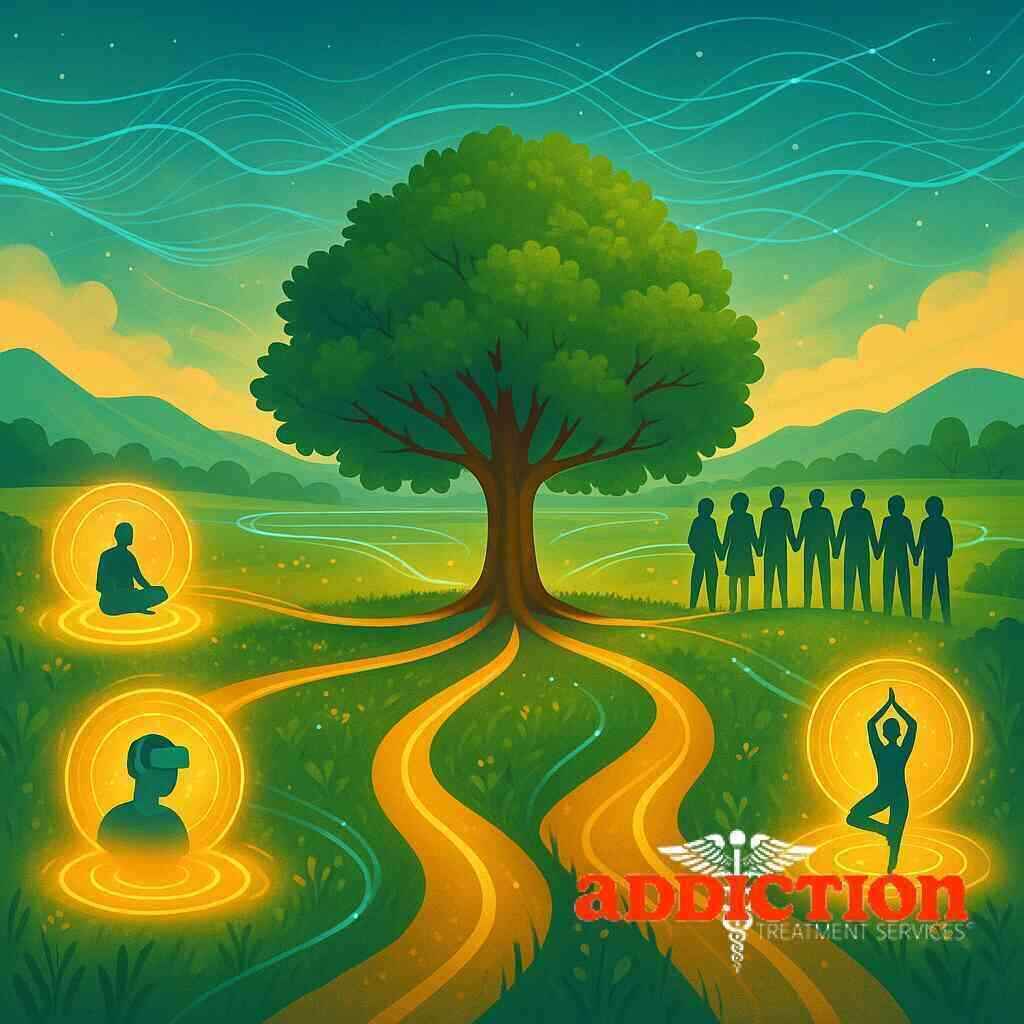
Community and Care: Building an Inclusive Treatment Ecosystem
Family-Centered Recovery: Involving Loved Ones
In Illinois, the role of family in the recovery process has become a cornerstone of addiction treatment. Family-centered addiction recovery in Illinois acknowledges that loved ones play a crucial part in an individual’s path to sobriety. Treatment programs now incorporate family therapy and education sessions, fostering a deeper understanding of substance use disorders among family members. This approach not only helps in healing strained relationships but also reinforces a supportive environment that encourages long-term recovery. By involving family members actively, Illinois addiction treatment centers help create a robust support system that significantly enhances treatment outcomes and reduces the likelihood of relapse.
Moreover, family involvement extends beyond therapy sessions. Support groups for family members offer a platform to share experiences, learn coping strategies, and gain insights into the recovery journey. These groups empower families with tools to better support their loved ones, creating a shared commitment to sobriety and well-being. As addiction treatment evolves, Illinois is paving the way for more inclusive recovery processes that emphasize the pivotal role of family in healing and transformation.
The Role of Community Support in Recovery Success
Community support plays an indispensable role in the recovery journey, providing individuals with a network of understanding peers and mentors. Illinois has embraced various forms of community support in addiction services, including AA Meetings and NA Meetings, which offer a safe space for individuals to share experiences and receive encouragement. These community-driven initiatives foster a sense of belonging and accountability, proving instrumental in maintaining sobriety.
To expand access to these crucial resources, Illinois addiction treatment centers collaborate with local organizations and community leaders to ensure accessible support systems. The integration of community support in Illinois addiction services reinforces the idea that recovery is not a solitary journey but a collective effort. This collaboration enhances the sustainability of recovery outcomes by offering consistent encouragement, reducing isolation, and promoting social connections that are vital for resilience against relapse.
Beyond traditional support meetings, digital platforms also play a key role in community engagement. Virtual forums and online support groups connect individuals with their communities, breaking geographical barriers and extending the reach of recovery networks. As Illinois continues to innovate, the inclusion of both physical and virtual community support is crucial in building a comprehensive and inclusive treatment ecosystem.
Bridging the Gap: Integrating Mental Health and Addiction Services
Illinois is at the forefront of integrating mental health and addiction services, recognizing the inextricable link between these two aspects of well-being. The state’s commitment to mental health integration in addiction services is reflected in its pioneering treatment models that address co-occurring disorders with precision and empathy. By offering synchronized care plans, Illinois treatment centers ensure that individuals receive comprehensive support tailored to both their mental health and substance use challenges.
This integration benefits individuals by identifying and treating underlying mental health issues that may contribute to substance use, thereby reducing the risk of relapse and promoting sustained recovery. Multidisciplinary teams of therapists, counselors, and healthcare providers work collaboratively to provide holistic care, ensuring that no aspect of an individual’s recovery is overlooked.
Through these integrated services, Illinois sets a benchmark for other states aiming to bridge the gap between mental health and addiction treatment domains. By fostering a unified care approach, the state’s addiction treatment services lay the groundwork for a future where individuals receive the most effective and compassionate care possible, transforming the landscape of recovery.
Advanced Treatment Facilities: Evolution and Integration
Cutting-Edge Detox Centers and Residential Facilities
As Illinois forges ahead into 2025, its cutting-edge detox centers and residential facilities are setting the stage for a new era in addiction treatment. These facilities prioritize comprehensive detoxification services, ensuring individuals can safely manage withdrawal symptoms under medical supervision. The emphasis on state-of-the-art detoxification methods is helping to reduce relapse rates by preparing clients more effectively for the subsequent phases of recovery.
Illinois’ residential treatment advances reflect a commitment to providing a supportive and structured environment conducive to healing. These centers employ innovative therapies tailored to the unique needs of each individual, from traditional psychotherapy approaches to experiential treatments. By fostering a nurturing environment, residential facilities enhance the recovery process, allowing individuals to work through the complexities of addiction away from external pressures. This dual focus on cutting-edge detoxification and comprehensive residential care forms the backbone of Illinois’ evolving treatment landscape.
The Rise of Intensive Outpatient Programs
In recent years, Illinois has witnessed the rise of Intensive Outpatient Programs in Illinois, reflecting a shift towards more flexible recovery solutions. These programs offer a middle ground between residential treatment and standard outpatient care, making them an appealing option for individuals who require intensive support while maintaining their daily responsibilities. The comprehensive nature of these programs, which includes therapy sessions, support groups, and personalized treatment plans, helps in addressing both the psychological and physiological aspects of addiction.
Intensive outpatient programs are designed to extend support beyond traditional hours, accommodating those who may have work or family commitments. This flexibility ensures that more individuals can access the help they need without completely stepping away from their lives. By providing robust support networks and employing seasoned professionals, these programs significantly contribute to reducing relapse rates and promoting sustained recovery outcomes. Their rise signifies Illinois’ dedication to adapting to the evolving needs of those grappling with addiction.
Innovations in Medication-Assisted Treatment
Illinois is at the forefront of adopting innovations in medication-assisted treatment (MAT) to combat substance use disorders. These treatments combine FDA-approved medications with counseling and behavioral health services, offering a holistic approach that addresses the biological underpinnings of addiction. As knowledge about the role of psychoactive drugs in addiction deepens, Illinois’ MAT programs are increasingly personalized, taking into account individual health profiles to tailor interventions.
The state’s MAT programs focus on medications that assist in reducing withdrawal symptoms and cravings, thereby enhancing commitment to recovery. This approach not only helps individuals stabilize their lives but also reduces the stigma associated with medication use in addiction treatment. By integrating advanced therapies and continual monitoring of progress, Illinois ensures that participants receive a comprehensive support system, which is crucial for long-term recovery success. These innovations in medication-assisted treatment are instrumental in promoting greater accessibility and efficacy in the state’s addiction services.
Illinois’ Response to Emerging Challenges in Addiction Recovery
Adapting to Post-Pandemic Realities
As Illinois progresses into 2025, the state is navigating the shifting dynamics brought forth by the post-pandemic era. Addiction treatment services have rapidly adapted to address the unique challenges that have emerged, including increased isolation and disrupted routines that exacerbate addiction risk. Telehealth has become a cornerstone in this adaptation, offering flexibility and reaching individuals in rural or underserved areas who may find it challenging to access in-person services.
Moreover, Illinois addiction treatment centers are enhancing their outreach efforts, ensuring that those affected by the pandemic’s mental health impact receive the necessary support. Through virtual therapy sessions and digital support platforms, addiction recovery services are more accessible, fostering an environment where individuals can seek help while maintaining social distancing. This proactive approach illustrates Illinois’ dedication to ensuring continuity in care, adapting swiftly to meet the evolving needs of its residents.
Personalized Recovery Solutions for Illinois Residents
Personalization in addiction treatment is revolutionizing the way recovery is approached in Illinois. Recognizing the unique paths of each individual’s journey, treatment programs are increasingly tailored to suit personal histories and specific needs. This shift towards personalized addiction recovery in Illinois helps in crafting targeted interventions that cater to diverse populations, enhancing the overall efficacy of treatment outcomes.
By leveraging data-driven insights and utilizing advanced assessment tools, Illinois addiction centers are able to design custom rehabilitation plans that consider an individual’s lifestyle, health conditions, and personal goals. This bespoke approach is complemented by ongoing adjustments based on progress and feedback, ensuring that treatment remains dynamic and responsive to evolving needs. The emphasis on personalized solutions highlights Illinois’ commitment to embracing innovation in addiction recovery, creating pathways that are as varied as the individuals they serve.
Strategic Relapse Prevention and Early Intervention
Effective relapse prevention is key in sustaining long-term sobriety, and Illinois is amplifying its strategies to address this critical component of recovery. The state is integrating advanced relapse prevention strategies, employing evidence-based tactics that empower individuals with robust coping mechanisms to handle triggers and stressors. Workshops and support groups focusing on life skills and emotional resilience are essential in this proactive effort.
Illinois is also prioritizing early intervention, identifying and addressing signs of addiction before they escalate into more severe substance misuse. Screening programs and community outreach initiatives play an instrumental role, offering resources and education to at-risk populations. The adoption of pioneering relapse prevention strategies in Illinois marks a comprehensive shift towards preemptive care, fostering a recovery-ready environment across the state. Through these initiatives, Illinois is not only fortifying its addiction services but also paving the way for a more resilient recovery landscape.
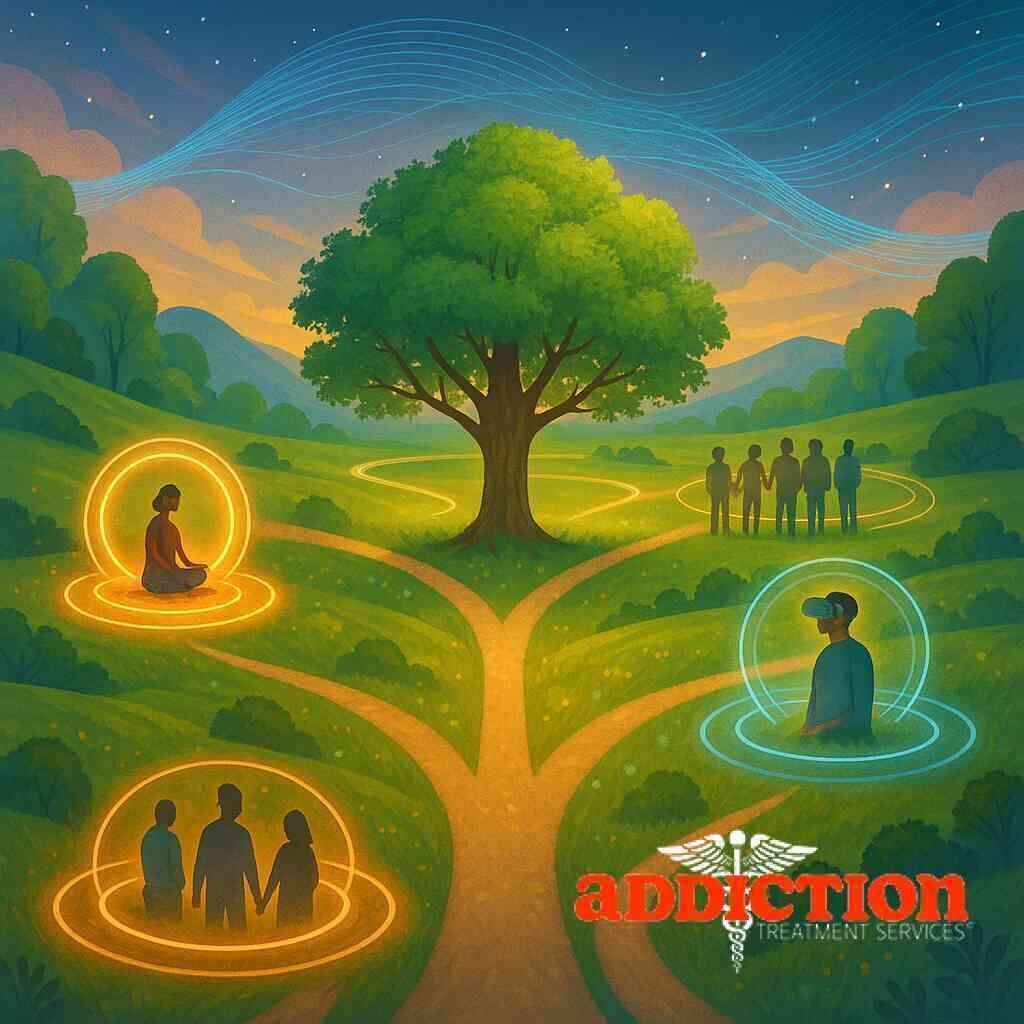
Conclusion: The Future of Addiction Services in Illinois and Beyond
A Vision for a Healthier Future
In 2025, Illinois exemplifies a visionary approach to addiction services, marking a decisive move towards healthier communities. This vision is more than aspirational; it is grounded in tangible advancements and strategic implementations that place the state at the cutting edge of addiction recovery. With a focus on integrating psychotherapy in addiction treatment, Illinois is not merely reacting to immediate challenges but proactively setting a course for sustainable success. By harnessing holistic treatment modalities and personalized recovery plans, the state’s addiction treatment services are empowering individuals to reclaim their lives, fostering a more resilient society.
The Impact of Evolving Services on Recovery Outcomes
The evolution of addiction services in Illinois is having a profound effect on recovery outcomes. By continually refining treatment strategies, the state is driving down relapse rates and improving long-term sobriety. Innovative approaches, such as enhanced behavioral health advancements in Illinois, are enabling more effective interventions, tailored to the nuanced needs of each individual. This evolution is evident in increased accessibility and efficacy, with technological integration facilitating broader reach and engagement. As a result, individuals facing substance use disorders are experiencing more comprehensive support, demonstrating the positive impacts of these dynamic services.
Illinois as a Model for National Addiction Treatment Evolution
By leading the charge in addiction treatment innovation, Illinois sets a benchmark for nationwide practices. The state’s commitment to integrating mental health services with addiction treatment and its focus on family and community involvement create a robust framework for recovery that can inspire other regions. Moreover, the emphasis on personalized care and early intervention strategies offers a replicable model for addressing substance misuse challenges across the country. As Illinois showcases its advancements in community support and treatment efficacy, it paves the way for a future where recovery is accessible, compassionate, and effective for all individuals seeking to overcome addiction. The lessons learned and successes achieved serve as a blueprint, influencing and guiding national addiction treatment evolution.
Frequently Asked Questions
Question: What innovative addiction treatment options are available in Illinois 2025, and how do they enhance recovery services?
Answer: Illinois 2025 showcases a remarkable evolution in addiction treatment through its integration of cutting-edge technologies and personalized care models. By incorporating digital platforms and AI-driven approaches, individuals have access to resources and support systems that can be tailored to their unique needs. This innovative addiction treatment in Illinois strengthens engagement and reduces barriers to care. Enhancements such as virtual reality therapy and comprehensive behavioral health interventions enable precise and adaptive treatment plans. Illinois addiction services continue to evolve, ensuring individuals receive the most effective care possible, promoting sustained recovery.
Question: How is Illinois increasing accessibility to addiction treatment services in the post-pandemic era?
Answer: Post-pandemic, Illinois has leveraged telehealth and digital resources to expand accessibility to addiction treatment services. These advancements allow individuals, particularly in rural or underserved areas, to engage in recovery processes without geographical limitations. Virtual therapy sessions, digital support forums, and telehealth consultations have become integral, facilitating continuous care and engagement despite physical distancing challenges. These efforts underscore Illinois’ commitment to enhancing accessibility, ensuring everyone can find the help they need when tackling substance use disorders.
Question: Can you explain the role of family-centered recovery within the community in Illinois addiction services?
Answer: Family-centered recovery is a cornerstone of the holistic approach embraced by Illinois addiction services. Recognizing the critical role family members play in the recovery process, treatment programs now incorporate family therapy, education, and support groups. This approach not only heals strained relationships but also encourages a supportive environment crucial for long-term sobriety. Family-centered addiction recovery in Illinois involves active participation from families, creating a robust support network that drastically improves treatment outcomes and reduces relapse rates. By nurturing these inclusive environments, Illinois leads the nation in fostering comprehensive recovery solutions.
Question: How does the holistic treatment approach in Illinois 2025 aid in effective addiction recovery?
Answer: In Illinois 2025, holistic treatment approaches are pivotal in addiction recovery, integrating physical, mental, and spiritual health practices. Techniques such as mindfulness, yoga, and acupuncture are combined with conventional therapies, providing a comprehensive path to healing. These methods strengthen resilience against relapse and ease withdrawal symptoms, offering balanced support for sustained recovery. The commitment to holistic addiction treatment is indicative of Illinois’ innovative strategies that prioritize individuals’ overall well-being. By encompassing a wide range of treatment modalities, Illinois demonstrates a commitment to comprehensive and effective recovery pathways.
Question: As outlined in How Illinois’ Addiction Services Evolve in 2025, how are community support vital to achieving recovery success?
Answer: Community supports play an indispensable role in the success of addiction recovery, as illustrated in How Illinois’ Addiction Services Evolve in 2025. Illinois embraces community resources such as AA and NA meetings, providing a network for individuals to share experiences and encouragement. These supportive environments foster accountability and a sense of belonging. By collaborating with local organizations and leveraging virtual platforms, Illinois extends community support to more individuals, reinforcing that recovery is a collective endeavor. This comprehensive support system is vital not only for maintaining sobriety but also for enabling individuals to thrive within their communities post-recovery.