


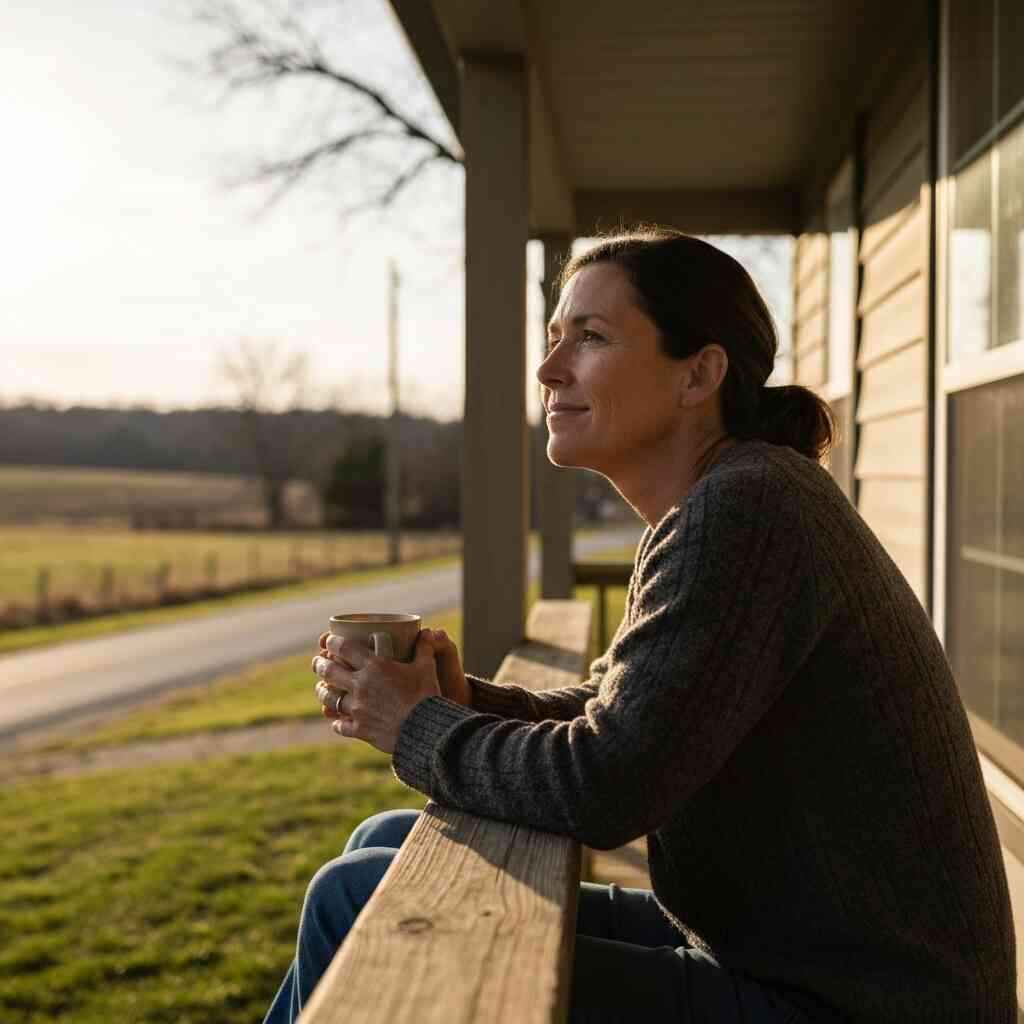
Living in a rural area often means that access to essential healthcare services is limited, which is especially true for those dealing with addiction. You may feel isolated when trying to manage an alcohol use disorder or opioid addiction because the closest clinic is several counties away. Many people in small towns face the reality of driving hours just to reach basic drug detoxification centers or participate in an intensive outpatient program. This physical distance creates a massive hurdle that can discourage even the most motivated individuals from seeking help. Understanding the landscape of available resources can change your perspective on recovery. By finding addiction treatment services near you, you can identify options that might be hidden or overlooked in your region.
Bridging the Distance Gap in Rural Recovery
Why finding addiction treatment services feels harder when you live far from a city
When you live in a rural community, the lack of infrastructure often makes it difficult to receive timely care. Addiction treatment services are frequently concentrated in metropolitan hubs, leaving rural residents with few immediate options. This disparity creates a gap where individuals wait longer for help, which can significantly increase the risk of relapse or overdose. Local hospitals often lack dedicated wings for substance use disorder treatment, forcing staff to manage complex withdrawals without specialized training. The quiet nature of a small town can sometimes mask the severity of the opioid crisis, leading to fewer public resources being allocated to your area. Recognizing these challenges is the first step toward reclaiming your health and finding the path to a sustainable life.
Understanding the unique hurdles of substance use disorder treatment in isolated communities
Isolation contributes to a sense of hopelessness that often fuels addictive behaviors. In tight-knit communities, the fear of stigma can prevent you from reaching out to local doctors who might be your neighbors or friends. You might worry about your privacy when attempting to access local resources for drug rehabilitation or alcohol rehab programs. Additionally, many rural areas suffer from a shortage of qualified mental health professionals, such as therapists trained in trauma therapy or CBT. This lack of specialized care means that even if you find a center, it might not offer the full continuum of care you need, such as medication-assisted treatment or dual diagnosis treatment. Without comprehensive support, it becomes much harder to navigate the complex road of recovery effectively.
How to find rehabs near me when the nearest center is hours away
If the nearest facility is physically distant, your search must expand to include broader digital and regional resources. Start by utilizing a reliable addiction treatment services directory for rural communities that allows you to filter by specific needs, such as gender-specific treatment or veterans addiction resources. These directories can help you locate state-funded centers that might operate smaller satellite offices in more rural parts of your state. Do not hesitate to call facilities in larger cities to ask about remote intake or aftercare coordination that could bring services closer to you. Many centers now have partnerships with local healthcare providers to ensure that your follow-up care is managed near your home. Leveraging these connections allows you to piece together a support network that bridges the geographic divide.
Leveraging Telehealth and Digital Tools for Isolated Individuals
How virtual visits make medication assisted treatment possible in remote areas
Telehealth has transformed how rural patients access care by removing the need for long, exhausting commutes to a clinic. Through video consultations, you can meet with a physician to discuss your recovery journey from the privacy of your home. This is particularly effective for medication-assisted treatment, as you can receive ongoing monitoring and prescription adjustments without needing to travel every week. Many practitioners now offer virtual sessions for individual counseling, which allows you to maintain momentum even if you cannot drive to a city. By embracing these digital tools, you gain access to high-quality care that fits into your existing daily routine. Virtual visits ensure that you have consistent guidance, which is a key component of evidence-based methods at addiction treatment services for rural populations.
Expanding access to buprenorphine and naltrexone through mobile buprenorphine induction programs
Mobile clinics are becoming a vital lifeline for individuals struggling with opioid addiction. These programs bring necessary medications directly into the community, often parking in central locations where they are needed most. By streamlining the induction process, mobile units help you start treatment immediately, reducing the dangerous gap between recognizing the need for help and receiving it. These teams are trained to provide medication-assisted treatment explained for isolated communities, ensuring that every patient understands their options. This approach reduces the barriers of transportation and time, which are usually the biggest obstacles to long-term success in rural regions.
Using digital recovery platforms to keep you connected to support from home
Digital platforms provide a way to stay connected to 12-step programs or non-12-step support groups regardless of your physical location. You can join group therapy sessions through encrypted apps, allowing you to share your struggles and triumphs with others who understand your situation. These platforms often include tools for relapse prevention, such as daily check-ins, mood tracking, and direct messaging with recovery coaches. When local sober house options are scarce, virtual communities offer a sense of belonging that helps combat the loneliness of rural life. Being part of an online recovery network reinforces your commitment to change by keeping you accountable daily. These digital resources are essential for building a support system that travels with you, no matter how remote your home base may be.
Building Local Networks for Lasting Sobriety
The power of community based recovery support systems in small towns
Building a strong, local network of recovery support often starts with identifying like-minded individuals in your own town. Churches, community centers, and local civic organizations are often willing to host support groups for those seeking sobriety. When you cultivate these spaces, you create a safety net that is uniquely attuned to the cultural and social norms of your environment. Having a group of peers who understand the specific challenges of your town makes your recovery feel more grounded and attainable. These community systems can also provide assistance with basic needs like transportation, which helps lower the barriers to attending regular appointments. Relying on local support validates that you are part of a community that cares about your health and future.
Why peer support specialists are changing the game for rural health outreach
Peer support specialists bring a unique perspective to the addiction field because they have lived through the recovery process themselves. In rural areas, where professional therapists might be rare, these specialists serve as essential bridge builders who provide encouragement and practical advice. They can help you navigate local social services, find housing, or simply offer an empathetic ear when things feel difficult. Because they often live in the same area, they have a deep understanding of the local landscape and the specific triggers that might exist for residents. Working with a peer specialist makes the process of recovery feel more human and less clinical. This personal touch is often the difference between someone giving up and someone finding the strength to keep going.
Creating sustainable sober living models that fit the rural landscape
Sober living homes in rural areas do not always need to be massive, expensive facilities to be effective. Small, community-managed homes can offer a stable, drug-free environment that is essential for those early in their recovery. By repurposing existing residential buildings, towns can create spaces that are accessible and cost-effective. These homes offer a structure that helps individuals transition back into the workforce and community life while maintaining their sobriety. When sober living is paired with local employment partnerships, it provides a full circle of support that encourages long-term success. Focusing on these small-scale, sustainable models ensures that rural recovery remains viable for years to come.

Integrating Care to Treat the Whole Person
Connecting primary care doctors with addiction specialists for co occurring mental health
Your primary care provider is often the first person you talk to about your health, making them a crucial partner in your recovery. By facilitating communication between your family doctor and an addiction specialist, you ensure that your treatment is well-coordinated and comprehensive. This model is particularly effective when addressing co-occurring mental health issues like depression, anxiety, or PTSD. When your doctors are on the same page, they can manage your medications safely and identify potential health complications before they become serious. This collaborative approach removes the burden of you having to manage your own medical records between different clinics. It also builds a higher level of trust in the healthcare system, which is vital for sustained sobriety.
Addressing depression anxiety and trauma therapy within your existing local clinic
Many rural health clinics are expanding their services to include behavioral health, which is a significant win for local residents. You can now often receive trauma therapy or CBT alongside your routine medical checkups. This integrated model is designed to help you treat your substance use disorder and underlying mental health challenges simultaneously. By addressing the root causes of addiction in a familiar setting, you are more likely to stay engaged with your treatment plan. This approach reduces the stress of traveling to multiple locations and helps you feel more comfortable discussing sensitive issues. Having access to these services at a local clinic makes psychotherapy part of your standard health routine.
How collaborative care models help manage dual diagnosis treatment effectively
Managing a dual diagnosis requires a balanced strategy that tackles both the substance use and the mental health condition at the same time. Collaborative care models allow for regular communication between counselors, psychiatrists, and primary care doctors to adjust your plan based on your progress. In a rural setting, this team-based approach is often managed through digital care management tools that keep everyone informed. This ensures that you are not just getting one part of your health treated while the other is ignored. When both conditions are managed effectively, your chances of successful recovery and long-term stability increase dramatically. Using this holistic approach creates a stronger foundation for your future and helps prevent the common cycles of relapse.
Practical Steps to Secure Quality Care Today
Breaking down barriers like transportation and insurance coverage for rehab
Transportation and insurance are two of the most significant barriers to getting help for those living in rural America. Many individuals struggle with navigating insurance for addiction treatment services in 2026 because they are not sure which facilities are covered by their plan. You can start by checking if your private insurance covers telehealth services or if you qualify for Medicaid or Medicare programs that offer expanded rural coverage. Some local community action agencies even offer transportation vouchers or volunteer programs to get you to your appointments. Do not let the cost of rehab or the logistics of travel stop you from inquiring about the care you deserve. There are often financial aid programs or sliding scale fees that can make professional treatment more affordable than you might expect.
How to use a drug rehab directory to find state funded centers or sliding scale options
Using an online directory is one of the most efficient ways to identify low-cost or state-funded addiction treatment services. You can filter your search by location, insurance acceptance, and the specific type of care you need, such as an intensive outpatient program or detox. These directories often include verified information about the facility’s accreditation and the types of therapy they offer. When you find a facility, check if they offer sliding scale payments based on your income, which is a common feature in many non-profit and state-funded programs. This directory-first approach saves you hours of calling around and allows you to compare your options calmly and logically. Empower yourself with information before you make that first phone call to a potential facility.
Taking the next step toward finding addiction help today in your specific region
If you are finally ready to reach out for help, there are several ways to get started right now. You can locate addiction treatment services in Montana or other rural states by using the comprehensive search tools available on specialized websites. Start by calling the helpline of a facility that seems to fit your needs to ask about their intake process and wait times. You can also contact your local health department, as they often maintain a list of verified providers that operate in your county. Taking action today does not mean you have to check in to a facility immediately, but it does mean you are taking control of your future. You deserve a life free from the weight of addiction, and the right support is closer than you think.
Frequently Asked Questions
How do I know if I need to look for a residential rehab versus outpatient care? Residential care is typically recommended if you have a history of severe withdrawal symptoms or if your home environment is not safe for recovery. Outpatient rehab is often a great option if you have a stable living situation and need to maintain responsibilities like work or school. Use an assessment tool or talk to a professional to determine which level of care is right for your specific needs.
What is the difference between detox and long-term treatment? Detox is the initial phase where your body clears substances, and it is usually medically monitored to ensure your safety. It is a vital short-term process, but it does not address the underlying emotional or behavioral triggers of addiction. Long-term treatment, like residential or intensive outpatient therapy, focuses on the psychological work needed for lasting sobriety.
Can I keep my job while attending an outpatient rehab program? Yes, many people maintain their employment while in an intensive outpatient program or partial hospitalization program. These programs are specifically designed to offer flexible scheduling during evenings or weekends to accommodate work hours. Talk to your employer about potential accommodations if you need to attend therapy sessions during the day.
What should I expect during my first intake call for addiction treatment? The intake call is a confidential conversation where a professional will ask about your substance use history, medical health, and any co-occurring mental health symptoms. They will discuss your insurance or payment options and walk you through what the daily life of their program looks like. It is an opportunity for you to ask any questions you have about their philosophy and success rates.
How do I find a local program that takes Medicaid or Medicare? Most state-funded drug rehab directories allow you to filter by insurance type, specifically marking facilities that accept government-backed plans. You can also visit your state’s department of health website to see a list of publicly funded treatment centers in your area. Many local clinics provide sliding scale services even if they are not fully funded by the state.