Treatments 12,651 verified centers

Drug Addiction

Drug addiction, also known as substance use disorder, is a chronic disease characterized by compulsive or uncontrollable drug seeking and use despite harmful consequences. Changes in the brain caused by prolonged drug use challenge an addicted individual's self-control and interfere with their ability to resist intense urges to take drugs. Drug addiction can lead to…

12,651 Centers offer this
Treatments Listing category
24/7 Confidential helpline
100% Confidential
Not sure where to start? Speak with a specialist confidentially, 24/7: 1-888-685-2199

About Drug Addiction

Drug addiction, also known as substance use disorder, is a chronic disease characterized by compulsive or uncontrollable drug seeking and use despite harmful consequences. Changes in the brain caused by prolonged drug use challenge an addicted individual's self-control and interfere with their ability to resist intense urges to take drugs. Drug addiction can lead to a range of deleterious effects, including changes in behavior and mental health issues, as well as physical health complications such as heart disease, stroke, and hepatitis.

Treatment for drug addiction is often multifaceted and requires a comprehensive approach that addresses the needs of the whole person. Programs offered in addiction treatment rehabs typically include detoxification, behavioral counseling, medication-assisted treatment, and long-term follow-up to prevent relapse. Treatment may occur in a variety of settings, take many different forms, and last for different lengths of time. Detoxification helps individuals safely withdraw from drugs, while therapy and counseling address the psychological aspects of addiction. Medication can be helpful in managing withdrawal symptoms and cravings, making it easier for individuals to focus on recovery.

Addiction Treatment Services provides a valuable directory full of rehabs that offer treatment for drug addiction as part of their comprehensive addiction treatment services. By partnering with a wide network of reputable addiction treatment centers across the USA, Addiction Treatment Services connects individuals with the necessary resources to fight drug addiction effectively.

Every listing on this page is a real, licensed provider. We are an independent directory: calling the helpline is confidential, and you are never obliged to enter any program you are shown. You can also reach the SAMHSA National Helpline at 1-800-662-4357, 24 hours a day.
Centers Offering Drug Addiction

12,651 verified facilities matching this treatments.

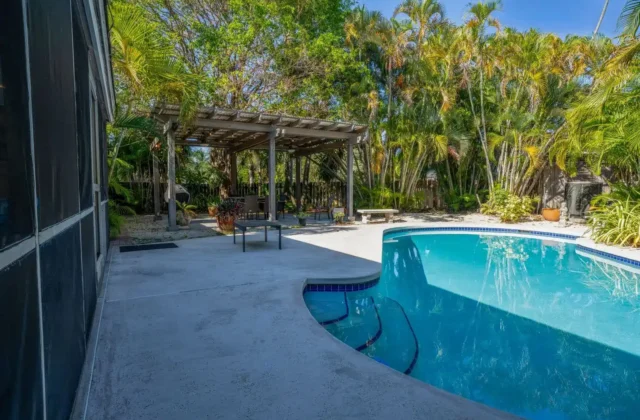
RECO Island

Boynton Beach, South Florida

Joint Commission accredited

12-Step 24-Hour Clinical Care Aftercare Support +8

Private Insurance

What to Look For in a Center Treating Drug Addiction

Treatment for Drug Addiction is not interchangeable with treatment for other substances. Withdrawal risk, whether effective medications exist, the typical length of care and the shape of relapse all differ. When you compare centers, compare them on how specifically they handle Drug Addiction rather than on their general description of rehab.

1

Detox capability that matches the risk

Some withdrawal syndromes are medically dangerous and some are merely unpleasant. Ask whether the program provides medically supervised detox on site, partners with a detox facility, or expects you to arrive already withdrawn.

Ask about Drug Addiction Do you provide medically supervised detox for Drug Addiction on site, or refer out?

2

Medication where it is indicated

Effective FDA-approved medications exist for opioid and alcohol use disorder and are widely under-prescribed. Ask which are offered, who prescribes them, and whether they continue after discharge.

Ask about Drug Addiction Which medications do you use for Drug Addiction, and who prescribes them?

3

Co-occurring mental health treatment

Depression, anxiety, PTSD and ADHD are common alongside substance use disorders and treating only one side tends to produce a short-lived result.

Ask about Drug Addiction How do you treat co-occurring depression, anxiety or trauma alongside Drug Addiction?

4

Named behavioral therapies

Cognitive behavioral therapy, motivational interviewing, contingency management and structured family involvement all have real evidence behind them. Ask for the names and the weekly frequency, not the phrase "evidence-based".

Ask about Drug Addiction How much individual therapy will I receive each week?

5

A relapse plan specific to the substance

Triggers, cravings and high-risk situations differ by substance. A generic discharge sheet is a sign that the aftercare planning is generic too.

Ask about Drug Addiction What does aftercare look like in the three months after discharge?

Questions to Ask About Drug Addiction. Ask these on the first call, before you tour anything or send a deposit. Written answers are better than verbal ones, and a program that will not answer plainly has answered.

If you would rather not make those calls yourself, our specialists will make them with you — confidential, at 1-888-685-2199. You can also check how accreditation works, what your insurance is likely to cover, or the payment options available if you are uninsured.

Drug Addiction: Frequently Asked Questions

It depends on the substance and on your use pattern. Withdrawal from alcohol and from benzodiazepines can involve seizures and is genuinely dangerous without medical supervision; opioid withdrawal is rarely life-threatening but is a common reason people leave treatment early, and it is managed far better with medication. A screening call should establish this before you admit anywhere.
There is no fixed duration. Outcomes track with sustained engagement rather than with the length of any single admission, and the research generally supports at least three months of continuous involvement across the levels of care combined. Ask any program what the plan looks like after the initial stage ends.
For some substances, yes, with strong evidence behind it: buprenorphine, methadone and extended-release naltrexone for opioid use disorder, and naltrexone, acamprosate and disulfiram for alcohol use disorder. For stimulants there is no approved medication, and contingency management has the best evidence of anything currently available. Ask what a specific program offers rather than assuming.
Usually in part. Parity rules require plans covering substance use benefits to apply no more restrictive requirements than they do to comparable medical care, but your out-of-pocket share depends on your deductible, network status and how many days are authorised. Ask the facility to verify your benefits and put the estimate in writing before you admit.

Find Drug Addiction That Fits — Today

A treatment specialist can check availability, verify your insurance and match you with a program. Confidential and available 24 hours a day.

Get Help Now 1-888-685-2199