



You may be leaving treatment and feeling the floor shift under you. Rent is due, your routine is gone, and the next step is not clear. Many people in early recovery hit that same wall, and it can feel heavy. That is why Oxford House rules and requirements matter so much.
Why Oxford House can feel like the first real breath after treatment
What people mean when they ask what an Oxford House is
An Oxford House is a self-run recovery residence for people in addiction recovery. It is usually a sober house with shared living, shared chores, and shared accountability. There is no live-in paid manager running the home like a program. Instead, the residents keep the house stable through voting, meetings, and clear expectations.
That setup can feel strange at first. It also feels honest. If you have spent time in inpatient treatment, you already know structure helps. Oxford House takes that structure and moves it into everyday life, where you shop, cook, clean, and work while protecting sobriety.
One person we heard from described the shift like this: the silence after discharge was louder than detox. That is common. The bed may be ready, but your nervous system still wants guardrails, schedules, and someone to ask what happens next. A sober house gives you a bridge when independent living feels too wide open.
Why sobriety housing has rules before it has comfort
Here is the part most people miss. The rules come first because comfort without boundaries can turn chaotic fast. In a recovery residence, sober living rules protect the whole house, not just one person. They create a sober environment where relapse prevention has a real chance to work.
That matters for people leaving treatment after substance use disorder or alcoholism recovery support. Early recovery is fragile. A quiet house, a drug-free housing standard, and clear consequences can lower the daily stress that often fuels poor choices. Those rules may feel strict, but they are usually kinder than living in confusion.
What we have seen in 2026 specifically is that people do better when expectations are plain. They want to know about curfews, meetings, chores, and drug testing before they move in. That is not a sign of doubt. It is a sign that you are trying to build long-term sobriety on something solid.
How Oxford House fits between inpatient treatment and independent living
Oxford House often fits between residential care and fully independent living. It is not the same as a halfway house, and it is not the same as a treatment center. Think of it as transitional housing with peer support, shared responsibility, and a strong recovery support network. For many people, that middle layer matters more than they expected.
If you want a deeper look at the wider model, our guide on what is a recovery residence and who can benefit in 2026 can help you compare options. The key point is simple: Oxford House gives you time to rebuild habits without dropping you into isolation. That often matters just as much as the bed itself.
A man we spoke with after treatment had a job waiting but nowhere stable to sleep. He needed structure, not a lecture. He needed a sober community that understood work, meetings, and recovery fatigue. An Oxford House gave him that middle ground, and that is why people search for it in the first place.
The house rules that keep an Oxford House stable instead of chaotic
Drug and alcohol use expectations inside a sober house
The biggest rule is also the simplest: no drugs, no alcohol. Oxford House rules are built around maintaining a drug-free housing environment. That usually includes random testing, immediate concern if someone returns intoxicated, and a clear process for removal when the agreement is broken. The house cannot stay safe if the sobriety line is fuzzy.
That may sound harsh, but it is practical. People in recovery often need a place where alcohol is not in the fridge and drugs are not a private secret. If you are trying to protect your early sobriety, a sober house can be the difference between momentum and drift. It can also support people who still attend Alcoholics Anonymous or NA meetings as part of their recovery routine.
For readers comparing options, our page on Ultimate Guide to Sober Living Rules for New Residents goes deeper into day-one expectations. If you are checking sober living near me, ask how the house handles testing, return after a relapse, and discharge. Those answers tell you more than a polished photo ever will.
House meetings, chores, curfews, and everyday accountability
A strong Oxford House runs on routine. Residents usually hold house meetings, divide chores, and keep track of rent and responsibilities. That sounds small, but it matters. Clean bathrooms, garbage schedules, and kitchen rules can keep resentment from building.
Curfews may or may not be fixed in every home, but the expectation for accountability is always there. You should know when you are expected back, how to report a work shift, and what happens if you miss a meeting. The goal is not control for its own sake. The goal is to help you practice consistency before life gets complicated again.
One housemate told us the chore chart was the first thing that made recovery feel real. He hated it for two weeks. Then he realized the chart was training him to keep promises again. That is what structured sober living often does best: it turns ordinary tasks into recovery support.
Guest policies, quiet hours, and what happens when someone breaks the agreement
Guest policies matter because a sober house is still a home. Most homes set clear limits around visitors, overnight guests, and quiet hours. That is especially important for people in fragile early recovery, because late-night noise and unvetted visitors can pull the house off balance fast. A good house makes these rules visible, not mysterious.
When someone breaks the agreement, the response should be defined ahead of time. In a well-run recovery residence, consequences are not improvised in anger. They follow the resident agreement. That may include a warning, a house vote, extra oversight, or removal, depending on the situation and the home’s model.
If you are comparing your options, this is where Sober Living Homes and Addiction Treatment Services Support becomes useful. Ask the house how it handles curfew violations, conflict, and guest boundaries. The answer should be calm, direct, and specific.
How peer support replaces a paid staff model in a recovery residence
Oxford House is different because residents do the work together. Peer support replaces a paid staff model. That means your housemates are not your therapists, but they are part of your sober support network. They will notice if you skip a meeting, isolate, or start drifting.
That peer model can be powerful for people who feel embarrassed asking for help. It lowers the wall. It also teaches honest conversation, which is hard for many people in addiction recovery. The best homes use that accountability without turning the house into a courtroom.
If you are weighing a more supervised option, read our guide on What Does a Structured Sober Living Program Include 2026. Some people need that extra layer before an Oxford House feels manageable. That does not mean you are failing. It means level of care still matters.
Who can live there and what Oxford House requirements actually look like
Residency standards for people in addiction recovery and alcoholism recovery support
Oxford House requirements usually start with one basic question: are you committed to sobriety? Most homes look for people in recovery from drugs or alcohol who can live cooperatively. The home is not for active use. It is for people who want recovery support and can respect a shared agreement.
That means the house may ask about your recovery history, current supports, and willingness to follow sober living requirements. Some homes also want references from treatment, a sponsor, or prior housing. The details can vary, so you should always verify with the specific house before moving in. A national listing can help you find sober living near me with addiction treatment support.
This is also where people ask about dual diagnosis. If you live with depression, anxiety, PTSD, or another mental health condition, the house should still be clear about expectations. Mental health support matters, but it does not replace the need for sobriety and house accountability.
Employment, school, or benefit income expectations in a transitional housing setting
Most Oxford Houses expect residents to contribute to rent and household costs. That usually means you need some income from work, school support, or approved benefits. The exact setup depends on the house, but the idea is simple: everyone contributes if they can. That helps the home stay stable and prevents one person from carrying the whole burden.
For some people, that expectation feels daunting. It should. Early recovery often includes money stress, job gaps, and awkward interviews. Still, a sober house can help you rebuild rhythm through work, classes, or job search routines. If you need help with this part, our resource on Best Men’s Sober Living Options With Job Support in 2026 can help you compare options.
The best homes do not shame people who are getting back on their feet. They do ask for effort, honesty, and a plan. That balance matters in transitional housing because stability comes from participation, not passivity.
How admission works for men’s sober living, women’s sober living, and LGBTQ sober living
Admission depends on the home type. There are men’s sober living homes, women’s sober living homes, and homes built around LGBTQ sober living needs. Some are highly structured. Others are more flexible. Matching the right environment can reduce tension and make recovery feel safer. 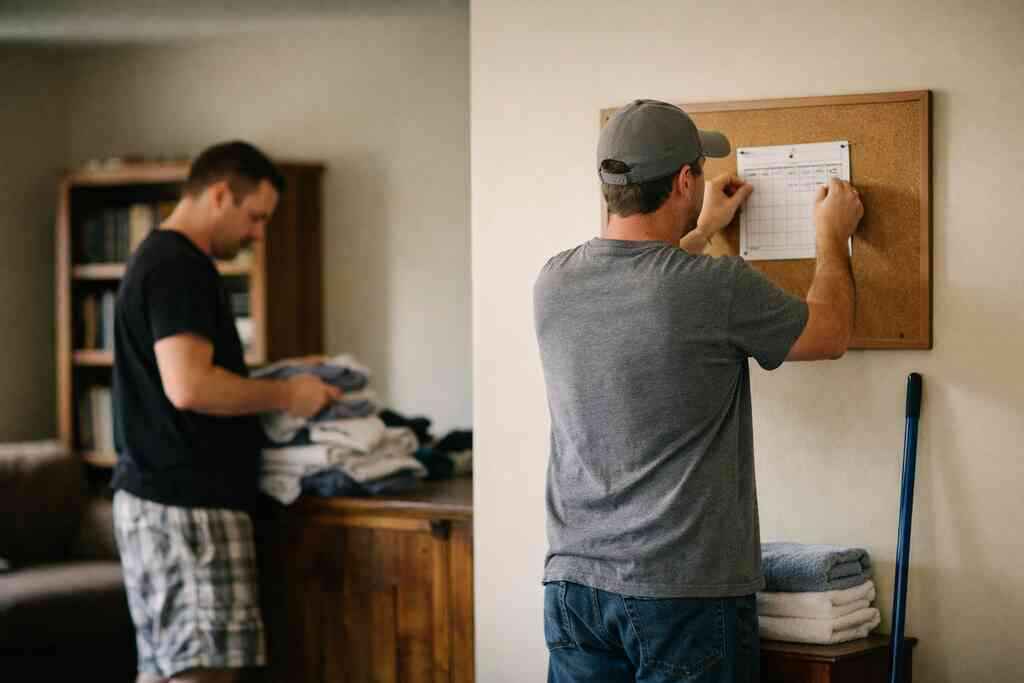
You should also ask about family-style housing, privacy, and house culture. A woman returning to recovery after trauma may need a different setting than a college student or a veteran. A good directory helps you compare these details without guesswork. Our guide to What to Expect From Women’s Sober Living Near Me in Summer 2026 is a useful starting point.
For LGBTQ residents, safety and respect matter as much as sobriety. For veterans, the same is true with service-related stress. For students, class schedules matter. The right home should fit your life without loosening the recovery standard.
What changes when the house supports dual diagnosis or medication assisted recovery
Some homes support medication-assisted recovery and some do not. That distinction matters. If you take FDA-approved medication such as buprenorphine or naltrexone, ask whether the home allows it and how medications are stored. A good house should be clear, not vague, about its policy.
Dual diagnosis support can also change the way a home handles care. A resident may need therapy appointments, psychiatric medication, or crisis planning. Oxford House is not a clinic, so it should not pretend to be one. But it can still support recovery if the rules and the outside care plan work together.
If that overlap is relevant for you, our page on Addiction Treatment Services for Co-Occurring Mental Health explains the basics in plain language. Ask one direct question before you move in: “Can I safely follow my treatment plan here?” If the answer is unclear, keep looking.
How to compare Oxford House rules with halfway house vs sober living options
People often use these terms loosely, but they are not the same. A halfway house vs sober living comparison usually comes down to supervision, funding, and program structure. Some halfway houses are court-linked or treatment-linked. Oxford House is generally resident-run. That changes the feel of the home a lot.
OptionOversightTypical feelBest forOxford HousePeer-runShared responsibilityPeople who want structure with independenceHalfway houseStaff or program-linkedMore controlledPeople needing closer oversightSober living homeVaries by modelFlexible to structuredPeople seeking recovery housing after treatmentIf you want a more detailed breakdown, see our The Difference Between Halfway House and Sober Living Today. The right choice depends on your level of care needs, your relapse risk, and how much structure you can honestly manage right now.
How to choose the right sober home and move forward without guessing
Questions to ask before you find sober living or sober living near me
Start with the basics. Ask about house rules, testing, rent, meetings, chores, and guest limits. Ask who runs the home and how decisions are made. If you are searching for sober living near me, those questions will help you separate real recovery housing from places that only use the label.
You should also ask about nearby AA meetings and NA meetings, since many homes encourage outside recovery involvement. If the home claims 12-step sober living values, ask how that shows up in daily life. A slogan is not support. A schedule is support.
For help comparing options, use How to Choose a Sober Home for Long Term Sobriety. That checklist can save you from moving twice, which is expensive and discouraging. You deserve clarity before you sign anything.
What a strong sober living program should offer beyond a bed and a key
A real sober living program offers more than a mattress and a lock. It should offer accountability, clear rules, a sober community, and practical recovery resources. That may include job search help, transportation guidance, relapse planning, and house meetings. These are not extras. They are part of recovery support.
In our experience, the biggest mistake is choosing the cheapest room without asking what comes with it. A low-cost bed can become expensive if the house is chaotic. By contrast, a structured home can protect your time, money, and stability. That is especially true in the first months after treatment.
If you want a practical checklist, read What Are Sober Living Requirements for Housemates and Staff. It explains what to look for before you commit. The more specific the house is, the better the sign.
When affordable sober living, private pay sober living, or Medicaid sober homes may fit
Money matters, and pretending otherwise helps no one. Some homes are affordable sober living options with sliding scale support. Some are private pay sober living. Some accept Medicaid, and some do not. Others may take insurance for related services, but not for housing itself. You need to ask directly.
Here is a simple way to think about it:
- Affordable sober living often means lower monthly cost, but fewer extras.
- Private pay sober living may offer more flexibility or amenities.
- Medicaid sober homes may be harder to find and often require careful verification.
- Sliding scale homes may adjust fees based on income or need.
For a detailed resource, see Ultimate Guide to Medicaid Sober Homes and Sliding Scale Costs. If you are trying to balance cost with recovery support, that guide can help you ask better questions before you tour.
How recovery support, job assistance sober living, and sober community shape long-term sobriety
A strong sober community does more than reduce loneliness. It gives you people who notice patterns early. That can matter a lot when relapse warning signs show up quietly. Job assistance sober living can also reduce pressure by helping you rebuild income and confidence at the same time.
Long-term sobriety often grows through repetition, not grand gestures. Wake up. Work. Attend meetings. Clean the kitchen. Check in honestly. Repeat. That rhythm is boring in the best way, because boring is often what stability feels like after chaos.
If you want a home with more than a bed, review what to expect from sober living homes and aftercare support. It connects housing with addiction treatment aftercare, which is where many people actually start holding life together again.
What to do next if you need a sober living near me search that leads to real recovery resources
Do not let the search become the plan. Use the search to build the plan. Start with two or three homes, then compare rules, rent, meeting expectations, and resident culture. Ask if they are state-licensed sober homes, a certified recovery residence, or part of a larger nationwide directory.
If you need help sorting through listings across all 50 states, our Addiction Treatment Services Sober Living Directory for Nationwide Search page can help you narrow the field. Addiction recovery is hard enough without guessing about housing. You do not have to figure this out alone, and you do not have to figure it all out today. Pick one house, make one call, and ask the questions that tell you whether the recovery support network is real.
Frequently Asked Questions
Question: What are the core Oxford House rules and Oxford House requirements in 2026 for someone looking for sober living homes after treatment?
Answer: Oxford House rules are built around one core expectation: residents must maintain sobriety and help keep a drug-free housing environment stable. In most cases, that means no alcohol, no non-prescribed drugs, participating in house meetings, sharing chores, paying rent or other agreed household costs, and respecting the resident agreement. Because Oxford House is a recovery residence rather than a staffed treatment program, the home relies on peer support, accountability, and clear boundaries instead of a live-in manager. That structure helps many people transition from treatment into everyday life with more support than independent living but more freedom than a halfway house. If you are comparing sober living homes, Addiction Treatment Services can help you understand the level of care, sober living requirements, and recovery support that may fit your next step.
Question: What should I know before I choose What Are Oxford House Rules and Requirements in 2026 as part of my search for sober living near me?
Answer: The most important thing to know is that Oxford House is one model within a much larger range of recovery housing options. Before you choose any sober house, you should ask about curfews, guest policies, drug testing, rent expectations, house meetings, and what happens if someone breaks the agreement. It is also smart to ask whether the home supports dual diagnosis, medication-assisted recovery, or outside treatment appointments, since those details can affect whether the home is a good fit. Addiction Treatment Services helps people find sober living by offering a nationwide directory across all 50 states, making it easier to compare sober community options, recovery residence standards, and aftercare support without guessing. That can be especially helpful if you need men’s sober living, women’s sober living, LGBTQ sober living, or another setting that feels safe and realistic for long-term sobriety.
Question: How do Oxford House rules compare with halfway house vs sober living options for addiction recovery and alcoholism recovery support?
Answer: Oxford House is typically resident-run, which makes it different from many halfway house models that may have more staff oversight or program-linked supervision. A sober living home can range from highly structured to more flexible, while Oxford House usually sits in the middle: shared responsibility, peer support, and clear sober living rules without a paid live-in manager. This can be a strong fit for people who want transitional housing that supports independence while still protecting sobriety. If you are trying to decide between a halfway house vs sober living arrangement, Addiction Treatment Services can help you review the practical differences, including accountability, sober environment expectations, and whether the home is a certified recovery residence or state-licensed sober homes option. That kind of comparison can be valuable when you need a sober support network that matches your current level of care.
Question: Does Addiction Treatment Services help people find affordable sober living, Medicaid sober homes, or private pay sober living options?
Answer: Yes. Addiction Treatment Services is designed to help people compare recovery resources in a way that is clear, practical, and easier to navigate. Many people searching for sober living near me are also trying to balance cost, which is why it helps to know whether a home is affordable sober living, low-cost sober housing, sliding scale, Medicaid sober homes, private pay sober living, or insurance accepted for related services. While housing policies vary by home and location, our nationwide directory makes it easier to identify options and ask the right questions before you commit. That is especially important if you need job assistance sober living, structured sober living, or a sober living program that supports relapse prevention and addiction treatment aftercare. We aim to help you compare homes based on real needs, not just marketing language.
Question: How can I tell whether a sober house is a good fit for my needs, including dual diagnosis, Veterans sober living, or college student sober living?
Answer: A good fit starts with honesty about your needs. If you live with dual diagnosis, ask whether the home can support outside therapy, psychiatric care, or medication-assisted recovery. If you are a veteran, a college student, or someone looking for executive sober living or pet-friendly sober homes, ask how the home handles schedules, privacy, work or class commitments, and house culture. The best sober living homes are clear about sober living requirements, recovery support, and expectations around alcoholics anonymous, NA meetings, or 12-step sober living participation if that is part of the model. Addiction Treatment Services can help you compare options in all 50 states through a Addiction Treatment Services directory and nationwide directory approach, so you can find sober housing that supports long-term sobriety, peer support, and a sober community without having to sort through everything alone.
Question: What questions should I ask before moving into an Oxford House or another structured sober living program?
Answer: Start with the basics: What are the sober living rules, how are chores divided, what are the rent expectations, how often are meetings held, and what happens if someone relapses or violates house policy? You should also ask whether the home is part of a certified recovery residence network, whether it supports men’s sober living, women’s sober living, LGBTQ sober living, Veterans sober living, or faith-based recovery and holistic sober housing preferences, and whether transportation or job assistance sober living is available. If you are comparing Oxford House with other structured sober living choices, these questions will help you see whether the home is truly focused on recovery support or just using the label. Addiction Treatment Services exists to simplify that search and connect people with reliable recovery resources, so you can choose a sober home with confidence and move forward with a stronger sober support network.