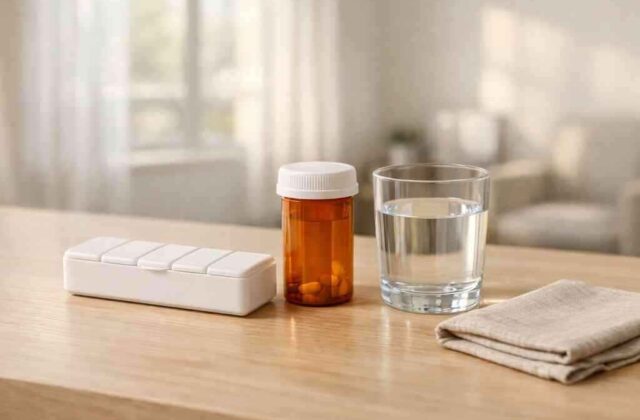


Why group therapy becomes the turning point when inpatient rehab starts feeling real
You may be asking the question people search for late at night: what is the role of group therapy in inpatient rehab programs? The honest answer is simple, and a little uncomfortable. Group therapy in inpatient rehab is where treatment often stops feeling theoretical and starts feeling lived. If you are scared, skeptical, or exhausted, that reaction makes sense.
A lot of people imagine residential treatment group therapy as forced sharing in a circle. That picture misses the point. In practice, the room becomes a place where patterns surface, honesty grows, and denial loses some of its grip. The work is rarely glamorous. It is often messy, direct, and deeply human.
We hear this from families almost every week. They worry their loved one will shut down or feel singled out. Sometimes that happens on day one. Then, slowly, the rhythm of inpatient rehab group sessions begins to make room for trust, and that shift can be the first real opening in drug rehabilitation and residential treatment.
What people usually expect from residential treatment group therapy versus what actually happens in the room
Most people expect group therapy to mean talking about feelings for an hour. That is only one small part of it. Residential treatment group therapy usually includes reflection, skill practice, feedback, and accountability. People also learn how to listen without fixing everything. That matters more than many families realize.
You don't have to figure this out alone.
Speak with a caring specialist now — we'll verify your insurance, answer your questions, and find the right program near you. Free, 100% confidential, and no pressure, 24/7.
Call 1-888-685-2199Verify your insurance →What actually happens in the room is more practical than dramatic. Someone may describe a craving, then another person names the trigger. A clinician may pause the discussion and connect it to a relapse pattern. Then the group works through what to do next. That is how addiction treatment group counseling becomes useful.
Here is the part most people miss: the room does not need everyone to be ready at once. It needs enough honesty to start changing the script. That is why inpatient rehab group sessions for addiction recovery can feel like the first place where treatment becomes specific instead of abstract.
Why inpatient rehab group sessions can feel uncomfortable before they feel useful
Group work can feel awkward, especially early on. You may not trust the room yet. You may not trust yourself yet. You may feel exposed when someone else says what you have been trying to hide.
That discomfort is not proof the program is failing. Often, it is proof that the work is real. Inpatient rehab group sessions ask you to sit with people who understand shame, relapse, grief, and fear without needing a perfect explanation. That can feel harsh at first. It can also feel relieving in a way that is hard to describe.
One client in a residential setting once said the first three groups felt like “speaking through wet cement.” A few days later, after a relapse warning signs discussion, he admitted he had never heard his own triggers spoken aloud so clearly. That moment did not solve everything. It did, however, make the next step possible.
How peer support in recovery begins shaping motivation long before a person feels ready
Peer support in recovery often starts before motivation feels solid. You might sit in a room thinking, “I am not ready for this.” Then you hear someone else describe the same exhaustion you have been carrying. That recognition lowers defenses. It creates a narrow but important path forward.
The best groups do not demand instant optimism. They create enough safety for curiosity. Over time, peers help each other name patterns, notice progress, and tolerate discomfort without using. That is one reason residential treatment group therapy and peer support in recovery can matter so much in early sobriety.
You do not have to feel inspired for this to work. You only have to keep showing up. Motivation often follows action, not the other way around. In that sense, group therapy becomes a bridge between surviving and participating.
What happens inside a group session and why the format matters more than most families realize
The structure of group therapy matters because different groups do different jobs. Some groups help people process emotions. Others teach practical coping skills. Some explain addiction science in plain language. A strong inpatient program does not rely on one format alone. It blends several approaches so the day has both depth and traction.
Families often ask why a loved one cannot simply have more individual counseling. The answer is not either-or. Individual work helps people go deeper. Group work helps them practice what they learn with others. Together, they support substance use disorder recovery in a way that feels more complete than either format alone.
The mix of therapeutic process groups, psychoeducation in addiction treatment, and skills-building groups in rehab
Therapeutic process groups and addiction treatment group counseling focus on what is happening between people in the room. Someone talks about anger. Someone else reacts. The clinician helps the group slow down and examine the pattern. That process teaches communication, boundaries, and accountability in real time. It also reveals how old coping habits show up under stress.
Psychoeducation in addiction treatment adds another layer. These groups explain withdrawal, cravings, relapse cycles, the brain’s stress response, and the logic behind treatment. Skills-building groups in rehab then turn that information into action. People practice grounding, refusal skills, emotional regulation, and problem-solving. If you are comparing psychotherapy approaches in addiction recovery, this blend is often what makes inpatient care feel organized instead of overwhelming.
A practical group may cover sleep hygiene, craving management, or communication with family. Another may focus on repairing daily structure after months of chaos. The goal is not trivia. The goal is usable recovery support.
Where cognitive behavioral therapy groups and dialectical behavior therapy groups fit into the daily rhythm
Cognitive behavioral therapy groups help people notice the connection between thoughts, feelings, and actions. That matters in drug rehab group treatment because urges rarely appear in a vacuum. They often follow thoughts like “I cannot handle this” or “I already messed up.” CBT groups help people challenge those assumptions before they turn into a use event.
Dialectical behavior therapy groups bring a different kind of structure. They teach distress tolerance, mindfulness, emotion regulation, and interpersonal effectiveness. For someone with high emotional reactivity, those tools can be stabilizing. They also fit well alongside relapse prevention group therapy because they give people something concrete to do during high-risk moments.
Here is a simple comparison:
Group typeMain focusWhat you practiceCBT groupsThought patterns and triggersReframing, coping plans, behavior changeDBT groupsEmotional regulation and distress toleranceMindfulness, boundaries, crisis skillsProcess groupsInterpersonal patternsHonesty, accountability, feedbackSkills groupsDaily recovery toolsCraving response, planning, communicationThat rhythm matters. It keeps treatment from becoming one long conversation with no follow-through.
How trauma-informed group therapy and EMDR therapy support in treatment are handled with care
Trauma and addiction often overlap, but they should never be treated casually. Trauma-informed group therapy recognizes that certain topics, tones, and exercises can feel unsafe for some people. Good groups move carefully. They avoid forced disclosure. They set clear boundaries. They give people choices whenever possible.
EMDR therapy support in treatment is usually handled individually or in carefully sequenced care, not as a casual group exercise. A thoughtful program understands that trauma work needs timing. If someone is still unstable in early recovery, the priority may be safety, grounding, and stabilization. Group therapy can support that process by reducing isolation and reinforcing coping skills.
What we have seen in 2026 is that people respond better when programs explain the reason behind the pace. No one wants to feel rushed through trauma. They want to feel supported while they learn how to stay present.
Why dual diagnosis group therapy matters when co-occurring disorders show up alongside substance use disorder
Many people in inpatient care are managing more than addiction. Depression, anxiety, PTSD, bipolar disorder, and other conditions can sit alongside substance use disorder. Dual diagnosis group therapy helps people understand how those conditions interact. That is especially important when a person has been using substances to numb panic, silence intrusive thoughts, or calm insomnia. Good co-occurring disorders treatment does not treat mental health as a side note. It weaves it into every part of the plan. People learn how symptoms can mimic cravings, and how cravings can intensify symptoms. That awareness helps reduce shame. It also supports more accurate self-monitoring. 
Group therapy support for co-occurring mental health conditions can be a major stabilizer when both conditions are active. It gives people language for what they are experiencing. Language matters. So does a room full of people who do not treat that language like weakness.
How family therapy in residential care and individual counseling in inpatient rehab complement group work
Group therapy does not replace family work or one-on-one sessions. It complements them. Family therapy in residential care helps relatives stop repeating patterns that feed conflict, secrecy, or enabling. It can also help repair trust, though that process takes time. Family systems often need as much structure as the person in treatment.
Individual counseling in inpatient rehab gives space for personal history, shame, grief, trauma, and goals that may not feel ready for a group setting. That private space can make group participation easier. Once people have processed a hard topic individually, they often enter the next group with more clarity and less panic.
One mother we spoke with described the difference this way: “The family session gave us the map, and the group gave him a way to use it.” That is not a clinical outcome claim. It is simply how integrated care often feels. The best residential treatment uses both together, not separately.
When group therapy is the bridge from detox to a plan you can actually live with
Group therapy becomes especially important when detox ends. During medical detox, the body is the emergency. After that, the mind and behavior need a plan. That transition is hard. It is also where many people either strengthen their momentum or drift. Group work helps anchor the shift from surviving withdrawal to building a life.
The best programs understand that detox is not treatment by itself. It is preparation. The next steps depend on levels of care in addiction treatment and treatment planning, the person’s stability, support system, and risk factors. That is where group therapy becomes more than support. It becomes structure.
How medical detox transition to rehab changes the focus from withdrawal management support to relapse prevention group therapy
During detox, people may need monitoring for withdrawal symptoms, hydration, sleep support, and symptom relief. Once that period eases, the focus shifts quickly. The body may feel slightly steadier, but the triggers are still there. That is why medical detox transition to rehab and withdrawal management support must be seamless when possible.
Relapse prevention group therapy steps in right there. People learn how to identify triggers, manage urges, and interrupt autopilot behavior. They also learn how to respond after a lapse without spiraling into full relapse. If you have seen drug detoxification before, you know how different this stage feels from the rest of treatment. Detox calms the storm. Group therapy teaches the navigation.
A common mistake is treating detox as the finish line. It is not. It is the handoff point where recovery planning starts to matter most.
Where ASAM criteria and treatment planning help determine whether inpatient rehab, a partial hospitalization program, or an intensive outpatient program makes sense next
ASAM criteria and treatment planning help match care to need. That assessment looks at withdrawal risk, mental health concerns, safety, relapse history, and recovery environment. It helps determine whether someone needs inpatient rehab, a partial hospitalization program, or an intensive outpatient program. Those decisions are not about labels. They are about safety and fit.
A person leaving residential care may step down to PHP or IOP if they are stable enough for more outside time. Someone with high relapse risk, unstable housing, or severe co-occurring disorders may need more structure first. That is why the idea of “best” treatment is too vague. The better question is, “What level of care matches my current reality?”
The broader levels of care in addiction treatment and treatment planning framework helps families see the path more clearly. It turns confusion into sequencing. That alone can lower panic.
How medication-assisted treatment in rehab can support group work for opioid addiction and alcohol use disorder
Medication-assisted treatment in rehab can support group work when medications are clinically appropriate. For opioid addiction, MAT may include Suboxone or methadone. In some alcohol use disorder cases, Vivitrol may be considered. These medications do not replace therapy. They can, however, reduce the chaos that keeps people from participating fully.
Group therapy often becomes more effective when cravings are less intense. People can listen better. They can think more clearly. They can tolerate discomfort longer. That matters in group therapy for heroin addiction, group therapy for fentanyl addiction, and group therapy for prescription drug addiction, where cravings and fear can be especially volatile.
MAT for opioid addiction should always be coordinated with the broader treatment plan. The goal is not simply medication. The goal is stability, safety, and enough mental space to do the deeper work. In other words, medication and group support can reinforce each other rather than compete.
Why aftercare planning, sober living, transitional housing, 12-step programs, and SMART Recovery are part of the same recovery map
Recovery does not end when inpatient rehab ends. It changes shape. Aftercare planning in rehab and sober living options help people keep momentum when the structure of residential care is removed. Sober living and transitional housing can offer accountability, routine, and reduced exposure to triggers. That support matters, especially after a long stretch of instability.
Many people also connect with 12-step programs in residential treatment or continue them afterward. Others prefer SMART Recovery in rehab or a mix of both. There is no single correct path for everyone. The useful question is which support system helps you stay honest, connected, and consistent.
Aftercare planning in rehab and sober living options often works best when it starts before discharge. That way, people are not trying to improvise under pressure. They leave with a map, not a guess.
What to look for when choosing a rehab if you are comparing insurance for addiction treatment, in-network rehab options, or addiction treatment near me
If you are sorting through insurance for addiction treatment, paying for rehab, or in-network rehab options, ask direct questions early. Coverage rules can shape where you go and what level of care is realistic. Not every program fits every policy. Not every center can verify benefits the same way. Clarity saves time and stress.
When you search for how to choose a rehab or addiction treatment near me, look beyond marketing language. Ask about levels of care, dual diagnosis support, family involvement, and aftercare planning. Ask whether the program offers medical detox, residential treatment, outpatient program options, intensive outpatient program, IOP, or PHP referrals when needed. Good programs understand the continuum, not just one piece of it.
How to choose a rehab near you starts with fit, safety, and transparency. If you are comparing programs today, gather three options, verify insurance details, and ask what group therapy looks like on a real weekly schedule. You do not have to solve everything at once, and you do not have to do it alone.
Frequently Asked Questions
Question: In What Is the Role of Group Therapy in Inpatient Rehab Programs, how do inpatient rehab group sessions support recovery alongside individual counseling in inpatient rehab?
Answer: Inpatient rehab group sessions help people practice recovery skills in real time, while individual counseling in inpatient rehab gives space to work through personal history, trauma, and goals more privately. Together, they create a more complete addiction treatment plan. Group therapy in inpatient rehab often includes therapeutic process groups, psychoeducation in addiction treatment, and skills-building groups in rehab, while individual sessions can deepen the work on shame, grief, triggers, and relapse warning signs and prevention. This combination is especially helpful for substance use disorder recovery support because it lets people learn in community and then apply those lessons one-on-one. At Addiction Treatment Services, we help people compare programs that offer both formats so they can find a fit that supports stability, trust, and long-term aftercare planning in rehab.
Question: What is the difference between cognitive behavioral therapy groups, dialectical behavior therapy groups, and trauma-informed group therapy in residential treatment group therapy?
Answer: Each type of group therapy serves a different purpose in residential treatment group therapy. Cognitive behavioral therapy groups focus on identifying thought patterns that drive cravings, avoidance, or self-sabotage, and then replacing them with more helpful responses. Dialectical behavior therapy groups emphasize emotion regulation, distress tolerance, mindfulness, and communication skills, which can be especially useful for people who feel overwhelmed by urges or intense emotions. Trauma-informed group therapy adds another layer of care by recognizing that some people may have trauma histories that affect how they experience group settings, topics, or pacing. Good programs avoid forcing disclosure and instead create safety, choice, and clear boundaries. Addiction Treatment Services helps people explore addiction treatment options that use these approaches thoughtfully, especially when dual diagnosis or co-occurring disorders treatment is part of the picture.
Question: How does medical detox transition to rehab connect to relapse prevention group therapy, medication-assisted treatment in rehab, and ASAM criteria and treatment planning?
Answer: Medical detox transition to rehab is a critical handoff point because detox addresses withdrawal management support, but recovery planning begins after the body is stabilized. That is where relapse prevention group therapy becomes essential. In those groups, people learn how to identify triggers, recognize relapse warning signs, and build practical coping strategies. For some individuals, medication-assisted treatment in rehab may also be part of care. MAT for opioid addiction can include Suboxone in recovery programs or methadone treatment support, and in some alcohol use disorder cases Vivitrol in addiction recovery may be considered when clinically appropriate. ASAM criteria and treatment planning help determine whether inpatient rehab, a partial hospitalization program, an intensive outpatient program, or another level of care is the safest next step. Addiction Treatment Services helps people understand these levels of care in addiction treatment so they can make informed choices instead of guessing under stress.
Question: What should families know about dual diagnosis group therapy, family therapy in residential care, and recovery support in inpatient care for co-occurring disorders treatment?
Answer: Families should know that dual diagnosis group therapy is designed for people living with both substance use disorder and mental health concerns such as anxiety, depression, PTSD, or bipolar disorder. This matters because symptoms of co-occurring disorders can affect cravings, sleep, mood, and decision-making, and substance use can make mental health symptoms harder to manage. Family therapy in residential care helps relatives learn healthier communication, reduce enabling patterns, and understand how to support recovery without taking over the process. Recovery support in inpatient care often works best when group therapy, family work, and individual counseling are coordinated rather than treated as separate pieces. Addiction Treatment Services provides information on programs that address co-occurring disorders treatment as part of a full addiction assessment and treatment planning process, which can be especially important for people facing opioid addiction, alcohol use disorder, cocaine addiction, benzodiazepine addiction, fentanyl addiction, heroin addiction, or prescription drug addiction.
Question: How can Addiction Treatment Services help someone compare inpatient rehab, residential treatment, outpatient program, IOP, PHP, and options like sober living and transitional housing?
Answer: Addiction Treatment Services helps people compare levels of care in addiction treatment by explaining what each setting is designed to do and how they may fit different stages of recovery. Inpatient rehab and residential treatment offer the most structure, which can be important during medical detox transition to rehab or when relapse risk is high. A partial hospitalization program, or PHP, and an intensive outpatient program, or IOP, provide strong support while allowing more time outside treatment. Aftercare planning in rehab often includes sober living and transitional housing, as well as connections to 12-step programs in residential treatment or SMART Recovery in rehab, depending on what fits the person best. We also help people think through practical concerns like insurance for addiction treatment, paying for rehab, and in-network rehab options. If someone is searching for addiction treatment near me or trying to figure out how to choose a rehab, our goal is to make the process clearer, more compassionate, and easier to navigate.