



Dawn over the Desert: Why Arizona’s Recovery Landscape Shines Brighter
Beyond cactus and canyons understanding substance use disorders in Arizona’s communities
Arizona’s breathtaking mesas often mask a quieter struggle with substance use disorders affecting every zip code. Methamphetamine, fentanyl, and high-proof spirits drift through desert highways, challenging families and first responders alike. Addiction treatment centers statewide respond with neuroscience, cultural humility, and genuine neighborly grit. They recognize that withdrawal symptoms manifest differently when dehydration, extreme heat, and rural isolation complicate care. This regional awareness shapes trauma-informed assessments, ensuring every evaluation measures environmental stress alongside clinical severity.
Local clinicians also honor Arizona’s multicultural roots, blending Southwestern mindfulness with evidence-based relapse prevention. Navajo, Hispanic, and military communities each hold distinct healing narratives that deserve tailored approaches. Culturally attuned early intervention reduces stigma by framing substance misuse as a treatable health condition, not moral failure. When residents see staff respecting tradition, they engage more openly in medication-assisted treatment or intensive outpatient program tracks. The result is Arizona’s holistic addiction recovery firmly grounded in real community voices.
Why searching for addiction treatment services near you requires a localized lens
Scrolling endless national ads can overwhelm someone seeking addiction treatment near you during a crisis. Arizonans need providers who grasp monsoon season road closures, tribal sovereign laws, and insurance networks common to the Southwest. That local fluency speeds admission, decreases travel stress, and keeps outpatient care realistic for working parents. Moreover, veteran-focused programs around Phoenix fast-track benefits unique to Luke Air Force Base retirees. A specialist three states away simply cannot replicate that agility.
A localized search also highlights micro-supports such as peer support at Alcoholics Anonymous meetings in Arizona that reinforce clinical gains. These grassroots circles know the everyday triggers of Tempe college life or remote mining towns. Addiction treatment services near me grow more effective when clinicians coordinate with such neighborhood anchors. Together they craft recovery support services that stretch far beyond residential treatment walls. This synergy explains why recovery rates improve when care teams share the same sunsets and dust storms as their clients.
The first step is mapping Arizona’s diverse treatment facilities through our directory
Many people delay help because they cannot visualize the first step toward detoxification services or outpatient treatment. Our addiction treatment services directory removes that uncertainty by mapping reputable facilities from Flagstaff’s pines to Sierra Vista’s borderlands. Users filter by insurance type, faith-based options, LGBTQ-affirming care, or Spanish bilingual counseling. Each listing outlines withdrawal management protocols, family-inclusive therapy models, and relapse prevention curricula in clear language. That transparency builds trust before the first phone call.
Interactive search tools empower loved ones to compare residential treatment amenities against intensive outpatient program flexibility. Side-by-side views display whether a treatment facility offers adventure therapy, medication-assisted treatment, or dual diagnosis psychiatry. With one click, families access comprehensive Arizona addiction treatment resources that demystify costs, admission timelines, and transportation logistics. In moments when panic can paralyze action, having organized information sparks momentum toward sustained recovery.
Cactus Roots and Cutting Edge Fusing Indigenous Wisdom with Evidence Based Modalities
Navajo Nation culturally sensitive rehab and Native American healing ceremonies
On Navajo land, addiction treatment centers weave ancient teachings with modern neuroscience. Traditional chants echo alongside CBT worksheets. Elders bless recovery circles, reinforcing community accountability. Clinicians discuss substance use disorders as an imbalance rather than a sin. This worldview lowers stigma, encouraging early intervention among hesitant youth. Sweat lodge ceremonies soothe withdrawal symptoms while monitoring hydration. Licensed staff integrate medication assisted treatment for opioid cravings when culturally accepted. The blend builds trust, therefore engagement in long term outpatient care rises.
Families often cross state lines to compare culturally aligned options. Our addiction treatment services directory highlights culturally mindful treatment on New Mexico reservations for relatives living near Four Corners. Listing transparent detoxification services empowers each family member to make informed plans. Social workers coordinate transportation, ensuring seamless transition into residential treatment or intensive outpatient programs. Because every listing shows insurance compatibility, financial barriers seldom block participation.
Scottsdale trauma informed care meets southwestern mindfulness therapy
Scottsdale clinics pair trauma informed care with desert-inspired rehab programs grounded in mindfulness exercises. Therapists recognize childhood wounds fueling substance misuse. Eye Movement Desensitization integrates with guided breathwork beneath open skies. Clients practice grounding by walking meditation among saguaros. The environment reinforces safety, so nervous systems calm quickly. As cortisol drops, cognitive behavioral strategies stick better. Addiction treatment services near you become more than talk therapy; they become sensory retraining.
Luxury does not overshadow clinical rigor. Every treatment facility submits outcome data to state behavioral health services dashboards. Physicians adjust medication assisted treatment dosages weekly, guided by lab markers. Nutritionists deliver holistic nutrition counseling, teaching anti inflammatory meal prep supporting mental health services goals. Continual measurement makes relapse prevention strategies responsive rather than static.
Tucson dual diagnosis specialists and integrated behavioral health services
Tucson’s academic hospitals champion dual diagnosis treatment for co-occurring depression and methamphetamine addiction. Psychiatrists conduct thorough assessments within 24 hours of admission. They use standardized tools to identify bipolar spectrums often masked by stimulants. Early clarity prevents prescribing errors that can derail the recovery process momentum. Collaboration with psychologists ensures medication changes align with cognitive therapies.
Integrated clinics house primary care, acupuncture, and case management under one roof. This streamlined model reduces missed appointments common in fragmented systems. Patients schedule outpatient treatment follow-ups before leaving residential wings. Real time electronic records synchronize lab work with counseling notes, sustaining continuity. Design principles from neighboring states inspire this integrated model now flourishing statewide.
Phoenix medication assisted treatment and veteran focused programs
Greater Phoenix hosts numerous medication assisted treatment hubs skilled with buprenorphine microdosing protocols. Pharmacists monitor liver enzymes to ensure safety among heat exposed laborers. Nurses deliver compassionate coaching, dismantling myths that MAT replaces one drug with another. Instead, they explain neurobiology in plain language, referencing the science of addiction and recovery for credibility. Consequently, clients view MAT as a stabilizing bridge toward deeper psychotherapy. Daily dosing stations open before sunrise, supporting parents with early construction shifts. Secure digital reminders reduce missed pickups, strengthening adherence. Graduation ceremonies celebrate ninety consecutive adherence days, reinforcing intrinsic pride.
Valley clinicians honor military culture by offering veteran focused programs near Luke Air Force Base. Staff includes combat medics who understand operational stress. Group therapy employs mission language, framing sobriety as tactical readiness. Residential treatment rooms display unit flags donated by alumni. Peer mentors assist with navigating Tricare coverage and disability paperwork. The result is higher retention among veterans who previously distrusted civilian behavioral health services.
Faith based and Spanish bilingual recovery services bridging communities
Arizona’s spiritual mosaic fuels diverse faith based recovery programs. Churches host twelve step meetings besides evening prayer services. Imams collaborate with addiction treatment centers to design halal compliant nutrition plans. Buddhist sanghas offer mindfulness retreats supporting relapse prevention. Because spirituality often underpins identity, integrating belief systems accelerates emotional healing.
Spanish bilingual counselors remove language barriers that previously blocked access to behavioral health services. Intake forms appear in Spanish and English, ensuring informed consent clarity. Family inclusive education sessions teach loved ones about signs of withdrawal and coping skills. Community health workers broadcast radio spots explaining addiction treatment services near me in approachable dialects. This outreach transforms reticence into active participation, especially within borderland neighborhoods.
 From Sunrise Detox to Starlit Sober Living: The Seamless Continuum of Care Across Arizona
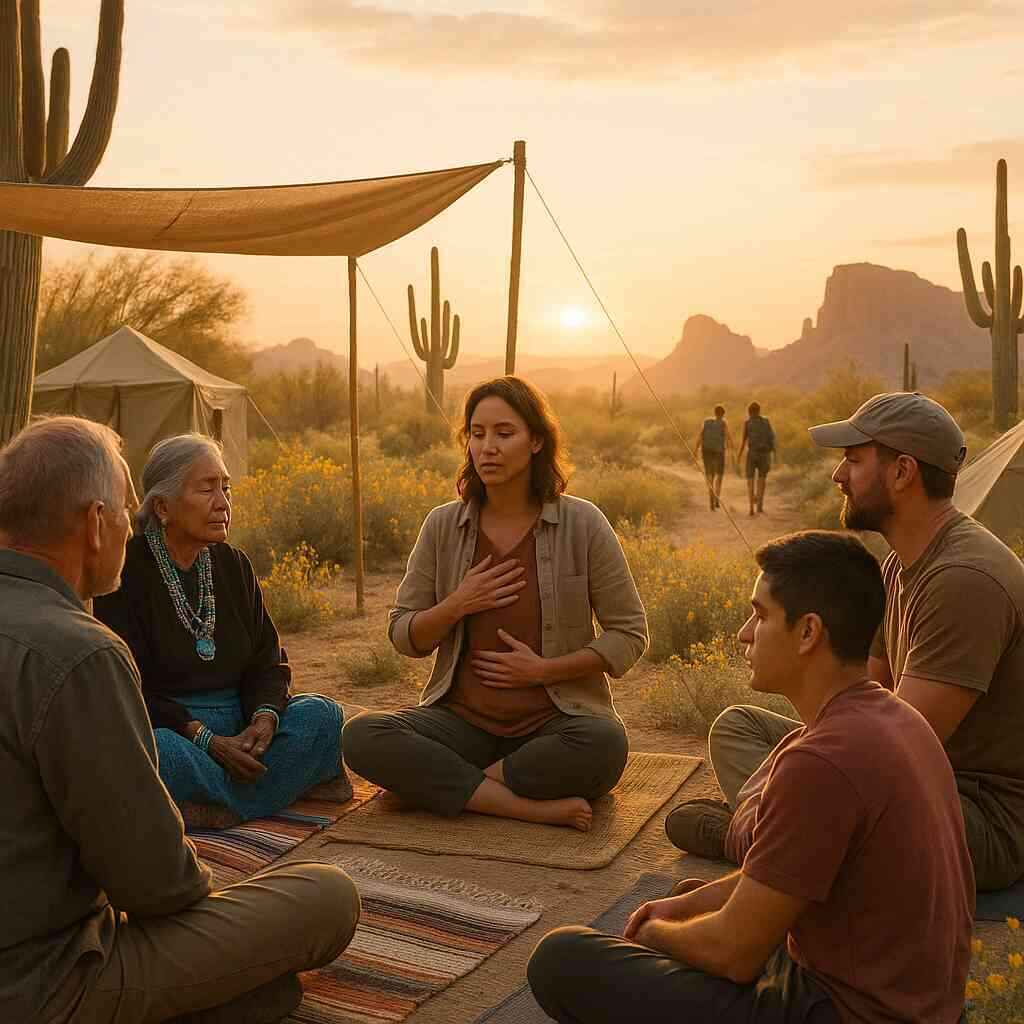 From Sunrise Detox to Starlit Sober Living: The Seamless Continuum of Care Across Arizona
Sunrise detox programs near Flagstaff and opioid withdrawal management
Flagstaff clinicians greet dawn’s cool air with meticulously supervised sunrise detox protocols for opioid use disorder. Medical teams screen for co-occurring mental health services needs before the first dose of buprenorphine. Hydration plans combat altitude-driven dehydration that can intensify withdrawal symptoms in mountain climates. Nurses explain safe drug detoxification methods to families, reassuring them that evidence guides every intervention. Because clients see measurable progress each morning, motivation to complete the first step of the recovery process grows stronger.
As cravings ebb, therapists introduce mindfulness walks among ponderosa pines, helping clients anchor to sensory cues instead of distress. Peer mentors describe their own experiences recognizing signs of opioid withdrawal, normalizing fear and fostering hope. The treatment facility also schedules virtual check-ins with loved ones so support networks stay engaged. Early family involvement predicts lower readmission rates once residential treatment ends. By blending science, nature, and community, Flagstaff detoxification services set a sturdy foundation for lifelong sobriety.
Seamless transition from detox to intensive outpatient program across Mesa and beyond
After stabilization, case managers coordinate a seamless transition into an intensive outpatient program in Mesa or the client’s home county. Electronic records travel instantly, so new therapists understand medication-assisted treatment dosages and allergy flags. This continuity prevents gaps that often trigger relapse during care handoffs. Transportation vouchers remove logistical barriers for rural residents who must commute through desert heat for evening sessions. Consistency breeds confidence; individuals learn that outpatient care will not abandon them midway.
Program directors schedule overlapping appointments with psychiatric, nutrition, and relapse prevention specialists. Clients attend group counseling three evenings weekly, balancing work and recovery responsibilities. Mesa’s outpatient treatment curriculum emphasizes cognitive behavioral strategies tailored to local cultural norms. Homework assignments include mapping addiction triggers along daily commutes past liquor stores or dispensaries. Because education feels practical, retention and graduation rates outperform many national averages.
Luxury residential treatment in Paradise Valley with holistic nutrition counseling
In Paradise Valley, luxury residential treatment centers merge spa-like serenity with rigorous behavioral health services. Private suites overlook desert vistas, yet clinical teams maintain hospital-grade monitoring. Residents follow individualized meal plans crafted by registered dietitians specializing in holistic nutrition counseling. Anti-inflammatory foods stabilize blood sugar, reducing cravings that sabotage early recovery. Cooking classes teach clients to replicate balanced meals once they leave the facility.
Beyond cuisine, daily schedules feature yoga, equine therapy, and trauma-informed group sessions. Licensed clinicians track biometric data, adjusting medication-assisted treatment protocols in real time. Weekend family workshops demystify substance use disorders and outline concrete communication skills. Loved ones practice boundary setting while still honoring cultural values. This inclusive approach transforms luxurious surroundings into purposeful tools rather than distractions.
Adventure therapy for young adults and outdoor therapy in Sedona canyons
Sedona’s red rocks provide a dramatic backdrop for adventure therapy geared toward young adults battling substance misuse. Licensed wilderness guides partner with psychologists to design hikes that parallel recovery milestones. Each ascent represents confronting denial; each descent mirrors accepting help. Participants journal beneath sandstone arches, integrating insights from earlier outpatient sessions. Physical exertion releases endorphins, offering a natural reward system that competes with drug addiction cravings.
Outdoor therapy also incorporates rock-climbing trust exercises, reinforcing peer accountability essential for relapse prevention. Counselors teach grounding techniques, like tracing canyon ridges with one’s gaze to calm racing thoughts. Evenings conclude with fireside processing circles, where achievement bonds translate into emotional vulnerability. Research shows experiential learning accelerates neuroplasticity, making cognitive shifts stickier. Consequently, many graduates cite Sedona expeditions as the turning point in their addiction recovery services journey.
Peer led recovery support groups and evidence based relapse prevention curriculum
Across Arizona, peer-led recovery support services keep momentum alive after formal treatment programs conclude. Certified recovery coaches facilitate groups using an evidence-based relapse prevention curriculum validated by state behavioral health agencies. Meetings integrate daily inventories, trigger rehearsal, and SMART goal tracking. Because facilitators have personal sobriety experience, their guidance resonates differently from clinical lectures. Members practice refusal skills through role-play, receiving real-time feedback from people who have succeeded.
Partnerships with community recovery through Narcotics Anonymous near Phoenix offer additional fellowship. Hybrid meeting formats allow rural participants to join via video, ensuring statewide inclusivity. Peer networks also coordinate sober social events-from softball leagues to art nights-that replace old drinking rituals. The result is a living safety net ready to catch stumbles before they snowball into relapse. Over time, alumni often become mentors themselves, multiplying communal resilience.
Telehealth addiction counseling and 24/7 admissions helpline statewide
Technology closes geographic gaps by delivering telehealth addiction counseling into ranch houses and city apartments alike. HIPAA-compliant platforms host one-on-one therapy, medication refills, and family education modules. Evening and weekend slots honor shift workers and single parents who cannot attend daytime sessions. If emergencies arise, a 24/7 admissions helpline triages callers to the nearest detox facility within minutes. Rapid response curtails overdose risk and sustains public trust.
Clinicians collaborate with mental health centers offering telehealth in Arizona to address anxiety, PTSD, or ADHD alongside substance abuse. Integrated scheduling avoids redundant paperwork and reduces appointment fatigue. Because telehealth tracked outcomes rival in-person metrics, payers now reimburse at comparable rates. This financial parity widens access for residents who previously skipped care due to cost. Ultimately, digital tools extend Arizona’s holistic addiction recovery beyond brick-and-mortar walls.
Insurance friendly and LGBTQ affirming treatment facilities for inclusive care
Inclusive treatment facilities across the state accept a wide spectrum of insurance plans, from private PPOs to tribal Medicaid. Financial counselors clarify deductibles before admission, eliminating surprises that jeopardize sobriety later. Staff also undergo continual training on LGBTQ cultural competency, ensuring transgender clients feel safe discussing identity milestones. Gender-neutral rooms and trauma-informed intake forms communicate respect at every touchpoint. When individuals feel seen, the therapeutic alliance strengthens.
Clinics collaborate with advocacy groups to refine policies, such as updating preferred-name systems and hormone therapy coordination. Support groups address intersectional stressors like discrimination, which often fuel substance abuse. Outreach teams travel to pride events, handing out literature about addiction treatment services near me and scholarships for uninsured candidates. Cross-state partnerships, including finding local rehab options near Arizona border states, ensure continuity if relocation becomes necessary for safety. By weaving equity into every layer of care, Arizona providers prove that recovery belongs to everyone under the Sonoran sky.
Walking the Red Rock Path: Sustainable Sobriety Amid the Sonoran Skies
Family inclusive treatment planning and sustainable sober living homes in the desert
Arizona clinicians know recovery thrives when relatives become empowered teammates rather than anxious spectators. During family-inclusive treatment planning, counselors map generational communication patterns and teach boundary-setting that honors cultural values. Loved ones practice motivational interviewing skills, so conversations at home mirror therapeutic language heard during outpatient care. They also attend psychoeducation workshops covering insurance navigation, relapse warning signs, and healthy conflict resolution. By demystifying the recovery process, families transform from passive observers into active guardians of sustainable sober living.
After discharge, many clients choose post-treatment sober living homes nestled along desert washes. These residences balance independence with accountability, offering evening curfews, peer-run check-ins, and routine drug testing. House managers coordinate weekly carpooling to outpatient treatment or AA meetings in nearby towns, easing transportation burdens that often derail progress. Communal gardens supply fresh produce, reinforcing holistic nutrition counseling learned in residential treatment. Shared chores and sunrise yoga sessions foster camaraderie, proving sobriety can feel communal rather than punitive.
Grand Canyon wilderness retreats inspire lifelong recovery journeys
Few landscapes rival the Grand Canyon for teaching perspective; its layered walls mirror the many phases of the recovery journey. Licensed wilderness therapists guide small cohorts through rafting expeditions where clients confront real-time stress without substances. Each rapid breath becomes a metaphor for cravings, while calm stretches symbolize mindful breathing. Evening fireside circles encourage storytelling, linking personal narratives to the canyon’s ancient strata and reinforcing trauma-informed care principles.
Clinical oversight remains rigorous despite the remote setting. Satellite medical kits hold naloxone and hydration supplies, safeguarding participants still fragile from opioid withdrawal symptoms. Therapists carry tablets pre-loaded with cognitive behavioral worksheets, allowing evidence-based skill practice after hikes. Because digital distractions are minimal, retention of relapse prevention tools improves markedly. Many alumni later volunteer as peer mentors, citing the canyon’s vastness as the moment they first envisioned life beyond substance misuse.
Relapse prevention tools and community reintegration for enduring hope
Long-term success hinges on proactive relapse prevention supported by community reintegration. Arizona addiction treatment centers equip graduates with personalized crisis plans outlining triggers, coping skills, and rapid-response contacts. Digital calendars schedule weekly therapy, medication-assisted treatment refills, and volunteer shifts that rebuild purpose. A private online forum pairs newcomers with alumni who model vulnerability and celebrate milestones, reinforcing accountability even after formal programming ends.
Reintegration also taps local networks such as art co-ops, faith communities, and vocational retraining programs. Clients rehearse elevator pitches that disclose recovery status without oversharing, strengthening professional confidence. Partnerships with employers who value second chances open pathways to stable income, reducing stressors linked to relapse. To illustrate broader success, counselors reference internal research on why recovery services flourish in Arizona today. Seeing statewide progress motivates individuals to protect their own sobriety, turning personal victories into community momentum.
Frequently Asked Questions
 Frequently Asked Questions
Question: How does Addiction Treatment Services make Arizona’s holistic addiction recovery options easily accessible for my family member who is ready for the first step?
Answer: Our addiction treatment services directory lets you filter by location, insurance type, language, culture, and program intensity so you can pinpoint the exact help your loved one needs-whether that is Navajo Nation culturally sensitive rehab, family-inclusive treatment planning in Phoenix, or outdoor therapy in Sedona canyons. Every listing outlines withdrawal symptoms that may appear in Arizona’s heat, shows which treatment facilities provide medication-assisted treatment, and details family involvement requirements. You can compare residential treatment, intensive outpatient programs, and telehealth addiction counseling side by side, then call our 24/7 admissions helpline for real-time guidance on costs, travel, and insurance verification. This level of transparency and local insight turns a stressful search into a confident first step toward sustainable sobriety.
Question: What makes the sunrise detox programs near Flagstaff and the seamless transition to intensive outpatient programs across Mesa so effective through Addiction Treatment Services?
Answer: Flagstaff sunrise detox programs combine medical opioid withdrawal management with altitude-aware hydration protocols, while Mesa intensive outpatient addiction treatment services offer evening sessions that fit Arizona work schedules. Because our directory shares electronic records across partner treatment centers, your clinical data, medication-assisted treatment dosages, and mental health services notes follow you automatically. Transportation vouchers, peer support, and evidence-based relapse prevention curriculum are pre-arranged before you leave detox, eliminating the treatment gaps that commonly trigger relapse. The result is a seamless continuum of care that keeps motivation high from dawn to detox to outpatient graduation.
Question: In the blog post What Sets Arizona Addiction Treatment Services Apart? you highlight trauma-informed care in Scottsdale-how does Addiction Treatment Services connect me to these specialized desert-inspired rehab programs?
Answer: Within our addiction treatment services near you filter, simply select trauma-informed care and Scottsdale as your city. You’ll see clinics that integrate EMDR, southwestern mindfulness therapy, and holistic nutrition counseling. Each listing shows outcome data reported to Arizona behavioral health services dashboards, confirms insurance friendliness, and notes whether luxury amenities or outdoor therapy options are available. One click links you to admissions staff who can schedule assessments, verify coverage, and arrange same-day transportation if needed. By curating only vetted trauma-informed providers, we ensure the safety and clinical rigor promised in the blog come to life for you.
Question: Do the addiction treatment centers in Phoenix featured on your site offer medication-assisted treatment options that are veteran-focused and insurance-friendly?
Answer: Yes. Our Phoenix medication-assisted treatment options include buprenorphine micro-dosing protocols, early-morning dosing stations for shift workers, and veteran-focused group therapy facilitated by former combat medics. Listings clearly label Tricare acceptance, private PPO compatibility, and sliding-scale payment plans. Peer mentors help with disability paperwork, while clinicians use mission-oriented language that resonates with service members. Because every program meets state and federal compliance standards, you can trust both the clinical effectiveness and financial transparency of these insurance-friendly treatment facilities.
Question: How can I use the Addiction Treatment Services directory to find telehealth counseling, peer-led recovery support groups, or LGBTQ-affirming treatment facilities across Arizona?
Answer: Start by entering your ZIP code or selecting addiction treatment near me. Then apply filters for telehealth addiction counseling, peer-led recovery support services, or LGBTQ-affirming care. Results will display treatment programs-from Tucson dual diagnosis specialists to Tempe sober living homes-that match your criteria. Each profile lists virtual session hours, links to AA Meetings or NA Meetings, and details on gender-neutral housing or pronoun-respect policies. If you need additional support, our 24/7 helpline can walk you through enrollment, schedule video intakes, and even connect you to post-treatment sober living homes in the desert.