


Unpeeling the Peach: Why Georgia’s Recovery Landscape Matters
From substance misuse crisis to statewide momentum
Georgia once mirrored national overdose statistics, yet several counties faced rates above the national average. Rural hospital closures amplified the crisis by stripping residents of immediate behavioral health services. Families driven by grief organized town-hall meetings, generating grassroots data impossible for legislators to ignore. Their testimonies reframed substance misuse as a community safety issue rather than personal failure. That mindset shift laid the groundwork for coordinated, evidence-based interventions across the Peach State.
Momentum accelerated when Medicaid expansion pilots funded screening tools in emergency departments statewide. Clinicians now flag substance use disorders during any overdose, ensuring immediate referral to outpatient care. Within months, warm handoffs began replacing informal discharge instructions, reducing repeat overdoses in several regions. State agencies tracked these metrics publicly, sustaining political will and encouraging private treatment facilities to collaborate. The resulting synergy illustrates how urgency, transparency, and partnership can convert a crisis into measurable progress.
How Addiction Treatment Services near you simplify the first step
Even with new initiatives, families often feel paralyzed when choosing a treatment pathway. Search engines deliver thousands of options, yet many listings hide outdated or misleading information. Addiction Treatment Services near you resolves that confusion by vetting every provider before inclusion. Users filter by insurance, medication-assisted treatment availability, or dual diagnosis capacity within seconds. This high-touch directory functions like a personal guide, shortening the stressful early hours of help-seeking.
For Georgians, the addiction treatment centers in Georgia directory maps providers from Albany to the Appalachian foothills. Interactive filters highlight outpatient treatment slots opening within days, a powerful advantage against escalating withdrawal symptoms. Because the platform confirms licensing and accreditation, families avoid programs offering unproven cures or hidden costs. Those safeguards transform an online search into the first trust-building step of the recovery process. With one click, users connect to an admissions coordinator who schedules assessments and arranges transportation if required.
Why Georgia became a laboratory for innovative harm-reduction policies
Georgia embraced pragmatic compassion, making it a living laboratory for innovative harm-reduction policies. Legislators passed a statewide naloxone standing order, allowing pharmacies to dispense life-saving spray without a prescription. Public health workers paired distribution with community training, ensuring residents recognized overdose signs and responded quickly. Soon after, fentanyl testing strip distribution began, giving people who use drugs an evidence-based safety tool. These combined measures lowered fatal overdose rates while guiding more residents toward voluntary treatment.
Rural Georgia telehealth MAT hubs further distinguish the Peach State approach. Patients connect to waivered physicians by video, receive buprenorphine, and attend counseling at local libraries or churches. Such flexibility counters transportation barriers that once blocked entire counties from medication access. Accountability courts integrate these services, offering treatment instead of incarceration when substance use fuels criminal charges. Taken together, Georgia harm reduction policies balance immediate survival with long-term recovery opportunities.
 The Georgia Tapestry of Recovery Strategies
 The Georgia Tapestry of Recovery Strategies
Warm handoff protocols linking hospital discharge to outpatient treatment facilities
Georgia hospitals now execute warm handoff protocols the moment an overdose patient stabilizes. Emergency nurses notify certified peer specialists, who arrive before discharge and schedule the first outpatient treatment appointment. This seamless baton-passing shrinks the gap between crisis and care, a gap where substance use disorders often regain momentum. Families appreciate the transparency because every phone number, insurance code, and transportation detail gets confirmed on the spot. Many clinicians lean on the Addiction Treatment Services directory when verifying which addiction treatment centers can accept a patient within twenty-four hours.
Community navigators then follow the patient for several weeks, texting reminders and troubleshooting barriers. They document missed visits in a statewide dashboard, allowing supervisors to intervene quickly. Because early dropout drives relapse, these data loops matter as much as medication. Patients who disengage receive welfare calls, additional motivational interviewing, or rideshare vouchers to reboot attendance. Residents can also find addiction services near their Georgia hometown if they relocate between appointments, ensuring continuity without bureaucratic delays.
Rural telehealth medication-assisted treatment hubs bridging distance and withdrawal symptoms
Wide stretches of rural Georgia once forced a four-hour round trip for buprenorphine refills. Telehealth medication-assisted treatment hubs flipped that script by deploying secure video units to libraries, county health departments, and even church basements. A waivered physician appears on screen, reviews withdrawal symptoms, and e-prescribes medication to the nearest pharmacy. Because outpatient care now starts minutes from home, patients avoid the agony that triggers drug addiction relapse. Many describe the service as an addiction treatment near me solution rather than a distant promise.
These hubs also connect the patient’s family member to virtual support groups so no one navigates recovery alone. Counselors explain how to handle cravings, recognize signs of withdrawal, and create safe storage plans for medication. Should complications arise, on-call nurses pivot clients into intensive outpatient program tracks before setbacks escalate. The model shows that geographic isolation need not doom recovery, especially when technology and cultural competence intersect.
Accountability and family drug courts are accelerating reunification and relapse prevention
Georgia’s accountability courts replace punitive sentences with customized treatment programs, weekly progress hearings, and drug testing. Judges partner with behavioral health services staff, ensuring each participant gets a clinical assessment within forty-eight hours. Families gain from dedicated reunification tracks: parents earn incremental visitation rights as sobriety milestones accumulate. This structure turns relapse prevention into a shared civic project rather than a lonely battle.
Family drug courts go further by integrating mental health services when co-occurring trauma surfaces. Parents attend cognitive behavioral therapy alongside parenting classes, coordinating schedules with daycare vouchers. Graduates report higher employment rates, proving that treatment facilities anchored in judicial compassion can rebuild economic stability. Public dashboards reveal cost savings compared to incarceration, reinforcing bipartisan support for expansion.
Statewide naloxone standing order and fentanyl testing strip distribution are saving lives in real time
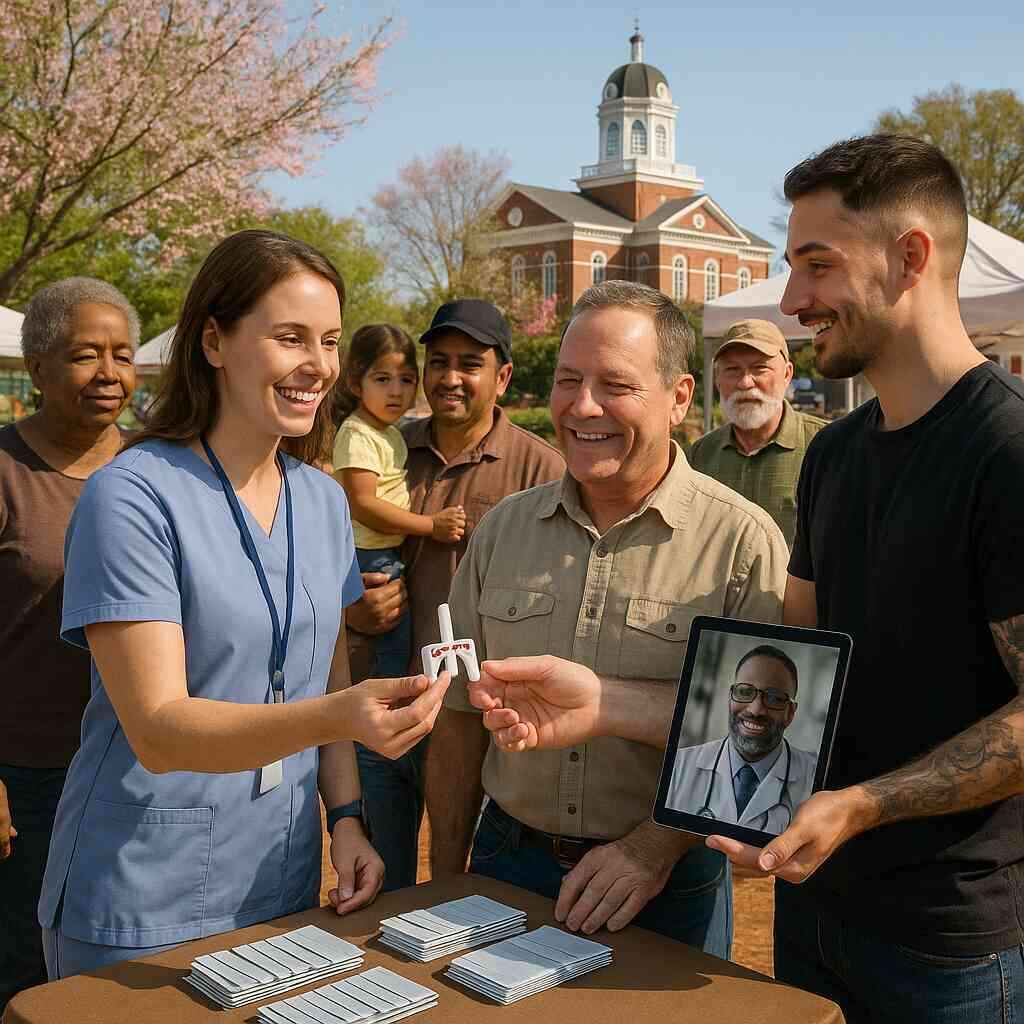
The statewide naloxone standing order empowers any Georgia pharmacy to supply the reversal spray without a prescription, removing stigma-laden gatekeeping. Community health workers distribute free kits at festivals, farmers’ markets, and AA Meetings, teaching bystanders how to recognize overdose patterns in seconds. Parallel outreach hands out fentanyl testing strips, granting people who use drugs a scientific window into hidden potency. These harm-reduction tools function as early intervention mechanisms because surviving an overdose often becomes the first step toward formal treatment.
Data dashboards indicate fatal overdoses drop sharply in counties where both resources saturate communities. More importantly, overdose survivors are statistically more willing to accept addiction recovery services after a naloxone save. That willingness stems from renewed trust: the system protected their life first, judged their behavior second. Such pragmatic compassion exemplifies Georgia’s harm reduction policies at their finest.
Atlanta recovery community innovation from MARTA street outreach to tech-driven peer support apps
The Atlanta recovery community tackles substance misuse on subway platforms before it escalates indoors. Peer specialists board MARTA trains, offering water, naloxone, and conversation to unhoused riders exhibiting substance abuse signs. QR codes on wristbands connect individuals to mobile apps that match them with intensive outpatient program slots within hours. Those apps also sync with NA Meetings schedules and geofenced craving alerts, blending human warmth with algorithmic precision.
Behind the scenes, Georgia tech startups in recovery apps integrate wearable data to predict relapse risk. When heart rate spikes or sleep plummets, push notifications suggest breathing exercises or direct chats with a counselor. This fusion of street outreach and digital monitoring gives Atlanta an ecosystem where support follows residents across neighborhoods, devices, and emotional states.
Faith-based recovery networks and Savannah sober living alliances are nurturing culturally responsive care
Many Georgians find solace in church pews before stepping into clinical settings. Faith-based recovery Georgia churches leverage that trust by hosting weekly addiction education sermons and small-group scripture studies focused on resilience. Pastors collaborate with licensed therapists to weave spiritual counseling into evidence-based residential treatment plans. Participants transition from detoxification services to Top Sober House residences, retaining pastoral mentoring throughout.
Meanwhile, the Savannah sober living network coordinates beds, job leads, and transportation for graduates returning from RECO Intensive or RECO Institute programs. House managers emphasize culturally responsive treatment for Georgia minorities, ensuring dietary preferences, dialect, and musical heritage appear in house rituals. This attention to identity strengthens belonging, a cornerstone of lasting relapse prevention.
Integrated mental health and addiction clinics powered by Georgia Department of Behavioral Health partnerships
Integrated mental health and addiction clinics in Georgia opened through strategic alliances with the Georgia Department of Behavioral Health. Under one roof, psychiatrists adjust antidepressants while addiction specialists oversee medication-assisted treatment. Case managers file Medicaid paperwork, eliminating bureaucratic drag that often dissuades patients from dual diagnosis care. Such a wraparound design acknowledges that substance misuse rarely exists without mental health echoes.
Evidence shows co-located services reduce emergency room visits and improve employment outcomes. Clinicians employ motivational interviewing alongside dialectical behavior therapy, advancing dual diagnosis techniques in Georgia explained during vibrant staff huddles. Because each treatment facility publishes outcome data quarterly, communities witness transparent accountability rather than marketing slogans.
College campus recovery programs and adolescent prevention councils are seeding early intervention
Georgia universities now fund sober dorms, on-campus NA Meetings, and peer mentoring scholarships. Students receive credit for attending relapse prevention seminars that cover vaping trends, synthetic cannabinoids, and common withdrawal signs and management strategies. Faculty advisers help navigate academic accommodations for those balancing coursework with outpatient treatment. These college campus recovery programs in Georgia anchor sobriety during a developmental window notorious for experimentation.
Beyond campus lines, adolescent substance prevention councils partner with school boards to integrate trauma-informed curricula. Youth review Instagram ads warning about counterfeit pills, then practice refusal skills in role-play sessions. Early intervention at this age shrinks the funnel of future intensive outpatient programs, proving prevention costs less than post-crisis reconstruction.
Mobile detoxification units and holistic retreats in the North Georgia mountains are expanding detoxification services
Mobile detoxification units roam county fairs and manufacturing hubs, offering onsite vitals monitoring and step-by-step drug detoxification overview consultations. Nurses stabilize clients, then transfer them to inpatient beds or to holistic retreats in the North Georgia mountains. These retreats blend yoga, equine therapy, and forest bathing with evidence-based cognitive therapy. Clients describe the scenery as an ally that makes detoxification feel like a rebirth rather than a punishment.
Cross-state collaborations flourish as clinicians exchange best practices with holistic treatment programs in the North Carolina mountains. Telehealth follow-ups ensure continuity once clients return home, reducing the risk of post-detox overdose. By coupling mobility with nature-based healing, Georgia expands options for residents previously hesitant about sterile clinical wards.
From Red Clay to Roadmap Lessons for Addiction Treatment Services Everywhere
Channeling opioid lawsuit funds into evidence-based methamphetamine and minority-focused treatment programs
Georgia’s opioid settlements unlocked a revenue stream that states rarely obtain twice. Lawmakers earmarked distributions for evidence-based methamphetamine and minority-focused treatment programs rather than general budgets. The strategy sends a clear message: every recovery dollar should follow demonstrated outcomes, not political convenience. Addiction treatment centers that deploy cognitive behavioral therapy alongside contingency management now receive bonus points during grant scoring. This performance-driven model realigns public funds with scientific consensus while honoring communities disproportionately harmed by substance misuse.
Neighboring states watch closely because cross-border drug trafficking ignores county lines. Health officials across Alabama consult Georgia’s blueprint to harmonize substance use care at shared borders. Aligning protocols simplifies referral chains for patients who live in one state and work in another. Shared dashboards compare overdose clusters, showing where new medication-assisted treatment slots curb emergency admissions. This regional cooperation turns isolated victories into a Southeastern shield against escalating drug addiction.
Georgia-specific relapse prevention curriculum and workforce reintegration after rehab
Clinicians across the Peach State co-designed relapse prevention lessons that feel as local as high-school football rivalries. Modules translate neuroscience into plain talk about cravings, withdrawal symptoms, and healthy dopamine resets. Instead of generic pamphlets, counties weave folklore songs and regional foods into group discussions. Participants practice interviewing skills, then connect to employers screened for fair-chance hiring policies. Graduates who monitor progress with the measure relapse risk with the ATS tools dashboard report fewer setbacks and quicker promotions.
Workforce reintegration begins long before discharge from residential treatment. Job coaches join intensive outpatient program sessions, matching skills with apprenticeships in logistics, coding, or green agriculture. Because steady income stabilizes housing, relapse prevention becomes more than urging NA Meetings attendance. Local chambers of commerce now view behavioral health services as economic infrastructure, not a charitable sideline. Data show that every dollar invested in career counselling returns multiple dollars through reduced absenteeism and lower reincarceration rates.
How the Addiction Treatment Services directory amplifies peer support specialist certification pathways
Georgia relies on certified peer specialists who translate clinical jargon into lived-experience empathy. The addiction treatment services directory functions as their digital megaphone, listing credentials, languages, and available transportation options. Programs update openings quickly, letting hospital planners schedule support within the crucial first step of recovery. When new nonprofits emerge, administrators simply list your Georgia recovery program on ATS and gain statewide visibility overnight. This central hub shortens search time for families and reduces duplication of outreach funding across treatment facilities.
The directory also hosts study modules that demystify certification requirements, exam dates, and continued education credits. Aspiring peers watch webinars on trauma-informed care, then shadow veterans through outpatient treatment shifts. Supervisors can track hours electronically, preventing paperwork bottlenecks that once delayed stipend payments. Because career ladders remain transparent, Georgia retains peer mentors who might have otherwise sought higher wages elsewhere. Retention, in turn, stabilizes recovery support services so clients see familiar faces during every vulnerable milestone.
Inviting family members and community leaders to leverage Good Samaritan protections
Georgia’s Good Samaritan laws promise immunity to callers who report overdoses, yet many residents still hesitate. Addiction treatment services near me presentations now target PTA meetings, barber shops, and county fairs to clarify protections. Trainers dramatize overdose scenarios, then role-play 911 calls until each family member feels rehearsed and confident. Attendees take wallet cards listing emergency scripts plus QR codes for locating mental health centers in Georgia. Removing fear converts bystanders into lifesavers and funnels survivors toward addiction recovery services during the critical decision window.
Faith leaders, police chiefs, and school nurses co-sign public letters endorsing Good Samaritan reporting. Their collective voice deflates lingering stigma, especially in rural pockets where substance abuse once remained hidden. Municipal grants now reward towns that hold joint naloxone drills and share outcome metrics on community bulletin boards. Because transparency breeds trust, overdose witnesses are more willing to stay onsite until paramedics arrive. That extra minute of compression or airway support often determines whether outpatient care can begin tomorrow.
Carrying the torch so addiction treatment services near me evolve from Georgia’s blueprint
Georgia’s mosaic of warm handoffs, telehealth, and harm reduction offers a living syllabus for other states. Stakeholders anywhere can explore parallels through the nationwide rehab locator by Addiction Treatment Services. Filter by medication-assisted treatment or residential treatment to see which elements already mirror Peach State ingenuity. If gaps appear, policy teams can draft pilot programs modeled after Georgia accountability courts or rural telehealth hubs. Continuous feedback loops ensure addiction treatment services near you adapt rather than merely duplicate solutions.
Looking forward, multistate collaboratives will aggregate data to forecast drug supply shifts and pre-position overdose response kits. Georgia researchers already share dashboards that predict fentanyl spikes days before hospital alerts. Other jurisdictions integrating those algorithms can deploy mobile detoxification services faster and avert intensive care admissions. The lesson remains simple: combine data transparency with community trust, and relapse prevention strengthens organically. Addiction treatment services near me therefore become living systems that grow smarter every time a neighbor chooses recovery.
Frequently Asked Questions
 Frequently Asked Questions
Question: How can Addiction Treatment Services help my family take advantage of the new warm handoff protocols Georgia hospitals use after an overdose?
Answer: When a loved one stabilizes in an emergency room, time is critical. By opening the Addiction Treatment Services directory on your phone, you can see which addiction treatment centers in Georgia have an outpatient slot available within 24 hours. Our listings show insurance acceptance, medication-assisted treatment (MAT) capacity, and transportation options, so you can give the peer specialist at the bedside concrete choices on the spot. That speeds up the warm handoff process, prevents gaps in outpatient care, and lowers the risk of withdrawal symptoms that trigger relapse. Because we verify licensing and accreditation, you know every treatment facility in our database meets state and federal standards before your family member walks through the door.
Question: Georgia harm reduction policies include a statewide naloxone standing order and fentanyl testing strip distribution-how do Addiction Treatment Services near me connect residents with these life-saving tools?
Answer: The Addiction Treatment Services near you search filter now lists pharmacies, community clinics, and mobile detoxification units Georgia designates as naloxone or testing-strip pickup points. Simply choose Harm-Reduction Resources under Services Offered, enter your ZIP code, and the directory maps every location within a 30-mile radius. You’ll also see links to Good Samaritan law FAQs, so you understand your legal protections when calling 911. We update inventory notes weekly, ensuring you find a site that actually has naloxone spray or fentanyl strips on the shelf-no wasted trips, no guessing.
Question: In the blog What Sets Georgia’s Addiction Strategies Apart, rural Georgia telehealth MAT hubs were highlighted. How can the Addiction Treatment Services directory help me enroll in one?
Answer: From the homepage, select medication-assisted treatment and Telehealth Accepted, then narrow results to Rural Counties. The system will display secure video hubs located in libraries, county health departments, and faith-based recovery Georgia churches. Each listing shows whether same-day buprenorphine induction is available, what broadband speed is required, and which pharmacies stock MAT refills. Click Connect Now to schedule your intake; an admissions coordinator will walk you through e-signature forms so you can begin outpatient treatment without a long commute.
Question: My community needs culturally responsive treatment for Georgia minorities, including faith-based programs and Savannah sober living options. Do Addiction Treatment Services cover these niches?
Answer: Absolutely. Our addiction treatment services directory tags providers with Cultural & Spiritual Focus attributes. You can filter for faith-based recovery programs led by Georgia churches, bilingual counselors, or sober living homes that honor regional food and music traditions. Listings in the Savannah sober living network highlight transportation to local employers and AA Meetings, while Atlanta recovery community innovation entries note MARTA-friendly locations and tech-driven peer support apps. By matching cultural identity with evidence-based care, we help each client feel seen and supported throughout the recovery process.
Question: I’m a college student interested in Georgia campus recovery programs and eventually becoming a peer support specialist. How can Addiction Treatment Services guide me?
Answer: First, search our directory for college campus recovery programs Georgia universities host, such as sober dorms, on-campus NA Meetings, and intensive outpatient programs that align with class schedules. Each profile lists academic accommodation contacts and scholarship opportunities. If you’d like to turn lived experience into a career, visit our Peer Support Certification Hub. There you’ll find Georgia peer support specialist certification requirements, exam dates, and free study modules. We also post practicum openings at integrated mental health and addiction clinics that Georgia operates, so you can log supervised hours while earning course credit. With Addiction Treatment Services, early intervention and professional growth travel the same roadmap.