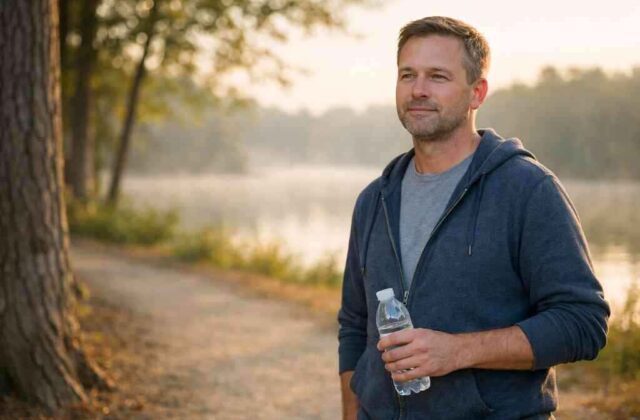
The landscape of healing from substance use disorders is undergoing a profound transformation. As the season of renewal unfolds, the field of addiction recovery is blossoming with innovations that promise more effective, accessible, and compassionate care. This spring, individuals and families embarking on the recovery journey will encounter a new paradigm-one that moves beyond one-size-fits-all approaches to embrace personalized, integrated, and sustainable pathways to wellness. From cutting-edge technology that predicts individual needs to holistic practices that nurture the whole person, the future of addiction treatment in 2026 offers unprecedented hope for those seeking freedom from addiction. Understanding these evolving trends is a crucial first step toward making an informed decision for yourself or a loved one.
The Dawn of Personalized Recovery Architectures
The era of generic treatment plans is ending, giving way to sophisticated architectures built around the individual. Leading addiction treatment centers are leveraging advanced science and data to craft personalized treatment plans that dramatically improve engagement and success rates. This shift represents a fundamental move from reactive care to proactive, precision healing, ensuring every intervention is uniquely suited to a person’s biology, psychology, and life circumstances. Consequently, the recovery process becomes more efficient and deeply resonant, significantly enhancing long-term outcomes and personal empowerment.
Genetic Testing for Medication Response and Precision Treatment
A cornerstone of this personalized approach is the strategic use of pharmacogenomic testing. By analyzing an individual’s genetic makeup, clinicians can now predict with remarkable accuracy how they will respond to specific medications used in medication-assisted treatment. This eliminates the traditional trial-and-error period, allowing for faster relief from withdrawal symptoms and cravings while minimizing side effects. This precision directly enhances the safety and efficacy of detoxification and ongoing therapeutic protocols. Ultimately, genetic insights empower treatment teams to design a biochemical strategy that supports the individual’s unique path, making treatment more effective from the start.
AI-Powered Treatment Matching Technology for Optimal Outcomes
Beyond genetics, artificial intelligence is revolutionizing how individuals are connected to the right level and type of care. Sophisticated AI in recovery support algorithms analyze vast datasets-including clinical history, social determinants of health, and personal preferences-to match a person with the ideal treatment facility and program modality. This technology considers factors that humans might overlook, ensuring a strong alignment between a client’s needs and a center’s specialties, whether for residential treatment, an intensive outpatient program, or specialized dual diagnosis treatment. This intelligent matching helps reduce early dropout rates and sets the foundation for sustained recovery.
You don't have to figure this out alone.
Speak with a caring specialist now — we'll verify your insurance, answer your questions, and find the right program near you. Free, 100% confidential, and no pressure, 24/7.
Call 1-888-685-2199Verify your insurance →Predictive Analytics for Relapse and Proactive Intervention
One of the most powerful applications of modern technology is in the realm of predictive analytics for relapse prevention. By continuously analyzing behavioral data from wearable devices and self-reported app check-ins, advanced systems can identify subtle patterns that precede a potential relapse. These systems alert both the individual and their support team, enabling early intervention before a crisis occurs. This transforms relapse prevention from a theoretical concept into a dynamic, actionable component of ongoing care. Proactive support like this is becoming integral to outpatient care and recovery support services, creating a safety net that empowers individuals throughout their journey.
The Virtual Continuum of Care Expansion
Geographic and logistical barriers to quality care are dissolving, thanks to the robust expansion of virtual health solutions. The virtual continuum of care ensures that professional support is accessible from anywhere, creating a seamless flow between different levels of treatment. This spring, integrating digital tools with traditional methods is not an alternative but a standard, high-quality practice that enhances continuity and engagement. For many, this means maintaining crucial connections with therapists and peers without disruption, which is vital for managing substance misuse and building a resilient recovery lifestyle in real-time.
Telehealth Addiction Services and Virtual IOP as Standard Practice
Telehealth addiction services have evolved from a temporary solution to a fully integrated, preferred modality for many aspects of care. Virtual therapy sessions, psychiatric consultations, and group counseling are now routinely delivered with high fidelity and therapeutic depth. Notably, virtual IOP programs offer the structured support of traditional intensive outpatient care with the flexibility to participate from home or work. This is particularly valuable for those transitioning from residential treatment or managing co-occurring behavioral health needs while maintaining daily responsibilities, effectively making quality addiction treatment services accessible to all.
Digital Therapeutics for SUD and Post-Treatment Monitoring Apps
Standalone digital therapeutics for SUD are now FDA-cleared tools that deliver evidence-based cognitive behavioral therapy and other interventions directly to a user’s smartphone. These apps work alongside clinical care to reinforce skills and provide support between sessions. Furthermore, sophisticated post-treatment monitoring apps track mood, cravings, and recovery activities, feeding valuable data back to care teams. This constant feedback loop allows for real-time adjustments to outpatient treatment plans and strengthens the individual’s own self-awareness and management skills, which are critical for long-term sobriety.
Recovery Community Connection Through Sober Social Networks
Isolation is a formidable enemy of recovery, but technology is fostering unprecedented connection. Dedicated sober social networks and virtual recovery platforms allow individuals to find peer support, share victories, and seek guidance at any hour. These recovery community connection tools build a sense of belonging and accountability that complements traditional AA Meetings and NA Meetings. They create a digital recovery ecosystem where individuals can cultivate healthy relationships and find inspiration, effectively extending the support network far beyond the walls of any treatment facility.
Integrated Behavioral Health and Holistic Spring Wellness
Modern recovery science unequivocally recognizes that addiction rarely exists in a vacuum. Therefore, the most effective addiction treatment services now seamlessly weave together mental, physical, and emotional wellness strategies. This spring, the emphasis on integrated behavioral health and holistic spring wellness is stronger than ever, acknowledging that true healing involves treating the whole person. This integrated approach ensures that underlying issues like trauma or mood disorders are addressed concurrently with substance use, leading to more stable and comprehensive recovery outcomes.
Co-Occurring Disorder Treatment and Trauma-Informed Care Evolution
Leading co-occurring disorder treatment centers no longer simply offer parallel tracks for addiction and mental health; they provide truly unified care where specialists collaborate on a single, cohesive plan. This is coupled with the ongoing trauma-informed care evolution, which permeates every aspect of the treatment environment. Staff are trained to recognize the widespread impact of trauma and to avoid re-traumatization, creating a space of psychological safety. This approach is fundamental for individuals whose substance use disorders are intertwined with past pain, making healing possible on a deeper level.
Addressing Seasonal Affective Disorder and Addiction in Spring
The spring season, while symbolizing renewal, can also present unique challenges like Seasonal Affective Disorder and addiction. The transition from winter can disrupt circadian rhythms and mood for some, potentially triggering cravings or depressive episodes. Proactive addiction treatment centers now screen for and address these seasonal patterns directly. Treatment plans may incorporate light therapy, adjusted medication regimens, and targeted counseling to help individuals navigate this seasonal shift without jeopardizing their sobriety, turning a potential vulnerability into an opportunity for growth.
Nutritional Therapy in Recovery and Outdoor Adventure Therapy
Holistic healing actively repairs the body damaged by substance misuse. Nutritional therapy in recovery is now a core component, using targeted diets and supplements to replenish deficiencies, repair gut health, and stabilize mood, which directly reduces cravings. Simultaneously, outdoor adventure therapy leverages the rejuvenating power of nature and springtime. Activities like hiking, gardening, and ropes courses build confidence, reduce stress, and teach healthy coping mechanisms in a real-world setting. This combination of internal nourishment and external engagement creates a powerful foundation for physical and mental renewal.
Innovative Modalities and Value-Based Treatment Outcomes
The drive toward value-based treatment outcomes is fueling the adoption of innovative, evidence-based modalities that deliver measurable results. Treatment facilities are increasingly accountable for demonstrating long-term success, not just completing a program. This focus on tangible value for clients means incorporating advanced therapies that address the neurological underpinnings of addiction and strengthen the skills necessary for a sober life. These modalities represent the cutting edge of addiction recovery services, offering new hope where traditional methods may have fallen short.

Neurofeedback Treatment and Executive Function Rehabilitation
Neurofeedback treatment for addiction is a non-invasive therapy that helps individuals retrain their brainwave patterns. By providing real-time feedback on brain activity, clients learn to self-regulate emotions and impulses that often drive addictive behaviors. This is frequently paired with executive function rehabilitation, which targets skills like impulse control, decision-making, and emotional regulation that are often impaired in substance use disorders. Together, these therapies help rebuild the cognitive framework necessary for sustained recovery, addressing the disorder at a fundamental neurological level.
Advanced Medication-Assisted Treatment and Spring Detox Programs
Medication-assisted treatment advances continue to improve the safety and comfort of the detox and early recovery phases. New medication formulations and protocols minimize withdrawal symptoms and cravings more effectively than ever before. Specifically, spring detox programs often incorporate these advances with a focus on seasonal renewal, using the natural environment as a therapeutic asset. This medical support provides a stable platform from which individuals can fully engage in the therapeutic work of recovery, making the difficult first step toward sobriety more manageable.
Mindfulness-Based Relapse Prevention and Peer Support Specialization
Mindfulness-based relapse prevention teaches individuals to observe their cravings and thoughts without judgment or reaction, creating a critical pause between impulse and action. This skill is invaluable for navigating high-risk situations in daily life. Furthermore, the role of peer support is becoming more specialized, with trained recovery coaches offering guidance tailored to specific demographics or substance histories. This peer support specialization ensures that individuals receive relatable, experienced-based mentorship that significantly enhances the effectiveness of formal treatment programs.
Building Sustainable Recovery Ecosystems
Lasting recovery extends far beyond the initial treatment episode; it requires the intentional construction of a supportive life structure. The modern focus is on building sustainable recovery ecosystems that surround the individual with resources, relationships, and healthy routines. This ecosystem approach recognizes that recovery is a long-term process of building a meaningful life, not just eliminating substance use. It involves the entire family and community, creating a web of support that fosters resilience and prevents relapse through connection and purpose.
Recovery Capital Building and Continuum of Care Models
The concept of recovery capital-the sum of internal and external resources one can use to initiate and sustain recovery-is now a central treatment goal. Programs actively help individuals build social, financial, and health capital. This work is structured within robust continuum of care models, which provide a seamless pathway from detox to residential care, to outpatient treatment, and into long-term recovery support services. This structured yet flexible progression ensures no one falls through the gaps during vulnerable transition periods, significantly improving long-term stability.
Family Therapy Modalities and Recovery Support Services
Addiction affects the entire family, and healing must involve the family system. Modern family therapy for addiction helps repair trust, improve communication, and educate loved ones on the nature of substance use disorders. These modalities empower families to become a source of healthy support rather than enabling or conflict. Concurrently, comprehensive recovery support services provide practical assistance with housing, employment, and legal issues, removing external stressors that can threaten sobriety. This multi-faceted support is essential for rebuilding a functional and nurturing home environment.
Sober Living Spring Transition and Sober Spring Activities
Transitional housing plays a pivotal role in the spring, a season of new beginnings. Sober living spring transition housing offers a structured, substance-free environment where individuals can practice living independently while maintaining accountability. These homes often organize sober spring activities like group outings, sports leagues, and volunteer projects, helping residents build a joyful sober social life. Engaging in these activities reinforces the skills learned in treatment and demonstrates that a fulfilling life in recovery is not only possible but vibrant and connected.
Frequently Asked Questions
Question: How is the future of addiction treatment in 2026 making the first step to recovery more personalized and effective?
Answer: At Addiction Treatment Services, we are at the forefront of the exciting evolution in care. The future of addiction treatment, especially as highlighted for Spring 2026, is centered on creating personalized treatment plans that move far beyond a one-size-fits-all approach. We connect individuals with leading addiction treatment centers that utilize genetic testing for medication response to ensure medication-assisted treatment is precisely tailored, minimizing withdrawal symptoms and side effects from the start. Furthermore, our directory includes facilities employing AI in recovery support and treatment matching technology to analyze your unique history and needs, ensuring you are matched with the ideal treatment facility, whether it’s a residential treatment program, an intensive outpatient program, or specialized dual diagnosis treatment. This data-driven, personalized architecture makes the recovery process more engaging and effective from the very first step, giving you and your family the best possible foundation for long-term success.
Question: I need flexible support. What spring recovery trends in telehealth and virtual care should I expect in 2026?
Answer: Accessibility and continuity are paramount. A major trend for Spring 2026 is the robust expansion of the virtual continuum of care. Addiction Treatment Services simplifies your search for top-tier telehealth addiction treatment services near you. These are now standard practice, offering therapy, psychiatry, and group sessions from the comfort of your home. Specifically, look for comprehensive virtual IOP spring 2026 programs that provide the structured support of traditional intensive outpatient program care with unmatched flexibility. This is ideal for maintaining outpatient treatment while managing work or family responsibilities. We also guide you to programs incorporating digital therapeutics for SUD and post-treatment monitoring apps, which offer evidence-based tools and real-time tracking to support your recovery between clinical sessions. This seamless blend of in-person and digital care ensures you have consistent, professional support wherever you are, effectively breaking down geographic barriers to quality addiction treatment services.
Question: My loved one struggles with both addiction and depression. How do modern programs provide integrated behavioral health and holistic spring wellness?
Answer: This is a critical focus of contemporary care. The most effective addiction treatment services now fully integrate mental and physical health strategies. Through our directory, you can find specialized co-occurring disorder treatment centers where teams collaborate on a unified plan for both substance use disorders and conditions like depression or trauma. This integrated behavioral health approach is enhanced by the trauma-informed care evolution in rehab, ensuring a safe, empathetic environment. For holistic spring wellness, many programs we list incorporate nutritional therapy in recovery to heal the body and stabilize mood, and outdoor adventure therapy for substance use to leverage the renewing energy of the season. They also proactively address challenges like seasonal affective disorder and addiction, using light therapy and counseling to navigate seasonal transitions. This whole-person approach ensures underlying issues are healed alongside addiction, leading to more sustainable and comprehensive recovery outcomes.
Question: What innovative modalities for relapse prevention and value-based treatment outcomes are emerging for Spring 2026?
Answer: The drive for value-based treatment outcomes is fueling incredible innovation. Addiction Treatment Services connects you with centers utilizing cutting-edge modalities that deliver measurable, long-term results. For neurological healing, look for neurofeedback treatment for addiction and executive function rehabilitation, which help retrain brain patterns and rebuild crucial cognitive skills like impulse control. For relapse prevention, mindfulness-based relapse prevention is a powerful skill-based therapy, and predictive analytics for relapse use data from wearables and apps to enable proactive early intervention. Furthermore, peer support specialization provides relatable mentorship from trained coaches. These advanced methods, combined with medication-assisted treatment advances in spring detox programs, address addiction at its core. We help you find programs committed to these innovative, evidence-based practices because they translate directly into stronger, more resilient recovery capital building for our clients.
Question: After residential treatment, what support exists for building a sustainable recovery ecosystem, especially during a spring transition?
Answer: Lasting recovery depends on a strong support network after formal treatment ends. Addiction Treatment Services is your guide to building sustainable recovery ecosystems. We provide resources on robust continuum of care models for recovery, ensuring a smooth step-down from residential treatment to outpatient care and long-term recovery support services. A key component for spring is finding quality sober living spring transition housing, which offers a structured, substance-free environment to practice independent living. We also help you locate communities that organize sober spring activities to build a joyful, sober social life. Furthermore, our directory includes providers of essential family therapy modalities to heal relationships and comprehensive recovery support services for practical help with housing or employment. By connecting you with these vital resources, we help you construct a web of support-including recovery community connection through sober social networks-that fosters resilience and a meaningful life in recovery.