



Introduction: The Evolving Landscape of Residential Addiction Treatment
Understanding the Shift Towards Integrated Care Models
Residential addiction treatment has undergone significant transformations in recent years. There is a growing shift toward integrated care models that holistically address both physical and mental health needs. This approach recognizes the intertwined nature of substance use disorders and co-occurring conditions. By combining behavioral health services with substance use treatment, individuals receive comprehensive care that improves overall outcomes. These models aim to provide seamless, coordinated services that support the whole person, not just their addiction.
The Role of Technology in Modern Recovery
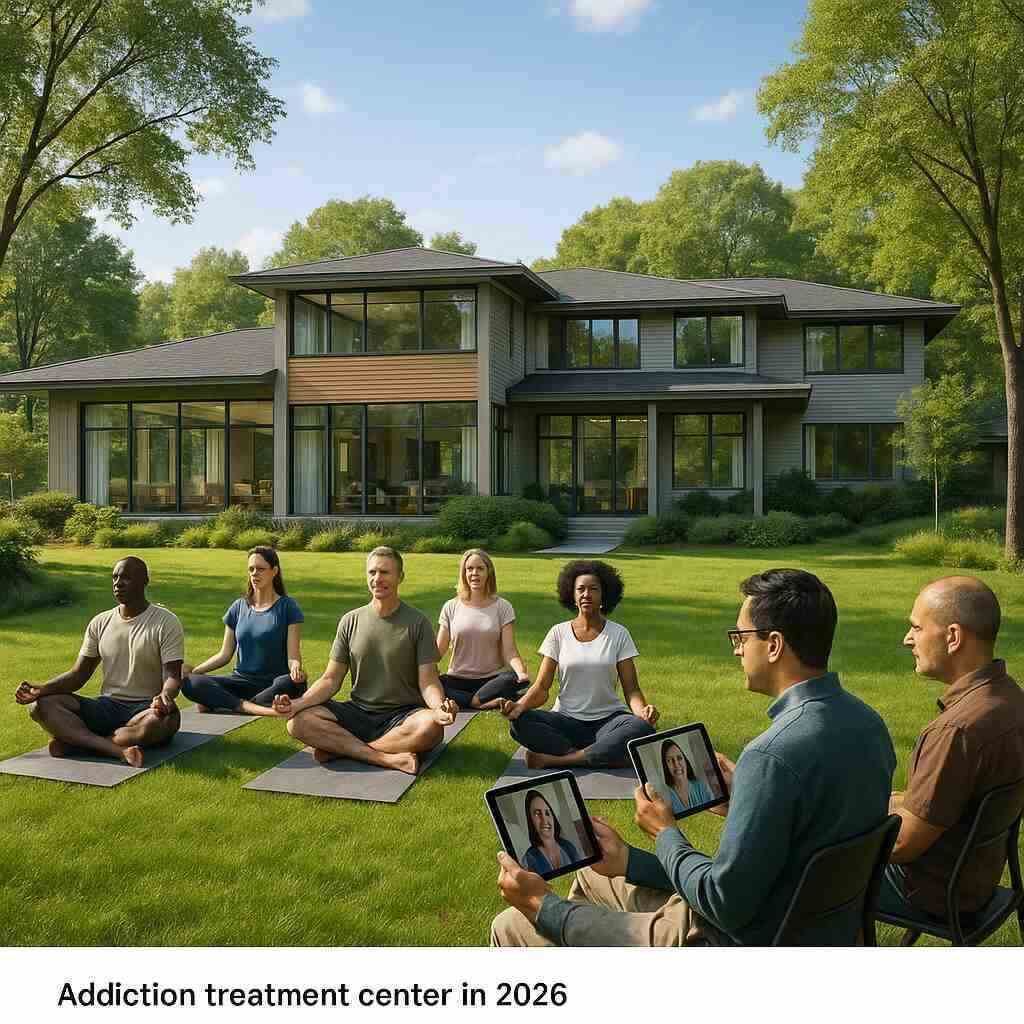
Advancements in technology are playing a pivotal role in enhancing the recovery process. Telehealth and virtual therapy options have become increasingly prevalent, offering flexibility and accessibility for individuals seeking treatment. These tools not only expand access to care but also facilitate ongoing support, ensuring that help is always within reach. Technology also aids in monitoring progress and identifying potential triggers through apps and online platforms, making personalized, real-time adjustments possible. As a result, clients can expect more efficient and effective treatment plans that adapt to their evolving needs.
Addressing Substance Use Disorders with a Comprehensive Approach
A comprehensive approach to substance use disorders is essential for long-term recovery success. This strategy involves the coordinated use of various treatment modalities, including medical detoxification, therapy, and aftercare services. By addressing the underlying causes of addiction – such as trauma, mental health issues, and social determinants of health – individuals are more likely to achieve sustainable recovery. Through a combination of clinical interventions and community resources, this holistic approach empowers clients to regain control of their lives and build a healthier future.
Personalized Treatment Plans: A New Era of Tailored Recovery
Holistic Wellness Programs for Sustainable Recovery
In 2026, residential treatment centers are placing greater emphasis on personalized wellness programs for recovery. These programs are designed to meet the unique needs of each individual, considering factors such as physical health, nutrition, stress management, and recreation. By incorporating holistic practices like yoga, meditation, and art therapy, these programs promote a balanced lifestyle that supports ongoing recovery. This focus on wellness helps individuals develop the skills needed to maintain sobriety and lead fulfilling lives beyond treatment.
Innovative Treatment Modalities: From Virtual Therapy to Cutting-Edge Detox Methods
The addiction treatment landscape is rapidly evolving, with a surge in innovative treatment modalities. From virtual therapy to advanced detox methods, these developments are enhancing the recovery experience. Virtual therapies offer convenience and privacy, making them accessible to a wider audience. Meanwhile, cutting-edge detox techniques are providing safer, more comfortable withdrawal processes, reducing the risk of relapse. Patients now have access to a range of tools tailored to their specific needs, allowing for more personalized and effective treatment plans.
The Impact of Trauma-Informed Care on Recovery Outcomes
Trauma-informed care has become an integral component of addiction treatment, reflecting a deeper understanding of how trauma shapes substance use disorders. By using strategies that recognize and account for past trauma, treatment facilities are better equipped to support recovery. This approach empowers individuals to confront and heal from their experiences, ultimately leading to more positive treatment outcomes. Trauma-informed care fosters resilience and self-awareness, enabling clients to build healthier coping mechanisms that support long-term sobriety.
Family and Community: Pillars of Support in the Recovery Journey
Family Involvement in Recovery: Strengthening the Support System
Family involvement is a crucial element of the recovery process, as it strengthens an individual’s support system. By engaging family members in therapy and education, treatment programs aim to rebuild trust and improve communication. This involvement helps families understand addiction as a disease, reducing stigma and fostering a more supportive home environment. Individuals in recovery who feel encouraged and supported by their families show significantly better chances of maintaining sobriety. For guidance on recognizing when a loved one needs help, see Top 7 Signs a Family Member Needs Addiction Treatment Now.
Peer Support Networks: Building a Therapeutic Community
Peer support networks are invaluable in creating a therapeutic community approach to addiction recovery. These networks provide a sense of belonging and accountability, allowing individuals to connect with others who share similar experiences. Through group meetings and peer-led activities, people in recovery can build lasting relationships, gain new perspectives, and receive encouragement. These networks are not only essential during treatment but also play a significant role in post-treatment recovery, offering ongoing support and guidance.
Community-Based Recovery Support: Fostering Long-Term Solutions
Community-based recovery support initiatives are emerging as effective long-term solutions for individuals in recovery. These programs focus on building partnerships with local organizations and leveraging available resources to support recovery efforts. By offering access to housing, employment, and education, community-based programs help individuals reintegrate into society successfully. This comprehensive support fosters a sense of purpose and stability, significantly increasing the likelihood of sustained sobriety.
Advanced Therapies and Techniques: Pioneering the Future of Recovery
Exploring Modern Addiction Therapies and Evidence-Based Practices
As the field of addiction treatment advances, modern therapies are being explored to enhance effectiveness. Strong emphasis is placed on evidence-based practices in addiction recovery, ensuring interventions are grounded in scientific research. Cognitive-behavioral therapy, motivational interviewing, and contingency management are among the proven strategies being integrated into treatment plans. These practices focus on changing behavioral patterns and thought processes, equipping clients with the skills needed to overcome addiction and prevent relapse.
Mental Health Integration and Dual Diagnosis Treatment
The integration of mental health services into addiction treatment has become essential, particularly for individuals with co-occurring disorders. Dual diagnosis treatment addresses both substance use and mental health conditions simultaneously, significantly improving recovery outcomes. This comprehensive approach allows for thorough assessment and tailored interventions that meet each individual’s unique needs. By incorporating mental health professionals into the treatment team, residential facilities are better equipped to address the complex relationship between addiction and mental health.
Relapse Prevention Techniques: Proactive Recovery Planning
Effective relapse prevention techniques are central to proactive recovery planning. By identifying triggers and developing coping strategies, individuals can protect their sobriety. Structured programs emphasize the development of personalized relapse prevention plans, incorporating strategies such as mindfulness, stress reduction, and goal setting. Ongoing support and regular check-ins with treatment professionals help maintain accountability and allow plans to be adjusted as needed. With these tools, individuals are empowered to anticipate challenges and navigate them successfully, supporting a continuous path to recovery.
Conclusion: Navigating the Path to Recovery in 2026
The Comprehensive Care Continuum: Ensuring a Smooth Transition
In 2026, the comprehensive care continuum is integral to ensuring smooth transitions throughout the recovery journey. This continuum encompasses every stage of treatment, from initial assessment to aftercare, promoting continuity and consistency. By coordinating services and minimizing gaps in care, individuals face a lower risk of relapse. This approach underscores the importance of long-term recovery planning, recognizing that recovery is a lifelong process.
Embracing Innovation for a Brighter Recovery Future
Embracing innovation within addiction treatment holds real promise for stronger recovery outcomes. Advanced technologies, cutting-edge therapies, and holistic approaches are reshaping the treatment landscape. These innovations provide clients with diverse options and allow for highly personalized care. By staying informed about these developments, individuals and providers alike can leverage the best available resources and remain at the forefront of addiction recovery practices.
The Role of Addiction Treatment Services in Your Recovery Journey
Addiction Treatment Services plays a pivotal role in guiding individuals through their recovery journey. With a comprehensive addiction treatment services directory, we simplify the search for appropriate care. Our expert insights and curated resources ensure that you are informed about the full spectrum of options available. As a trusted partner, we are committed to supporting your pursuit of health and sobriety, offering the guidance and tools needed for a successful recovery. Help is always available through our extensive network of treatment centers.
Frequently Asked Questions
Question: How does the integration of technology enhance personalized treatment plans in residential addiction treatment for 2026?
Answer: In 2026, the incorporation of technology into residential addiction treatment is transforming personalized treatment plans. Virtual therapy options and telehealth platforms offer dynamic, convenient avenues for ongoing support, making it easier for individuals to access care anytime and anywhere. These technologies not only bridge geographic barriers but also allow for real-time adjustments to treatment plans based on the individual’s changing needs. By enhancing communication with treatment professionals and monitoring progress through health apps, clients receive highly personalized care, reinforcing the effectiveness of their addiction recovery journey. Trust Addiction Treatment Services to guide you through these innovative digital solutions for a comprehensive approach.
Question: What role does family involvement play in supporting sustainable recovery in the context of holistic addiction recovery?
Answer: Family involvement is a cornerstone of sustainable recovery in holistic addiction treatment frameworks. By engaging family members in the therapeutic process, treatment programs aim to build a robust support system at home. Families are educated about the nature of substance use disorders, reducing stigma and fostering a nurturing environment that supports long-term recovery. Addiction Treatment Services emphasizes family involvement as part of its comprehensive care continuum, strengthening communication and relationships that are vital for individuals overcoming addiction. We encourage families to participate actively, ensuring our holistic addiction recovery methods extend beyond treatment centers into daily life, contributing to lasting sobriety.
Question: What innovative treatment modalities can individuals expect from residential addiction treatment services near me in 2026?
Answer: In 2026, individuals can anticipate a range of innovative treatment modalities from residential addiction treatment services near them. These include cutting-edge detox methods that ensure a safer, more comfortable withdrawal process, reducing relapse risks. Virtual therapy options and advanced therapies such as trauma-informed care and cognitive-behavioral therapy are increasingly integrated into treatment plans. Addiction Treatment Services offers these modern addiction therapies, supported by evidence-based practices, ensuring that care is always at the forefront of scientific advancements. Our directory will connect you to centers implementing these pioneering modalities, ensuring your treatment is both effective and tailored to your specific needs.
Question: How do integrated care models influence the addiction recovery process in 2026?
Answer: Integrated care models play a transformative role in addiction recovery in 2026 by addressing both substance use and co-occurring mental health disorders. These models provide seamless, coordinated service delivery, ensuring that the mental, emotional, and physical aspects of recovery are addressed simultaneously. Addiction Treatment Services is committed to helping individuals navigate these comprehensive models, offering integrated mental health services that are crucial for holistic recovery. By adopting an approach that incorporates mental health integration, clients are more likely to benefit from a thorough assessment and a personalized care plan that supports their entire wellbeing, promoting sustainable recovery.
Question: What can individuals expect from the comprehensive care continuum mentioned in the blog titled ‘What to Expect From Residential Addiction Treatment in 2026’?
Answer: The comprehensive care continuum highlighted in the blog ‘What to Expect From Residential Addiction Treatment in 2026’ ensures a smooth transition through every phase of recovery. This continuum begins with initial assessments and encompasses a range of services that include detoxification, residential care, and extended support through aftercare programs. Addiction Treatment Services prioritizes continuity of care, reducing treatment gaps and minimizing relapse risks. By offering coordinated services and emphasizing long-term recovery planning, we ensure individuals have a clear roadmap for their journey, making it easier to build a sober and fulfilling life with the guidance of our trusted treatment directories.