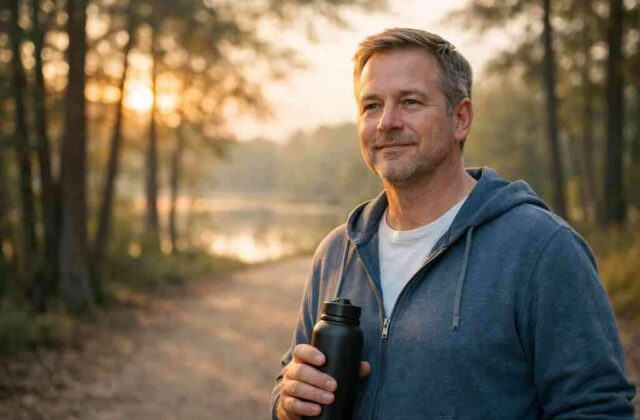


Stopping substance use is often the most visible goal when you struggle with addiction, but it is rarely the only hurdle you face. Many people find that physical sobriety is only the beginning of a deeper transformation required to maintain long-term health. Addiction affects every fiber of your being, from internal thought patterns to physical energy levels and daily social habits. Relying on a single method often leaves hidden emotional wounds untreated, which increases the risk of returning to old habits. By viewing recovery as a complete integration of your life, you can build a foundation that supports lasting change.
Breaking the Cycle Beyond Just Stopping Use
Recovery is far more than simply removing drugs or alcohol from your daily routine. True healing requires you to look at the factors that drive your substance use disorder treatment needs. Addiction is a complex interplay of biology, environment, and personal history that demands a tailored solution. When you address root causes, you move from merely surviving to thriving.
Why standard methods sometimes miss the mark
Standard programs often focus heavily on symptom management, which can leave you feeling like a number rather than an individual. While these programs provide essential stabilization, they may fail to account for your unique life story or personal trauma history. You might find that classroom-style lectures do little to address specific triggers or inner restlessness. Because everyone reacts differently to stressors, a rigid, one-size-fits-all model often overlooks critical aspects of your personality. To truly heal, you need a program that understands your path is distinct.
Moving toward a whole person healing philosophy
A whole-person healing philosophy recognizes that your mental, physical, and spiritual health are inextricably linked. This approach focuses on how your environment, diet, and emotional landscape contribute to your overall well-being. By integrating holistic recovery practices, you gain tools that help you regulate your nervous system. This philosophy encourages you to become an active participant in your own care. When you feel respected and understood, your motivation to continue grows naturally.
You don't have to figure this out alone.
Speak with a caring specialist now — we'll verify your insurance, answer your questions, and find the right program near you. Free, 100% confidential, and no pressure, 24/7.
Call 1-888-685-2199Verify your insurance →Recognizing when your current recovery plan feels incomplete
If you feel stuck or keep facing the same obstacles, your current plan might be missing the mark. Many people realize their recovery is incomplete when they achieve sobriety but still feel empty, anxious, or perpetually disconnected. If you have done the work but life still feels unmanageable, you might benefit from shifting your perspective. It is acceptable to acknowledge that your needs have changed as you have grown. Seeking holistic addiction treatment services in California can offer the variety and depth required to bridge those gaps.
The Science of Integrating Mind and Body in Recovery
The connection between your brain and your body is powerful, especially when you are navigating the impact of substance use. Scientific research shows that addiction changes how your brain processes pleasure, stress, and reward. By engaging in practices that calm your nervous system, you help your brain heal more effectively. This integration is not just about relaxation; it is about retraining your brain to respond to life with clarity and calm.
How evidence-based holistic rehab bridges the gap
Evidence-based care means that the methods you use are backed by research and proven to improve health outcomes. When you add holistic techniques to these clinical foundations, you create a robust structure for lasting change. For example, using CBT alongside meditation helps you identify negative thoughts and physically calm the anxiety they trigger. This dual approach ensures you have both logical and physiological tools to handle difficult moments. Finding evidence-based holistic rehab in New York can provide you with this balanced, high-quality care.
Using somatic experiencing to process stored trauma
Trauma often lives in the body long after the event has passed, leading to chronic tension and sudden, intense emotional shifts. Somatic experiencing allows you to release this stored energy safely through guided physical awareness. You learn how to identify where stress hides in your muscles and how to let go of that grip. By addressing these physical symptoms, you often find that your mental state naturally clears up as well. It is a gentle, effective way to heal deep wounds without having to recount every detail of your past.
The role of nutritional therapy in repairing brain chemistry
Your brain relies on specific nutrients to produce the chemicals that keep you feeling balanced and happy. Years of substance use often deplete your body of these essential building blocks, leading to cravings and mood swings. Nutritional therapy helps you rebuild your health from the inside out, providing the fuel your brain needs to repair itself. When you stabilize your blood sugar and provide adequate vitamins, your focus improves and your mood becomes more stable. Proper nutrition is a foundational piece of any individualized holistic treatment plans in Illinois.
Addressing Co-Occurring Mental Health Needs
Mental health and substance use are often deeply intertwined, a phenomenon known as dual diagnosis. Ignoring your anxiety, depression, or PTSD can make staying sober significantly harder, as you may use substances to cope with these symptoms. Treating both your substance use and your mental health concurrently is crucial for success. By addressing these concerns together, you stop the cycle of self-medication.
Why comprehensive dual diagnosis treatment matters
When you have a comprehensive dual diagnosis treatment in Ohio plan, you stop treating your symptoms in isolation. You gain a better understanding of how your mental health affects your desire to use substances. This level of care ensures that you aren’t just putting a bandage on a wound but are actually healing the underlying cause. It provides a safer environment where you can explore difficult emotions without fear of judgment.
Regulating emotions through DBT and mindfulness
Dialectical Behavior Therapy (DBT) is exceptionally effective for those who feel their emotions are often too intense to handle. By combining this with mindfulness, you learn how to observe your feelings without immediately acting on them. These skills allow you to pause, breathe, and choose a healthy response instead of reacting to pain. You become more capable of sitting with discomfort, which is a vital skill for anyone building a new, sober life. Consistent practice makes it easier to navigate the ups and downs of daily life without needing substances.
Finding support for anxiety and PTSD within a holistic framework
Anxiety and PTSD can be overwhelming, making it feel impossible to focus on anything other than survival. Holistic frameworks offer trauma-informed care approaches that prioritize your sense of safety. Through techniques like EMDR, deep breathing, and specialized counseling, you learn to process your past in a way that no longer haunts your present. You can regain control over your nervous system and find peace in your daily routines. This support allows you to build a future that is not defined by your past triggers.
Building a Sustainable Lifestyle Through Integrative Wellness
Sustainability is the secret to staying sober over the long term. If your recovery plan feels like a chore, you are less likely to stick with it when life gets tough. By building a lifestyle centered on wellness, you create a version of yourself that you actually enjoy living with. This means finding activities that bring you joy, purpose, and a sense of belonging in the community.
Creating a personalized continuum of care for long-term success
A personalized continuum of care in Texas is essential because your needs will change as you progress through your recovery. You might start with detox and residential treatment, but your needs for aftercare and support will evolve. Having a plan that transitions with you prevents the common pitfalls of feeling lost after leaving a facility. It ensures that you have access to help precisely when you need it most, preventing small relapses before they become major setbacks.
Nature-based therapeutic interventions and restorative yoga
Connecting with nature is one of the most underrated tools in the recovery toolbox. Nature-based therapeutic interventions in North Carolina help you get out of your head and into the present moment. Whether it is walking through the woods or practicing quiet reflection by a lake, nature promotes healing. Combined with restorative yoga, these activities help you lower your cortisol levels and find a sense of inner peace. These practices are not just for relaxation; they are powerful ways to build a healthier, more grounded identity.
Developing relapse prevention strategies that actually stick
Relapse prevention is most effective when it is proactive rather than reactive. You should have a clear set of tools and people you can reach out to before you ever feel the urge to use. By incorporating holistic strategies for dual diagnosis, you address the emotional and physical triggers that lead to cravings. When you know your own patterns and have healthy outlets for stress, you are far more resilient.
Finding Your Path to Lasting Change
Taking the steps toward a healthier life can feel intimidating, but you do not have to do it alone. The right environment makes all the difference in your ability to heal and grow. By using our directory, you can find centers that offer the specific types of support you need to thrive. Whether you are looking for integrative wellness for substance use disorder in Florida or specialized programs in other areas, we are here to help.
How to use our directory to find the right environment
Our directory is designed to help you quickly filter for the specific services that matter to you. You can look for programs that offer holistic detox support in Pennsylvania or those that specialize in certain therapeutic models. Simply enter your location, select your preferences, and review the profiles of various treatment centers. We provide details on insurance coverage, levels of care, and special features like gender-specific groups. This helps you narrow your search down to the places that truly feel like the right fit for your personality.
Matching your personal needs to the right level of care
Not every level of care will be appropriate for your current situation, and that is completely normal. You might need the round-the-clock support of a residential program, or you might be ready for the flexibility of an intensive outpatient program. When you find a mind-body approach to recovery in Colorado, you can ask about their specific programs to see if they align with your goals. Our resources ensure you have a clear understanding of what each level entails so you can make an informed decision. Being honest about your needs is the best way to set yourself up for long-term success.
Taking the next step toward a healthier future
The most important thing to remember is that change is possible and you are capable of building a life you love. By embracing trauma-informed healing modalities in Georgia, you are choosing a path that respects your humanity and supports your growth. We are dedicated to helping you connect with the professional help that will give you the tools to succeed. If you are ready to explore your options or need support, browse our directory today to find the care that fits your unique journey.
Frequently Asked Questions
How do I know if I need residential or outpatient treatment?
The choice between residential and outpatient care depends on the severity of your substance use and your current living environment. Residential treatment offers a structured, 24/7 environment ideal for those needing a break from their daily triggers. Outpatient care allows you to maintain your work or family commitments while receiving support. If your symptoms are severe, starting with a higher level of care is often the safest path.
What is medication-assisted treatment and is it effective?
Medication-assisted treatment, or MAT, combines FDA-approved medications like buprenorphine or naltrexone with counseling and therapy. It is highly effective for opioid and alcohol use disorders because it helps stabilize brain chemistry and reduce cravings. By managing the physical symptoms of withdrawal, MAT allows you to focus on the behavioral changes needed for long-term recovery. It is a standard of care for many individuals seeking sustainable, evidence-based help.
Can I find a program that addresses my specific mental health needs?
Yes, many centers specialize in dual diagnosis treatment to support individuals with co-occurring mental health issues like anxiety, depression, or PTSD. It is vital to find a program that treats both your substance use and your mental health at the same time. This ensures you are not just treating the symptoms of your addiction but the underlying emotional health concerns that may fuel it. Our directory allows you to filter for centers that provide this level of specialized care.
How do I navigate insurance and payment options for rehab?
Navigating insurance can feel overwhelming, but many treatment centers accept private insurance, Medicaid, and Medicare to help cover costs. Start by calling the number on the back of your insurance card to ask about your mental health and substance use benefits. Many centers also offer sliding scale fees or payment plans to make treatment more accessible. Our directory provides resources to help you understand these options so you can focus on your recovery.
What does a typical day look like in a holistic recovery program?
A typical day in a holistic program balances clinical therapy with wellness-focused activities. You might start your morning with restorative yoga or meditation to set a calm intention for the day. This is usually followed by group therapy sessions and individual counseling where you work on your recovery goals. Afternoons might include nutritional counseling, nature-based activities, or skills training for stress management. The goal is to keep you engaged while teaching you how to integrate healthy habits into your daily life.