



Opening the Door to Hope on the Prairie
Why a Family Guide Matters in the Mount Rushmore State
South Dakota’s sweeping prairies may look tranquil, yet countless households quietly battle substance misuse every day. Parents, spouses, and siblings often feel isolated while trying to locate reliable addiction treatment services near them. A focused family guide breaks that isolation by translating clinical language into plain talk and spotlighting practical first steps. Whether you need Sioux Falls outpatient addiction programs or Rapid City residential drug treatment resources, having a roadmap saves precious time and reduces crisis‐driven decisions. For many households, the family addiction treatment options in South Dakota page becomes the first digital lifeline that ushers everyone toward evidence-based help.
South Dakota’s frontier spirit shapes the recovery landscape in unique ways. Long winter drives, sparse population pockets, and limited rural health staffing can complicate access to behavioral health services. A statewide family guide addresses these realities by listing telehealth substance abuse counseling, tribal healing circles, and faith-based rehab facilities serving small-town congregations. Families also gain clarity on state-funded detoxification services and Medicaid accepted addiction treatment that meet quality standards. By understanding local nuances, relatives can advocate effectively for loved ones while sidestepping misinformation that often circulates online.
Understanding Substance Use Disorders as a Shared Journey
It is easy for relatives to view substance use disorders solely through the lens of the individual who is struggling. Modern neuroscience, however, paints a different picture: addiction is a chronic brain disease that ripples through the entire family system. Recognizing this shared impact helps everyone move from blame to collaboration, an emotional pivot that is essential for long-term recovery. When parents learn how withdrawal symptoms alter mood or why medication-assisted treatment options in South Dakota can stabilize brain chemistry, empathy replaces frustration. This knowledge prepares families to engage in early intervention strategies for college students on the plains before experimentation hardens into dependency.
Families also discover the value of structured recovery support services designed specifically for relatives. Al-Anon, family education workshops, and group therapy sessions teach coping skills, boundary setting, and relapse prevention planning for adolescents. These resources complement outpatient care or residential treatment by addressing co-occurring PTSD and substance misuse within the household. When each member heals, the collective resilience of the family grows, making sustained recovery more attainable. The national addiction treatment resource hub provides curated articles, webinars, and helpline access so loved ones can continuously expand their knowledge base.
Leveraging the Addiction Treatment Services Directory for Rapid Answers
Time feels compressed when a loved one experiences acute withdrawal symptoms or a relapse scare. The Addiction Treatment Services directory shortens the search process by filtering treatment facilities according to insurance type, level of care, and special populations served. Instead of scrolling through endless results, you can quickly locate detox centers near the Black Hills or intensive outpatient programs criteria that match your insurer’s coverage. Interactive maps and verified reviews further streamline decision-making for families juggling work, school, and caregiving duties.
The directory also highlights regional alternatives if waitlists emerge. Should Rapid City programs reach capacity, the platform lists outpatient and residential care in nearby Minnesota or detox and therapy choices in neighboring Nebraska for quicker admission. Each listing includes accreditation status, evidence-based treatment modalities, and recovery support services to ensure transparency. In moments of crisis, families can use the one-click feature to contact professionals for South Dakota rehab help and receive personalized guidance. By pairing technology with compassionate expertise, the directory transforms frantic searches into structured action plans.
Mapping the South Dakota Recovery Terrain
Detox Centers near the Black Hills and Beyond
South Dakota families often start the recovery process by locating detoxification services that feel both safe and reputable. Licensed treatment facilities around the Black Hills offer medical supervision for alcohol, meth, and opioid withdrawal symptoms, yet beds fill quickly during peak tourism months. Because long drives can delay urgent care, Addiction Treatment Services highlights smaller hospital units in Spearfish and Custer where board-certified teams stabilize patients before transfer. These regional hubs coordinate directly with residential treatment programs, ensuring continuity so loved ones never slip through administrative cracks. Knowing that detox is a first step, relatives can focus on emotional support instead of frantic facility searches.
Driving three or four hours for care is common on the prairie, so virtual pre-admission evaluations shorten waitlists and verify insurance before departure. Families can review accreditation reports and nurse-to-client ratios through the growing access to quality care in South Dakota article and decide if a center meets evidence-based standards. Many detox units now integrate telepsychiatry, allowing addiction medicine specialists in Sioux Falls to adjust medication protocols remotely. This hybrid model preserves rural autonomy while upgrading clinical oversight, an innovation that continues to expand across the state. By pairing modern technology with prairie pragmatism, detox providers protect both safety and dignity.
Sioux Falls Outpatient Addiction Programs for Busy Households
Families in the Sioux Empire often juggle school schedules, farm duties, and multiple jobs, making daily clinic attendance impossible. Comprehensive intensive outpatient programs offer evening cognitive behavioral therapy, medication management, and peer recovery coaching so clients maintain employment. Flexible telehealth sessions complement in-person groups, ensuring adolescents and working parents receive consistent behavioral health services without excessive travel. Some programs specialize in co-occurring PTSD and substance misuse, allowing a single care team to treat trauma and cravings simultaneously. Insurance verification staff streamline authorizations, reducing administrative delays that can derail motivation.
When local waitlists stretch beyond comfort, families explore outpatient and residential care in nearby Minnesota for quicker admission. Crossing the state line expands network options while preserving daily commuting feasibility for border communities like Brandon or Luverne. Minnesota providers often accept the same commercial plans and coordinate aftercare back in Sioux Falls, preventing treatment gaps. This regional collaboration underscores how Addiction Treatment Services connects neighboring states into one seamless recovery corridor. Loved ones gain choice and speed, two factors proven to boost long-term engagement.
Rapid City Residential Drug Treatment Resources at a Glance
The western half of the state relies heavily on Rapid City for high-intensity residential treatment programs that address severe drug addiction. Facilities here combine structured daily schedules with adventure therapy in the Black Hills, using hiking and equine activities to rebuild coping skills. Multi-disciplinary teams include addiction psychiatrists, licensed counselors, and certified peer specialists, ensuring each client’s treatment plan feels personalized. Family therapy weekends invite parents and spouses into relapse prevention workshops, transforming support systems before discharge. Because isolation can trigger relapse, many centers arrange sober living placements immediately after inpatient care ends.
Residential programs often partner with local employers and tribal colleges to offer workforce re-entry training. Clients leave with résumé workshops, GED support, and continuing education leads that reinforce sobriety through purpose. Alumni networks meet monthly for peer-led accountability circles, creating an ongoing safety net across Pennington County. By combining clinical excellence with community integration, Rapid City treatment facilities cultivate resilience that reaches far beyond their walls.
Medication Assisted Treatment Options Across Tribal and Urban Clinics
Medication-assisted treatment, or MAT, remains the gold standard for opioid and alcohol use disorders when paired with counseling. Urban clinics in Sioux Falls dispense buprenorphine or extended-release naltrexone under strict DEA protocols, reducing cravings and overdose risk. Meanwhile, tribal health centers like Oyate on the Rosebud Reservation incorporate MAT into holistic wellness models that honor cultural traditions. Certified addiction treatment centers collaborate with primary care doctors to monitor liver function and adjust dosages, ensuring medical safety. Transportation vouchers and mobile dosing units further increase adherence among rural clients.
Many families hesitate about MAT because of misconceptions that it simply replaces one drug with another. Education sessions debunk myths by explaining neurobiology and showing how medications stabilize brain chemistry, allowing therapy to work. Recovery peer mentors share lived experience, illustrating that MAT can be a bridge, not a crutch. Insurance typically covers these prescriptions, but prior authorizations can stall initiation; case managers therefore submit paperwork during detox admission to keep momentum. With informed consent and robust support, MAT improves retention and lowers relapse rates across South Dakota.
Culturally Sensitive Care for Native American Communities
Substance use disorders intersect with historical trauma in many Native communities, making culturally responsive treatment essential. South Dakota’s tribal providers weave sweat lodge ceremonies, language revitalization, and traditional storytelling into evidence-based therapy, creating spaces where identity fuels healing. Certified counselors often hold both clinical licenses and tribal affiliations, bridging Western modalities and Indigenous wisdom without diluting either. Elders participate in group sessions, offering generational guidance that strengthens sobriety commitments. This integrated approach honors sovereignty while delivering measurable clinical outcomes.
Funding streams from the Indian Health Service, state grants, and private philanthropy help sustain these specialized programs. However, administrative complexity can delay access, so Addiction Treatment Services guides families through eligibility criteria and documentation. Telehealth expands specialist availability, connecting reservation clinics with urban psychiatrists for dual diagnosis consultations. By aligning cultural values with scientific rigor, Native-led recovery programs demonstrate that respect and relevance drive engagement better than any single therapy manual.
Faith Based Rehab Facilities Serving Small-Town Congregations
In many prairie towns, church steeples outnumber stoplights, and faith shapes daily life. Faith-based rehab facilities leverage this spiritual foundation, integrating prayer circles, pastoral counseling, and scripture study into addiction treatment services. Clients participate in twelve-step meetings alongside worship services, forging a supportive network that continues after discharge. Accredited clinicians still deliver cognitive behavioral therapy, ensuring spiritual guidance never substitutes medical necessity. This blend of faith and science resonates deeply with residents who see addiction recovery as a moral as well as medical journey.
Local congregations often sponsor scholarship beds for uninsured neighbors, reflecting community commitment to collective wellbeing. Volunteers provide home-cooked meals, transportation to outpatient care, and mentorship during the fragile first months of sobriety. Because gossip can deter enrollment in small communities, these facilities prioritize confidentiality, using discreet entrances and encrypted digital records. By offering grace without judgment, faith-based programs invite individuals back into fellowship and purpose.
Where Medicaid Accepted Addiction Treatment Meets Quality Standards
South Dakota expanded Medicaid eligibility in recent years, increasing coverage for substance abuse and mental health services. Yet families sometimes fear that Medicaid-accepted addiction treatment means lower quality. State regulations now require that participating treatment facilities hold national accreditation, assuring residents they receive evidence-based care. Providers undergo routine audits for staffing ratios, safety protocols, and client outcomes, fostering transparency. Case managers help beneficiaries navigate prior approvals and co-pay waivers, eliminating financial barriers at the most vulnerable moment.
Many clinics create integrated care teams where medical, psychiatric, and social services operate under one roof. Clients can address dental issues, housing insecurity, and employment hurdles while attending group therapy, reinforcing holistic recovery. Telehealth further stretches limited specialists across frontier counties, scheduling psychiatry consults without days-long travel. Continuous quality-improvement dashboards track relapse prevention metrics, ensuring taxpayer dollars yield measurable impact. Medicaid thus becomes not just a payer but a catalyst for statewide treatment excellence.
 From Crisis to First Step Action Plans
 From Crisis to First Step Action Plans
How to Stage an Intervention South Dakota Style
Families across the prairie sometimes wait too long, hoping a loved one will “snap out of it.” In reality, substance misuse rarely resolves without structured help. A South Dakota-style intervention respects tight-knit community values while insisting on accountability. Relatives meet privately first, rehearsing calm statements that focus on specific behaviors rather than moral judgment. When everyone feels prepared, they invite the individual to a neutral space and present treatment options they have already researched through the Addiction Treatment Services directory. If a bed is available tomorrow, momentum stays high.
Travel distances add urgency, so organizers compile transportation plans, childcare backups, and financial paperwork before the meeting. They also print brochures from nearby detoxification services and outline insurance coverage for outpatient care. Including a tribal elder, pastor, or coach often softens resistance because familiar faces reinforce cultural trust. When the person agrees to help, relatives immediately call to find rehab services near their South Dakota hometown and secure admission. By replacing confrontation with coordinated compassion, families turn a tense moment into the first clear step toward recovery.
Recognizing Signs of Opioid Withdrawal in Loved Ones
Opioid withdrawal can masquerade as a bad flu, so early recognition prevents medical crises. Watch for yawning, runny nose, goosebumps, and irritability that escalate within hours of the last dose. Stomach cramping, muscle aches, and dilated pupils usually follow; these cues signal physiological dependence rather than simple discomfort. Because symptoms intensify quickly, families keep naloxone on hand and identify urgent-care clinics willing to bridge prescriptions. For a deeper checklist, review the concise recognizing withdrawal symptoms guide and compare observations before panic sets in.
Once withdrawal is confirmed, timing matters more than persuasion. A loved one in distress may accept medication-assisted treatment options South Dakota offers if the appointment is immediate. Use the Addiction Treatment Services helpline to locate buprenorphine-waivered physicians who accept Medicaid or sliding-scale payments. Emergency departments can initiate a first dose, but outpatient follow-up within twenty-four hours sustains progress. Relatives should pack comfortable clothing, ID cards, and insurance documents the night before to avoid last-minute chaos. Clear logistical support communicates love in a language that cuts through withdrawal fog.
Meth Addiction Help in the Black Hills Region
Methamphetamine drives many emergency calls west of the Missouri River, yet specialized resources do exist. Community task forces collaborate with Rapid City residential drug treatment resources that integrate adventure therapy and contingency management. Families schedule free assessments, either in person or via telehealth, to determine if intensive outpatient program criteria fit the situation. Because paranoia and sleep deprivation complicate communication, professionals often recommend brief medical stabilization before counseling begins. This staging period protects both the client’s safety and family harmony.
Cross-border partnerships expand options when local beds fill. Treatment planners sometimes refer clients to sober living and detox support in the Wyoming region and coordinate return transportation for aftercare. These mountain communities mirror Black Hills geography, easing culture shock while still distancing clients from triggering locations. Upon discharge, peer mentors accompany individuals to free NA meetings near me South Dakota plains host each week. Consistent social reinforcement counters the powerful psychological hooks of meth, giving loved ones a practical relapse-prevention framework.
Early Intervention Strategies for College Students on the Plains
Binge-drinking tailgates and stimulant misuse during finals can spiral quickly for undergraduates. Residence-hall advisers therefore hold workshops on substance use disorders, emphasizing that seeking help will not jeopardize financial aid. Parents should normalize mental health check-ins during weekend calls, asking about sleep patterns and class attendance instead of only grades. If concerning signs appear, schedule a motivational interviewing session at campus counseling; data show early conversations decrease future dependency. For students already juggling anxiety or depression, dual diagnosis services for teens in South Dakota address both issues simultaneously.
Regional collaboration boosts capacity, especially for specialized psychiatric care. University health centers often link students to the evidence-based tactics discussed in the dual diagnosis strategies article in Minnesota, adapting them to prairie life. Telepsychiatry fills prescribing gaps, allowing medication adjustments without lengthy drives. After stabilization, recovery support services include sober study groups and substance-free dorm floors that reinforce new habits. By intervening before graduation, families protect academic dreams and future earning power.
24/7 Addiction Helpline and Telehealth Counseling for Rural Families
Nighttime cravings rarely respect office hours, so a round-the-clock helpline becomes indispensable on isolated ranches. Trained navigators answer calls, provide brief counseling, and schedule next-day intake at detoxification services or outpatient treatment facilities. The service also texts follow-up reminders, ensuring clients log into virtual group sessions even during calving season or harvest. Because broadband can be inconsistent, platforms offer audio-only options that still comply with HIPAA standards. This flexibility eliminates the distance excuse that often derails recovery momentum.
When local clinics lack certain medications, helpline staff may reference rural IOP and MAT choices in Iowa for quick pharmacy fulfillment across the state line. Coordinators arrange one-time transport vouchers and confirm insurance reciprocity before patients travel. Family members receive coaching on safe storage of prescriptions and how to monitor withdrawal symptoms. Such wraparound logistics turn telehealth into a lifeline rather than a stopgap. Consistent connectivity empowers households to support sobriety without abandoning agricultural responsibilities.
Veterans’ Mental Health and Substance Misuse Support Networks
Combat stress, chronic pain, and rural isolation intersect for many South Dakota veterans, elevating addiction risk. The VA Black Hills Health Care System partners with community treatment centers to offer integrated behavioral health services, including trauma-informed therapy and medication-assisted treatment. Case managers help veterans navigate Tricare, VA benefits, and private insurance so cost never delays detoxification. Peer-led Warrior Recovery groups meet weekly, blending military culture with evidence-based relapse prevention planning for adolescents of veteran families.
Families can attend parallel education sessions to understand signs of withdrawal and post-traumatic triggers. Mobile clinics travel to reservation lands and frontier counties, dispensing Suboxone and offering mental health screenings from converted RVs. After inpatient care, transitional housing near Rapid City supports gradual reintegration through job placements and equine therapy. Alumni often return as peer mentors, creating a cycle of service that echoes their military ethos. By honoring sacrifice while addressing clinical needs, South Dakota’s veteran networks restore purpose alongside sobriety.
Navigating the Treatment Continuum and Paying for Care
Intensive Outpatient Program Criteria and What Insurance Covers
Families often ask when an intensive outpatient program becomes the right first step. Eligibility hinges on medical stability, moderate withdrawal symptoms, and strong family support. South Dakota treatment facilities evaluate daily cravings, mental health scorecards, and housing safety before recommending this level. Insurance companies mirror these clinical benchmarks, approving services when patients can manage without 24-hour supervision. Policies typically cover group therapy, individual counseling, and medication management sessions three to five nights per week.
Understanding fine-print distinctions prevents surprise bills. Many plans classify intensive outpatient care as behavioral health services, triggering lower copays than hospital stays. Nevertheless, preauthorization remains mandatory in most counties. Addiction Treatment Services walks relatives through the online approval form and uploads clinical notes from licensed counselors. Verifying coverage before the first session protects momentum and keeps financial stress from undermining recovery progress.
Dual Diagnosis Services for Teens Facing PTSD and Substance Misuse
Adolescents battling trauma and substance misuse need integrated treatment programs, not separate appointments across town. South Dakota dual diagnosis services for teens combine cognitive behavioral therapy with eye movement desensitization for PTSD in a single clinic. Psychiatrists adjust antidepressants while addiction counselors teach coping skills, ensuring consistent messaging. Families learn relapse prevention planning for adolescents during evening workshops. Coordinated care reduces appointment fatigue and increases medication adherence.
Insurance companies recognize that fragmented treatment drives readmission costs. Therefore, many now bundle mental health and addiction benefits under one deductible. Case managers from Addiction Treatment Services collect prior therapy records, proof of school attendance, and physician referrals to expedite approval. Telehealth check-ins close rural gaps, allowing therapists to monitor symptom changes between in-person groups. When coverage disputes arise, advocacy specialists file appeals grounded in parity laws and clinical guidelines.
State Funded Detoxification Services and Sliding Scale Options
Not every household carries private insurance, yet withdrawing at home can be life-threatening. State-funded detoxification services in South Dakota continue to provide medically monitored beds for uninsured residents. Admissions operate on a triage model, prioritizing severe alcohol or opioid cases first. Licensed nurses administer tapered medications while social workers prepare continuing care referrals. Families must supply basic identification, but no upfront payment is required.
When beds fill, sliding scale outpatient care offers a safety valve. Community health centers adjust fees according to verified income, ensuring no one is turned away. Addiction Treatment Services updates real-time availability dashboards so relatives can choose the closest opening. Staff help complete financial assistance forms, including tribal health benefits or veteran vouchers. This transparency transforms affordability concerns into solvable logistics.
Insurance Verification Steps for Rehab in South Dakota
Insurance verification for rehab South Dakota facilities sounds intimidating, yet systematic steps simplify the process. Begin by photographing both sides of the insurance card and noting subscriber information. Next, call the insurer’s behavioral health line for benefits confirmation, writing down reference numbers. Treatment centers then fax clinical assessments outlining withdrawal symptoms and the proposed length of stay. Approval responses usually arrive within forty-eight hours.
Families should verify out-of-network possibilities because rural providers sometimes lack direct contracts. Addiction Treatment Services negotiates single-case agreements when evidence-based programs are unavailable locally. They also clarify deductible status, coinsurance rates, and annual maximums so budgeting feels concrete. Keeping a dedicated folder for all explanations of benefits prevents confusion later. Accurate paperwork today reduces financial surprises tomorrow.
Aftercare Sober Living Homes and Relapse Prevention Planning
Sobriety rarely sticks without structure after formal treatment ends. Aftercare sober living homes in South Dakota offer a bridge to clinical discharge and full independence. Residents follow curfews, attend weekly house meetings, and complete random drug screenings. Peer mentors model healthy routines, while onsite alumni meetings strengthen accountability. Many houses collaborate with local employers, offering job leads that restore purpose.
Relapse prevention planning continues inside these supportive environments. Counselors help craft written action steps covering triggers, coping tools, and emergency contacts. Families participate through virtual check-ins, reinforcing boundaries learned during treatment. Financially, rent often includes basic utilities and internet, making budgeting straightforward. Insurance seldom pays for housing, but scholarships and fundraising events offset costs for motivated residents.
Leveraging Community AA and NA Meetings across the Sioux Empire
Recovery thrives on daily reinforcement, and peer fellowship remains a timeless pillar. Sioux Falls churches, libraries, and community centers host dozens of meetings each week for every age group. Families can use the online tool to locate AA meetings for South Dakota families and plan transportation before cravings strike. Attending early introduces sponsors who guide newcomers through the twelve steps.
NA gatherings on the Dakota plains mirror this support for individuals overcoming meth or opioid use. Parents often sit in companion Al-Anon circles nearby, learning healthy detachment. Meeting schedules flex around farm chores and shift work, ensuring accessibility. Addiction Treatment Services lists updated calendars and wheelchair-accessible venues. Peer connection transforms isolation into collective resilience, sustaining long-term recovery.
Sustaining Recovery and Reclaiming Family Futures
 Sustaining Recovery and Reclaiming Family Futures
Building Long Term Recovery Support in Rural Communities
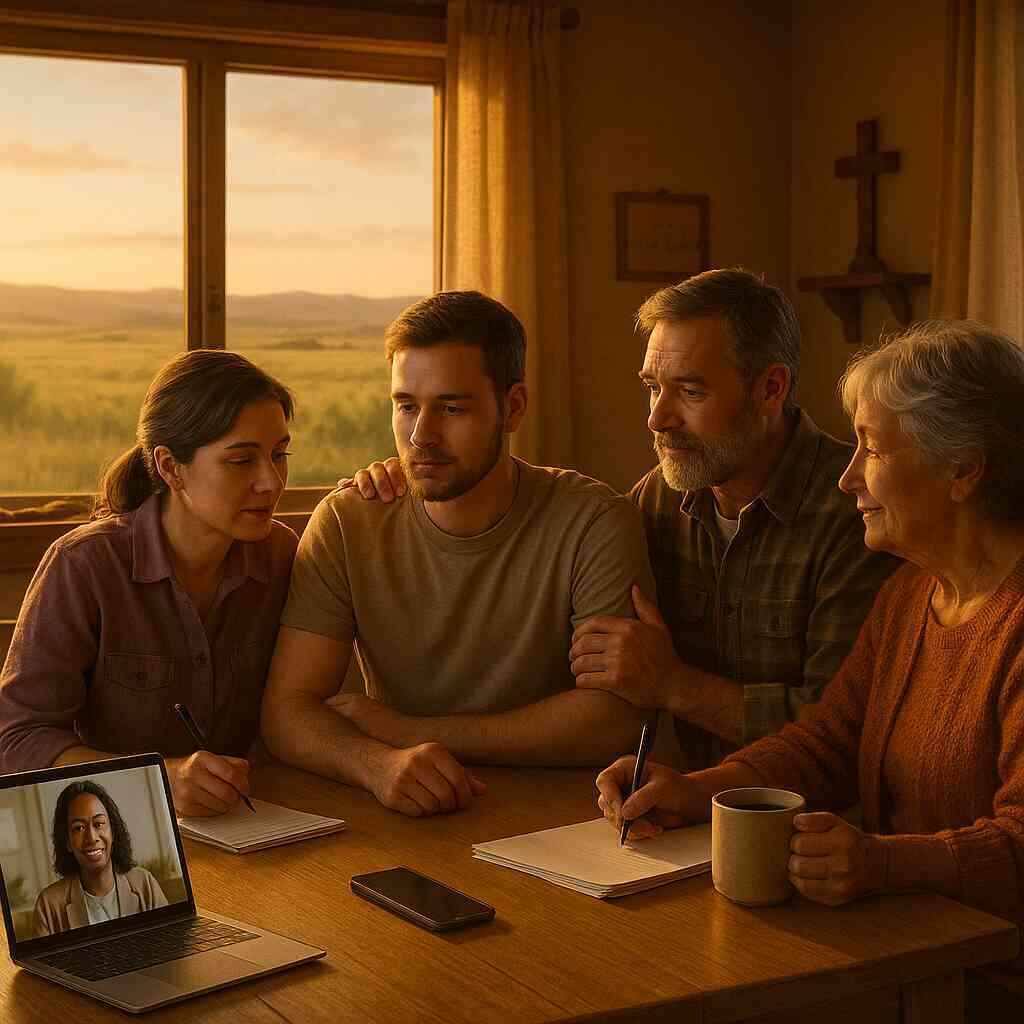
Prairie distances can stretch morale thin after formal treatment ends. Families in rural South Dakota therefore design intentional recovery scaffolding. Weekly check-ins by telephone or video maintain accountability when snowfall isolates townships. Community centers repurpose empty classrooms for evening peer circles. These gatherings let neighbors support neighbors without a three-hour drive. Volunteer coordinators schedule rotating carpools, ensuring everyone arrives even when gas prices spike.
Rural community recovery support groups that South Dakota residents trust frequently blend tradition and technology. Elders share stories while mentors review relapse prevention worksheets on tablets. Participants also bookmark the find NA meetings near the Dakota plains tool for quick backup when travel falters. The searchable map lets users locate barns, libraries, and church basements offering secure meetings within reasonable mileage. By merging digital convenience with face-to-face fellowship, households build long term resilience.
Local health boards collaborate with addiction treatment services near you to train recovery coaches in suicide prevention and overdose response. These certified volunteers distribute naloxone at farmers’ markets and high school games. They also forward hotline numbers to churches publishing weekly bulletins. When crises arise, families already know which voices will answer. Such proactive networking turns isolated ranch roads into connected lifelines.
Keeping Momentum with Evidence Based Behavioral Health Services
Finishing detox is merely a doorway, not a destination. Evidence based behavioral health services keep momentum by tracking measurable milestones. Intensive outpatient program alumni return monthly for urinalysis, counseling, and medication management reviews. Data dashboards flag subtle shifts in mood or attendance before relapse risk escalates. Because numbers replace guesswork, clinicians adjust plans quickly and families stay informed.
Addiction Treatment Services encourages clients to sync smartphone calendars with therapy portals, generating pop-up reminders two hours before groups. These nudges prevent no-shows caused by calving emergencies or basketball tournaments. When bandwidth falters, sessions switch automatically to audio-only, preserving therapeutic continuity. Secure messaging enables quick clarification about withdrawal symptoms or prescription refills without lengthy travel. Such flexibility anchors adherence in a state where the weather changes quickly.
Families also integrate relapse prevention checklists into everyday routines. Refrigerator magnets list grounding exercises, sponsor numbers, and early intervention steps if cravings spike. Evening meals become debrief circles where victories and challenges receive equal airtime. Over time, children witness consistent accountability and absorb healthier coping models. This household transparency strengthens intergenerational protection against substance misuse.
Transforming Family Systems through Ongoing Therapy and Education
Addiction rarely develops in a vacuum; therefore, transforming family systems becomes critical for lasting recovery. Weekly multi-family therapy sessions decode communication patterns that once enabled secrecy. Relatives practice assertive dialogue, replacing accusations with observations and clear boundaries. Licensed counselors introduce role-plays that simulate stressful harvest seasons or holiday gatherings, offering rehearsals before real pressures return. Gradually, the entire household shifts from crisis mode toward collaborative problem-solving.
Education deepens this transformation. The addiction treatment services directory hosts webinars explaining neurobiology, trauma links, and medication-assisted treatment options that South Dakota clinics provide. Parents learn to interpret withdrawal symptoms without panicking, using the signs of withdrawal symptom checker online as a reference. Siblings access animated videos demystifying brain chemistry, which reduces stigma during school discussions. Spouses download budgeting worksheets that allocate funds for counseling before elective spending. Continual learning keeps recovery conversations current and empowers every family member.
Faith leaders, guidance counselors, and county nurses often join these workshops, creating a wider safety net. When relocation occurs, the addiction treatment services in the state of arrival become easy to locate through the same platform. Seamless cross-state referrals prevent therapy gaps that could undermine progress. Alumni groups follow families on social media, offering encouragement when milestones approach. Consistent engagement turns reclaiming family futures from a slogan into a sustainable reality.
Frequently Asked Questions
Question: How can Addiction Treatment Services help my family quickly find reputable detox centers near Mount Rushmore State when a crisis hits?
Answer: The Addiction Treatment Services directory lets you filter South Dakota detoxification services by insurance type, substance-opioids, alcohol, or meth-and distance from your ZIP code. Real-time bed counts, accreditation badges, and verified reviews appear on one screen, so you know whether Rapid City hospital units, Sioux Falls outpatient addiction programs, or smaller facilities near the Black Hills have openings today. One-click calling connects you to admissions teams that can pre-authorize benefits, arrange transportation, and even schedule virtual medical evaluations before you leave home. By turning frantic Google searches into a curated list of licensed treatment facilities, Addiction Treatment Services becomes the fastest route to safe, evidence-based care when minutes matter.
Question: What makes the Family Guide to Addiction Treatment Services in South Dakota different from other online resources?
Answer: Most sites list addresses; our Family Guide to Addiction Treatment Services in South Dakota translates clinical jargon into plain talk, shows you how prairie geography affects access, and links every topic-detox, medication-assisted treatment options South Dakota offers, co-occurring PTSD care, and rural community recovery support groups-to live resources in the Addiction Treatment Services directory. You’ll also find step-by-step instructions on how to stage an intervention in South Dakota, recognize signs of opioid withdrawal in loved ones, and secure aftercare sober living homes. Because the guide was built with input from local clinicians, tribal leaders, veterans’ advocates, and faith-based rehab facilities, families can trust the information to be culturally relevant, medically accurate, and immediately actionable.
Question: Does Addiction Treatment Services provide guidance on Medicaid accepted addiction treatment in South Dakota, and how do I verify insurance before admission?
Answer: Yes. Each listing in the Addiction Treatment Services directory shows whether a provider accepts Medicaid, commercial insurance, or sliding-scale payments. Our insurance verification tool walks you through photographing your card, collecting subscriber data, and submitting an electronic benefits check-often returning approval within 48 hours. If a preferred program is out-of-network, specialists negotiate single-case agreements or locate state-funded detoxification services South Dakota sponsors. This end-to-end support removes financial guesswork so you can focus on your loved one’s recovery process.
Question: Can you explain how medication-assisted treatment options in South Dakota are integrated with family therapy and relapse prevention planning for adolescents?
Answer: Addiction Treatment Services partners with urban clinics in Sioux Falls, tribal health centers on the plains, and Rapid City residential drug treatment resources to coordinate buprenorphine or naltrexone prescriptions with counseling. Adolescents and young adults receive dual diagnosis services for teens in South Dakota that combine MAT, cognitive behavioral therapy, and family education workshops. Parents attend relapse prevention planning for adolescents sessions where they learn boundary-setting, warning-sign monitoring, and naloxone administration. This integrated approach stabilizes brain chemistry, heals family systems, and reduces long-term relapse risk.
Question: We live in a rural area; what 24/7 addiction helpline and telehealth substance abuse counseling solutions does Addiction Treatment Services offer South Dakota families?
Answer: The 24/7 addiction helpline gives isolated households immediate access to trained navigators who can conduct brief assessments, schedule next-day detox admissions, or enroll callers in telehealth intensive outpatient program options. Because broadband varies across prairie counties, the platform supports audio-only counseling that still meets HIPAA standards. Helpline staff can also coordinate transport vouchers, locate free AA meetings in the Sioux Empire, or connect you with NA meetings near me South Dakota plains list. This round-the-clock, tech-flexible support ensures no family is left without help, even when the nearest treatment facility is hours away.