



Embarking on the Recovery Journey
Understanding the Role of Intensive Outpatient Programs
Intensive outpatient programs (IOPs) play a crucial role in the continuum of addiction treatment services. They offer flexibility and support, allowing individuals struggling with substance use disorders to maintain daily responsibilities while engaging in comprehensive recovery plans. IOPs provide a structured framework that includes therapies and support without requiring residential stays, bridging the gap between full inpatient care and outpatient therapy. By offering personalized, evidence-based treatment, IOPs support individuals through the challenging phases of withdrawal and recovery, fostering both mental and physical health improvements.
The Importance of Personalized Treatment Plans
A one-size-fits-all approach rarely works in addiction recovery, which is why personalized treatment plans in Massachusetts and across the country have become a cornerstone of effective care. Each individual’s experience with substance use is unique, shaped by personal, social, and biological factors. Personalized treatment plans account for these differences, tailoring strategies to meet specific needs. This customization enables effective intervention by addressing the multifaceted nature of addiction recovery. By incorporating elements such as behavioral therapies, medication-assisted treatment, and holistic approaches, these plans improve the prospect of sustainable recovery while emphasizing personal growth and emotional health.
Navigating the Addiction Treatment Services Directory
The landscape of treatment options can be overwhelming, but the Addiction Treatment Services directory guide for new patients simplifies this process considerably. By providing a comprehensive list of treatment facilities near you, the directory serves as an invaluable tool for patients and families alike. It offers detailed insights into available services, helping individuals find resources aligned with their recovery goals. The directory is not just a list – it is a guide to informed decisions, encouraging proactive steps in the recovery process by outlining essential services from detoxification to outpatient care.
Decoding Intensive Outpatient Programs
Components of Comprehensive Addiction Care
Comprehensive addiction care involves a wide range of components that address both the physical and psychological aspects of substance use disorders. Key elements include detoxification services, behavioral therapies, and medication-assisted treatment, all explored further in resources covering the most effective addiction treatments available in 2026. These components work together to tackle the complex nature of addiction. By integrating diverse treatment modalities, individuals receive well-rounded care tailored to promote lasting recovery. Such comprehensive approaches focus not only on symptom relief but also address root causes and co-occurring mental health issues, fostering holistic recovery.
Flexible Treatment Schedules for Modern Lifestyles
Modern lifestyles require flexibility, and how addiction treatment centers are evolving outpatient care in 2026 reflects exactly that shift. IOPs are designed with flexible scheduling that allows participants to continue fulfilling personal and professional obligations while receiving necessary care. This adaptability increases accessibility and significantly reduces barriers for those who might otherwise forego treatment. By offering evening or weekend sessions, IOPs engage participants on their own terms, supporting consistent attendance and increasing the chances of sustained recovery.
Behavioral Therapy and Mental Health Integration
Integrating behavioral therapy with mental health support is essential for treating addiction effectively. This combined approach, detailed in resources on how addiction treatment services handle substance misuse in 2026, addresses the underlying mental health issues that frequently accompany substance use disorders. Behavioral therapies such as cognitive-behavioral therapy (CBT) and dialectical behavior therapy (DBT) are used to modify negative thinking patterns and encourage healthier behaviors. This integration provides a holistic framework that targets addiction symptoms while promoting overall psychological well-being, reducing the risk of relapse and supporting long-term recovery.
Exploring Holistic Recovery Options
Incorporating Family Involvement in Recovery
Family involvement is a critical component of a successful recovery journey. The role of family involvement in recovery should not be underestimated, as it provides the emotional support necessary for sustained sobriety. Families often participate in therapy sessions and educational programs to better understand addiction and learn effective ways to support their loved one. This involvement helps strengthen familial bonds and fosters a supportive environment conducive to recovery. Encouraging open communication and understanding within the family unit helps individuals in recovery feel less isolated, giving them a network of support that can be pivotal during the most challenging times.
Substance Misuse Intervention and Relapse Prevention
Effective substance misuse intervention, paired with strategic relapse prevention strategies, strengthens recovery efforts considerably. Early intervention can identify substance misuse patterns before they escalate, enabling timely action. Followed by robust relapse prevention plans, individuals are equipped with tools to manage triggers and stressful situations. These strategies typically include stress management techniques, coping mechanisms, and ongoing support – all aimed at maintaining sobriety. By proactively addressing potential pitfalls, individuals gain a more stable foundation on which to build a resilient, sober lifestyle.
Community-Based Recovery Programs and Support Networks
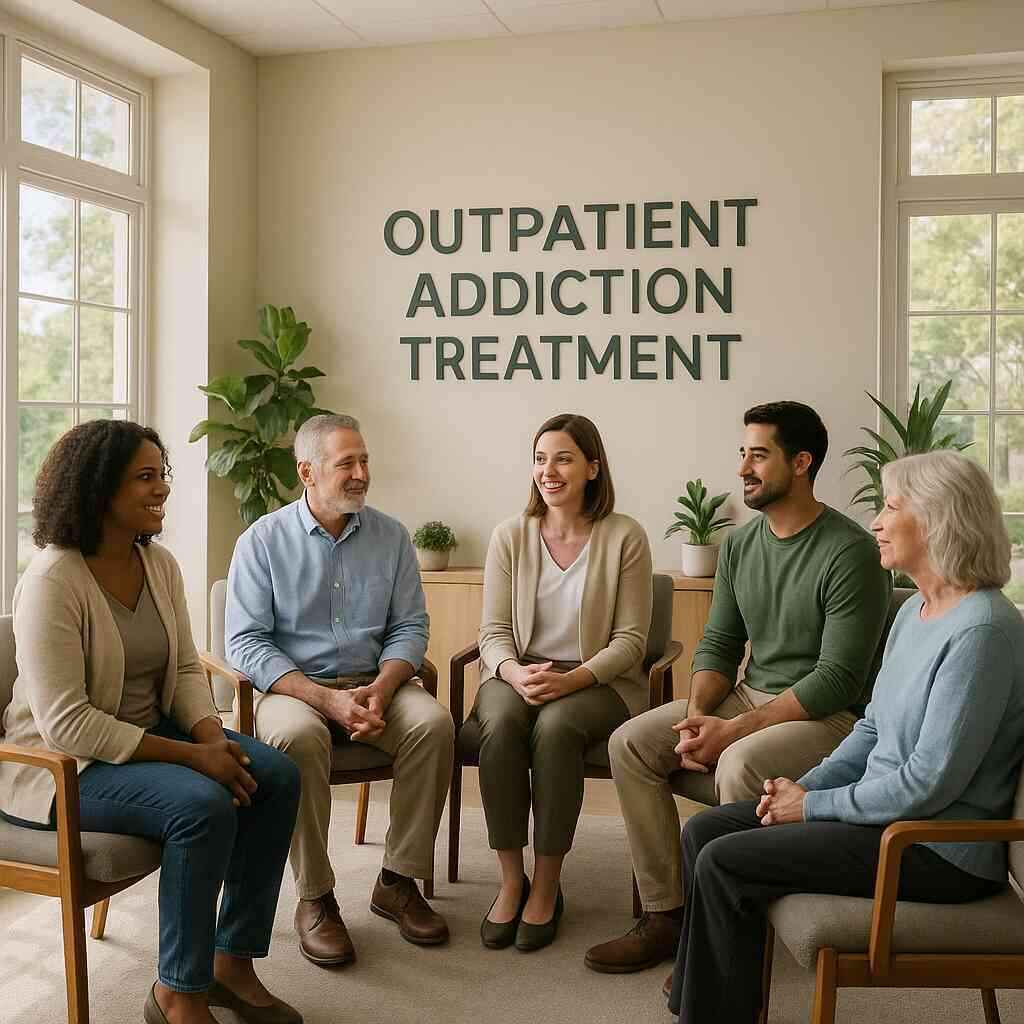
Community-based recovery programs are essential in establishing a sense of belonging and accountability. These community-based recovery programs connect individuals to support networks that provide ongoing encouragement and assistance. Involving individuals in local activities, support groups, and follow-up care can significantly strengthen recovery efforts. These programs facilitate shared experiences, reduce feelings of isolation and loneliness, and provide powerful examples of what sustained sobriety looks like. Community involvement not only supports staying sober but also contributes to personal growth and reintegration into society.
Navigating Recovery Resources Across the US
Finding Addiction Treatment Services Near You
Locating accessible treatment services can significantly influence recovery outcomes. The addiction treatment services directory simplifies this task by providing detailed information on local facilities. Understanding what services are available empowers individuals to make informed choices about their recovery paths. This accessibility helps people take control of their sobriety journey, connecting them with resources that match their personal needs and circumstances – whether that means an intensive outpatient addiction program or holistic recovery options.
State-Specific Support: A Closer Look at Regional Programs
Each state offers unique resources for its residents, which makes exploring state-specific support options well worth the effort. Understanding regional programs – such as outpatient addiction treatment in Florida or addiction recovery centers in Texas or Tennessee – can guide residents toward appropriate care. States offer various programs designed to address local community needs, incorporating cultural factors and available resources into personalized treatment. Taking advantage of these tailored resources ensures a more comprehensive recovery path aligned with regional best practices and community support.
Leveraging Recovery Support Services for Sustained Success
Long-term success in recovery often depends on the availability and consistent use of recovery support services. These services offer ongoing guidance, mentorship, and resources essential for maintaining sobriety. Programs may include post-treatment follow-ups, addiction support groups, and alumni networks that facilitate continued engagement and success in sobriety. By actively using these support systems, individuals can reinforce their recovery and build resilience against potential triggers and setbacks. Sustained engagement with recovery support services ensures that individuals are not merely overcoming addiction – they are thriving in their newfound sobriety.
Charting a Path to Long-Term Recovery
Emotional Health Support and Outpatient Therapy Sessions
Emotional health is a cornerstone of lasting recovery. IOPs typically encompass emotional health support to address the emotional and psychological dimensions of addiction. By providing targeted outpatient therapy sessions, individuals receive consistent support to process complex feelings, identify triggers, and tackle mental health challenges. These sessions offer a safe space for exploring emotions, discussing progress, and planning strategies to overcome obstacles. By integrating emotional health care with traditional addiction treatment, individuals are better equipped to achieve and maintain long-term sobriety.
Success Stories: Triumphs in Addiction Recovery
Recovery from addiction is filled with challenges, but also marked by significant victories. Addiction recovery success stories inspire others who are earlier in their journey. Sharing these experiences not only celebrates individual achievements but also provides hope and motivation for those just beginning. Success stories highlight the power of resilience, community, and comprehensive care in overcoming addiction. They stand as a testament to the possibility of reclaiming one’s life and achieving personal goals, encouraging others to pursue their recovery paths with determination and optimism.
Future Trends in Outpatient Addiction Treatment
The landscape of outpatient addiction treatment continues to evolve, embracing new technologies and methodologies to enhance care. Future trends will likely include increased integration of digital health tools, personalized medicine, and expanded community support structures. These advancements aim to provide more effective, accessible, and tailored treatment options that continuously adapt to the needs of individuals seeking recovery. By embracing innovation, treatment programs can deliver improved flexibility, comprehensive care, and sustained support – giving individuals the best possible chance of achieving long-term sobriety and wellness.
Frequently Asked Questions
Question: What are intensive outpatient programs and how can they aid in substance use recovery?
Answer: Intensive outpatient programs, often abbreviated as IOPs, are a vital component of addiction treatment services, offering a structured environment for individuals undergoing addiction recovery. These programs provide comprehensive addiction care that includes behavioral therapy options and personalized treatment plans without requiring patients to reside at a treatment facility. IOPs are designed to support individuals through flexible treatment schedules that accommodate their modern lifestyles. This flexibility allows participants to continue their daily commitments while receiving the care they need, ultimately fostering a balanced approach to recovery.
Question: How do personalized treatment plans within intensive outpatient programs support holistic recovery options?
Answer: Personalized treatment plans are central to effective intensive outpatient programs, addressing the unique needs of each individual. By tailoring approaches to incorporate medication-assisted recovery and mental health integration, these plans ensure that the multifaceted nature of addiction is comprehensively treated. Addiction Treatment Services emphasizes holistic recovery options that extend beyond traditional methods, integrating emotional health support and outpatient therapy sessions into the recovery journey. This approach not only supports substance use recovery but also enhances overall well-being, increasing the likelihood of sustainable recovery.
Question: What role do community-based recovery programs play in the success of outpatient addiction treatment as described in the Guide to Intensive Outpatient Programs Across the US in 2026?
Answer: Community-based recovery programs are crucial in reinforcing the success of outpatient addiction treatment by providing individuals with ongoing support and a sense of belonging. These programs are detailed in the Guide to Intensive Outpatient Programs Across the US in 2026, highlighting their importance in establishing accountability and shared experiences among participants. Engaging in community-based activities and support networks, as offered by addiction recovery centers, helps reduce isolation and build meaningful relationships. This involvement ensures continuity in recovery, making it an integral part of comprehensive addiction care and sustainable success.
Question: How can family involvement enhance the effectiveness of intensive outpatient programs?
Answer: Family involvement in recovery is a pivotal aspect of intensive outpatient programs, as it fosters a supportive environment necessary for effective substance misuse intervention. Addiction Treatment Services encourages family participation through educational programs and therapy sessions, which strengthen familial bonds and provide the emotional backing vital for sustained addiction recovery. By involving family members, individuals feel less isolated and more motivated to adhere to their personalized treatment plans, enhancing their chances of achieving lasting sobriety and overall wellness.