



Understanding Co-Occurring Disorders and Why They Require Specialized Care
The Intersection of Mental Health and Substance Use
Mental health and substance use disorders rarely exist in isolation. Co-occurring disorders arise when an individual experiences both a mental health disorder and a substance use disorder at the same time. The complex interplay between these conditions often compounds the challenges individuals face, making a nuanced treatment approach essential. Addressing mental illness and addiction together requires a thorough understanding of how these conditions influence one another. Treating both aspects simultaneously is critical to achieving effective and sustainable recovery.
The Prevalence of Dual Diagnosis in Modern Society
Dual diagnosis is increasingly common, reflecting broader societal pressures and challenges. As individuals face heightened stressors, rates of co-occurring disorders have risen significantly. This prevalence underscores the need for specialized services offering comprehensive addiction services. Understanding how widespread dual diagnosis has become helps clarify the critical demand for targeted interventions that address both mental health and substance use simultaneously.
Challenges in Identifying Co-Occurring Disorders
Identifying co-occurring disorders presents unique diagnostic challenges. The symptoms of mental health disorders often overlap with or are masked by those of addiction, complicating accurate diagnosis. Professionals must conduct thorough assessments to distinguish between symptoms of substance misuse and underlying psychiatric conditions. This highlights the importance of a mental health assessment for addiction as a critical first step. Misdiagnosis or underdiagnosis can prevent individuals from receiving appropriate treatment, reinforcing the need for specialized expertise in recognizing these intertwined conditions.
The Importance of Integrated Treatment Approaches
Integrated treatment approaches are essential for addressing co-occurring disorders effectively. These approaches treat both disorders concurrently, recognizing the relationship between mental health and substance use. Utilizing an integrated treatment approach in Mississippi, for example, ensures that care plans address all aspects of an individual’s health. By offering a strategy that includes behavioral health integration, individuals receive comprehensive care tailored to their unique needs. Such approaches consistently demonstrate greater success in long-term recovery and improved quality of life for those with dual diagnoses.
Comprehensive Addiction Services: A Holistic Approach
The Role of Personalized Recovery Plans
Personalized recovery plans are central to effective treatment. These customized plans account for an individual’s specific circumstances, challenges, and strengths, ensuring care is tailored to meet their unique needs. This model, widely implemented in dual diagnosis care in Georgia, enables more targeted interventions. The flexibility inherent in personalized plans encourages adaptive strategies that evolve alongside the individual, maximizing the potential for sustained recovery. Setting individualized goals and milestones helps keep the recovery process aligned with each patient’s needs and aspirations.
Behavioral Health Integration: Bridging the Gap
Behavioral health integration is a critical component in connecting mental health and addiction services. This approach facilitates clear communication between health professionals and ensures comprehensive treatment. By fostering collaboration, integration enhances the effectiveness of addiction and mental health counseling. Such coordination is vital for managing both mental health and addiction simultaneously, strengthening the chances of successful outcomes. As these two fields converge, individuals benefit from a holistic approach that respects and addresses the full complexity of their conditions.
Holistic Treatment for Dual Diagnosis: Beyond Traditional Methods
Holistic treatment for dual diagnosis extends beyond conventional therapeutic methods. This approach encompasses a range of strategies-including physical health support, mindfulness, and alternative therapies-designed to complement standard medical practices. Embracing holistic treatment for dual diagnosis gives individuals tools that address physical, emotional, and spiritual needs. Nutritional support, exercise, and mindfulness practices promote overall wellness and enhance recovery. By focusing on the whole person, holistic treatment paves the way for a more balanced and healthier lifestyle.
Addressing Mental Illness in Addiction Recovery
Untreated mental health issues can undermine recovery efforts and lead to relapse or continued substance use. Integrating mental health support in addiction treatment provides the dual focus needed to address these underlying issues. Evidence-based therapies actively target both addiction and mental health symptoms, building a more stable foundation for healing. Addressing mental health within addiction treatment frameworks creates a supportive recovery environment that is conducive to lasting progress.
Innovative Treatment Programs for Dual Diagnosis
Dual Diagnosis Intensive Outpatient Programs Explained
Dual diagnosis intensive outpatient programs (IOPs) offer flexible and comprehensive treatment options for those with co-occurring disorders. These programs provide structured support while allowing individuals to maintain aspects of their daily lives. IOPs involve intensive therapy sessions focused on both substance use and mental health, offering an adaptable approach suitable for a variety of needs. The structure of IOPs helps participants apply therapeutic techniques in real-world settings, reinforcing learning and adaptation. Effective dual diagnosis IOPs are pivotal in bridging the gap between inpatient and outpatient care, providing continuous support and reducing relapse risk. For a detailed breakdown of how these programs work, see this guide to intensive outpatient programs across the US.
Residential Treatment: Providing a Safe Environment for Recovery
Residential treatment centers offer a supportive, immersive environment that is vital for recovery from dual diagnosis. These residential treatment centers provide full-time, structured care away from the external stressors that may trigger relapse. The safe and nurturing setting supports individuals as they undergo intensive therapy addressing both mental health and substance use. This type of treatment allows for comprehensive monitoring and personalized care, creating ideal conditions for in-depth healing. With 24/7 support, residential treatment empowers individuals to focus entirely on their recovery.
The Role of Psychiatric Services in Addiction Treatment
Psychiatric services are integral to effective addiction treatment, providing essential support in managing co-occurring psychiatric disorders. The role of psychotherapy and psychiatric care is to deliver targeted mental health interventions that align with addiction therapy. Psychiatrists work closely with addiction specialists to tailor treatment plans, addressing both the psychiatric and addictive components of each individual’s condition. This collaboration ensures comprehensive care and enhances treatment effectiveness through well-rounded therapeutic strategies. Psychiatric involvement often includes medication management, which can be necessary for individuals managing severe psychiatric symptoms.
Mental Health Assessment for Addiction: A Critical First Step
A detailed mental health assessment for addiction is a critical starting point for developing an effective treatment plan. These assessments help distinguish between primary mental health disorders and symptoms induced by substance use, guiding appropriate therapeutic interventions. By identifying specific mental health needs, assessments ensure that treatment plans are both comprehensive and customized. Through thorough evaluations, practitioners gain a clearer understanding of each case’s complexities, optimizing treatment for improved outcomes. Learn more about how addiction treatment centers use evidence-based care to inform these assessments.
Building a Supportive Network: Recovery and Beyond
Co-Occurring Disorders Support Groups: A Community Approach
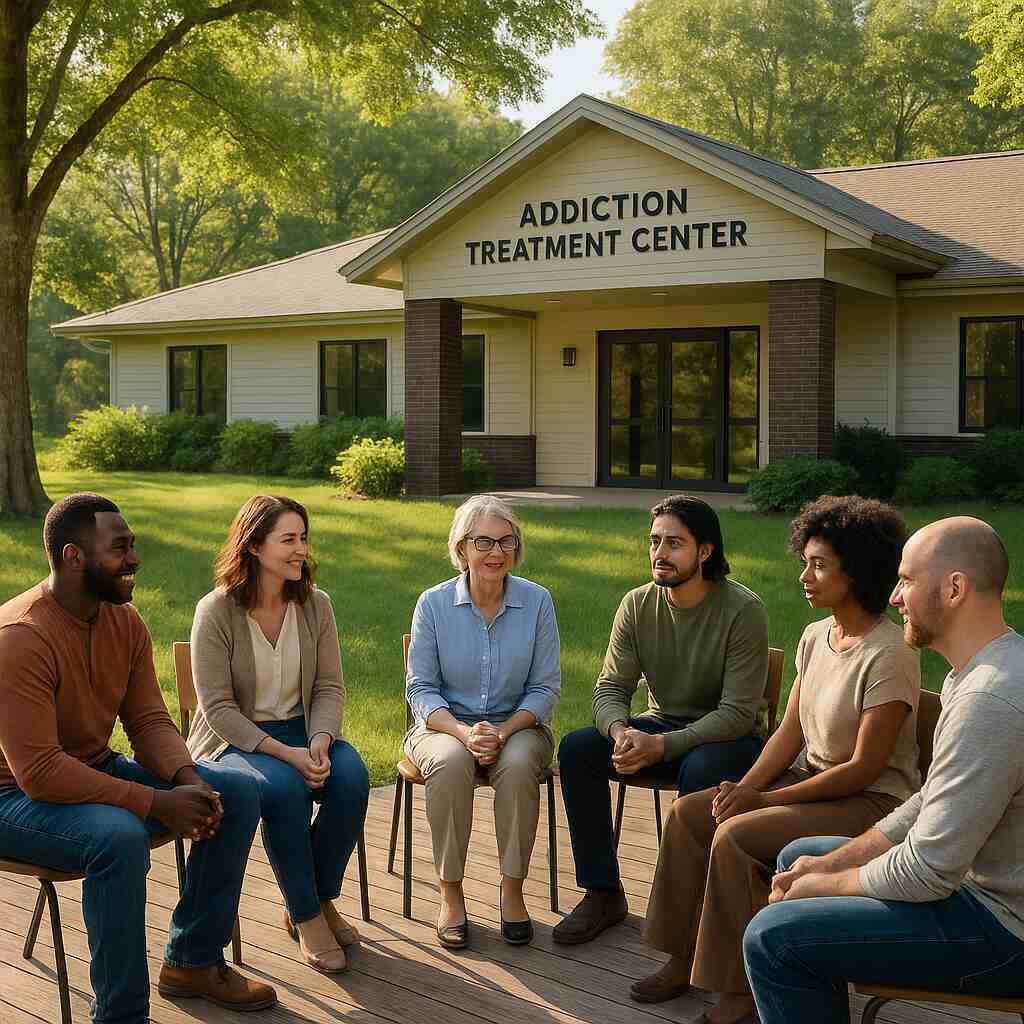
Support groups play a valuable role in recovery for those with co-occurring disorders. A community-based approach fosters connection and understanding among individuals facing similar challenges, promoting shared learning and growth. Co-occurring disorders support groups provide a space where individuals can discuss experiences and strategies, reducing feelings of isolation. These groups offer a forum for members to encourage one another, building resilience and sustaining motivation throughout the recovery process. Peer-led support complements professional treatment and strengthens long-term recovery efforts.
Family Involvement in the Recovery Process
Family involvement is crucial to a comprehensive recovery process for individuals with co-occurring disorders. Family members can play an instrumental role in creating a supportive home environment that fosters healing. Their involvement promotes understanding and open communication-both of which are key elements emphasized in mental health and addiction counseling. By participating in family therapy sessions, loved ones can learn about the challenges their family member faces, enhancing empathy and support. Family engagement in the recovery journey provides additional strength and motivation, contributing to more sustained recovery outcomes.
Relapse Prevention and Long-Term Recovery Strategies
Effective relapse prevention requires a comprehensive strategy that addresses both substance use and mental health challenges. Programs that provide relapse prevention tools-such as coping skills and stress management techniques-are essential for lasting progress. Tailored strategies support long-term recovery by helping individuals recognize and navigate their triggers. Developing a robust support network, including group therapy and ongoing counseling, remains pivotal in maintaining momentum. Empowering individuals with self-awareness and resilience significantly improves long-term success in recovery. For more on this topic, review these top relapse prevention strategies from addiction treatment professionals.
Mental Health and Addiction Counseling: A Lifeline for Many
Mental health and addiction counseling serves as a lifeline for many individuals struggling with co-occurring disorders. These counseling sessions provide a safe space to explore personal challenges and develop effective coping mechanisms. By working with skilled counselors, individuals gain insights into their condition and learn strategies to manage symptoms more effectively. Ongoing counseling supports recovery by addressing both the psychological and behavioral dimensions of addiction. This dual focus reinforces the coping skills necessary for navigating life’s difficulties and sustaining long-term recovery.
Finding Addiction Treatment Services Near You
The Role of Directories in Accessing Local Services
Directories play an essential role in accessing local addiction treatment services. They provide a centralized resource for locating and evaluating treatment options suited to various needs. Using an addiction treatment directory can simplify the search process considerably, making it easier for individuals to find appropriate care. These directories often include detailed information on available services, helping users make informed decisions about their recovery journey. As access to accurate information improves, individuals can more confidently pursue treatment that aligns with their needs.
Evaluating Treatment Facilities: What to Look For
Evaluating treatment facilities is a crucial step in ensuring effective care. Key factors to consider include the types of services offered, staff qualifications, and the facility’s approach to co-occurring disorders. A facility’s ability to provide an integrated treatment approach is vital for addressing both mental health and substance use disorders comprehensively. Prospective patients should also review the facility’s outcomes data and available amenities, ensuring that the environment supports their recovery goals. An informed evaluation can significantly influence treatment outcomes by matching individuals with facilities that align with their specific needs and preferences.
The Future of Addiction Treatment: Trends and Innovations
The future of addiction treatment holds promising trends and innovations. As technology advances, telehealth and digital platforms are expanding access to care, making treatment more flexible and accessible. Personalized medicine approaches-using genetic and biological markers-offer the potential for more precisely tailored interventions. Holistic treatments are also gaining traction, emphasizing complete wellness rather than symptom management alone. These developments ensure that addiction treatment remains dynamic and responsive to evolving needs, enhancing the potential for recovery across diverse populations.
How to Begin Your Recovery Journey
Taking the first step toward recovery is often the hardest, yet it is the most important. Understanding your treatment options and connecting with comprehensive addiction services can greatly strengthen the journey ahead. Mental health and addiction recovery in Florida demonstrates that starting with the right support system can lay the foundation for lasting recovery. Whether reaching out for a professional assessment or joining a support group, taking that initial step is significant. This action sets the course for addressing both addiction and mental health concerns, opening a path to healing and growth.
Frequently Asked Questions
Question: How does Addiction Treatment Services approach the treatment of co-occurring disorders?
Answer: Addiction Treatment Services understands that treating co-occurring disorders, where mental health issues and substance use disorders intersect, requires a comprehensive and integrated approach. We focus on dual diagnosis care, meaning that we treat both the mental health condition and substance misuse simultaneously. Our integrated treatment approach ensures that individuals receive holistic care tailored to their unique needs, greatly increasing their chances for a successful recovery. By addressing both disorders concurrently, we can provide a stable foundation for healing and long-term recovery.
Question: Why is a mental health assessment critical when addressing co-occurring disorders?
Answer: Conducting a detailed mental health assessment for addiction is a crucial first step in the treatment process for co-occurring disorders. These assessments help differentiate between primary mental health disorders and those symptoms induced by substance use, which guides appropriate therapeutic interventions. At Addiction Treatment Services, we prioritize these assessments to create comprehensive and customized treatment plans, ensuring that we address all facets of an individual’s health. Through thorough evaluations, we optimize treatment strategies for improved outcomes and sustainable recovery.
Question: What role do personalized recovery plans play in treating co-occurring disorders at Addiction Treatment Services?
Answer: Personalized recovery plans are central to the effective treatment of co-occurring disorders. At Addiction Treatment Services, we believe each individual’s recovery journey is unique, so our personalized plans account for specific circumstances, challenges, and strengths. This customization ensures targeted interventions, allowing strategies to evolve with the individual. Such plans have been successfully implemented in dual diagnosis care across various regions, including Georgia, providing the flexibility and adaptability that are crucial for sustained recovery. By setting individualized goals and milestones, we help align the recovery process with each patient’s personal needs and aspirations.
Question: How does the blog titled ‘How Addiction Treatment Services Near You Address Co-Occurring Disorders’ reflect what you offer?
Answer: The blog ‘How Addiction Treatment Services Near You Address Co-Occurring Disorders’ highlights our commitment to comprehensive addiction services tailored for individuals with dual diagnoses. It showcases our focus on integrated treatment approaches, the importance of mental health assessments, and the use of innovative treatment programs like dual diagnosis intensive outpatient programs. Our approach, as detailed in the blog, underscores the importance of treating mental health and addiction in tandem, providing holistic and effective care that addresses both the psychological and physical aspects of recovery.
Question: Can family members be involved in the recovery process for individuals with co-occurring disorders?
Answer: Yes, family involvement is an integral part of the recovery process at Addiction Treatment Services. Family members can play a crucial role in forming a supportive home environment that is conducive to healing. Through participation in family therapy sessions, they can gain insight into the challenges faced by their loved ones and learn effective ways to provide support. This involvement enhances communication and empathy, contributing to a more supportive recovery journey. By engaging families, we strengthen the support network essential for long-term recovery success.